Vijayawada- Rural women entrepreneurs from across India are getting a wider platform to showcase their products, connect with buyers and expand their businesses through the National SARAS Mela 2026, being held at Punnami Ghat in Vijayawada, Andhra Pradesh, from October 13 to 31.
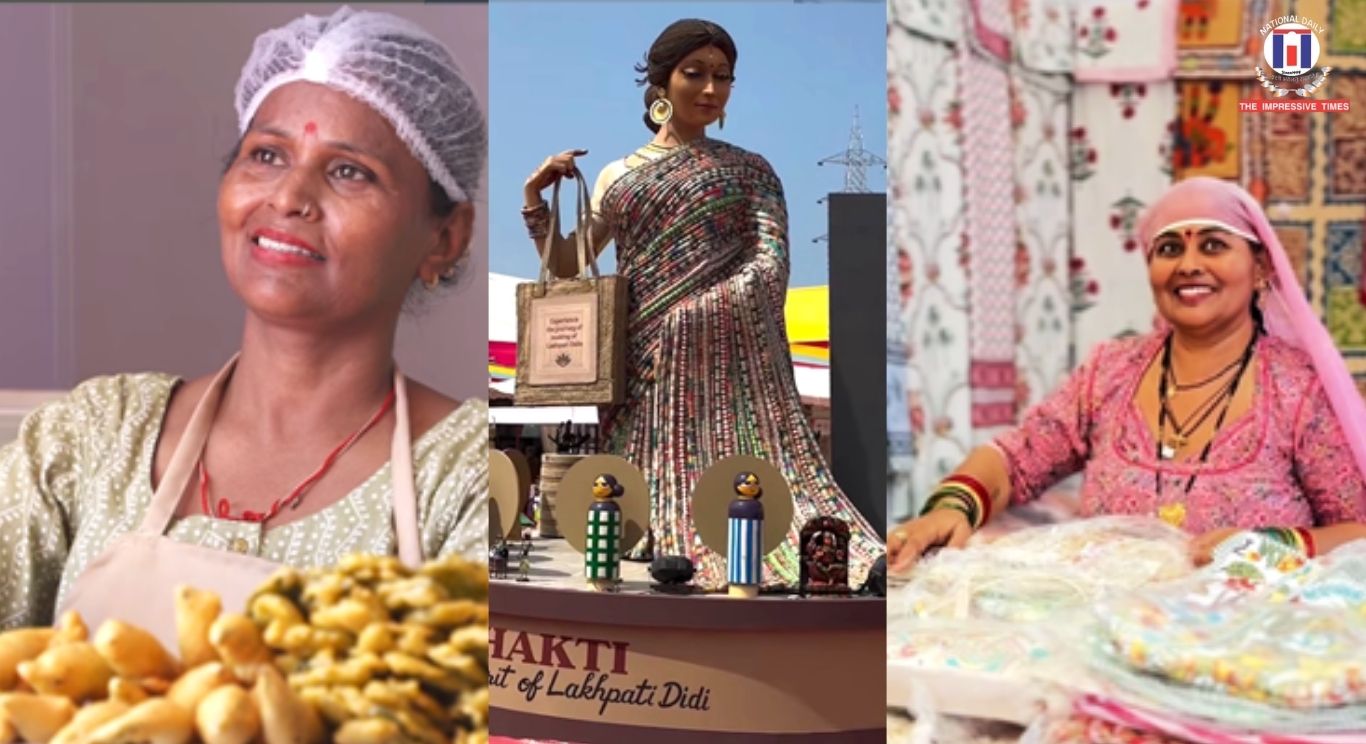
Organised under the Deendayal Antyodaya Yojana–National Rural Livelihoods Mission (DAY-NRLM), the event marks the first National SARAS Mela to be organised outside the Delhi-NCR region. Around 1,500 women entrepreneurs associated with Self-Help Groups (SHGs), including Lakhpati Didis, are participating through more than 650 stalls representing 34 states and Union Territories.
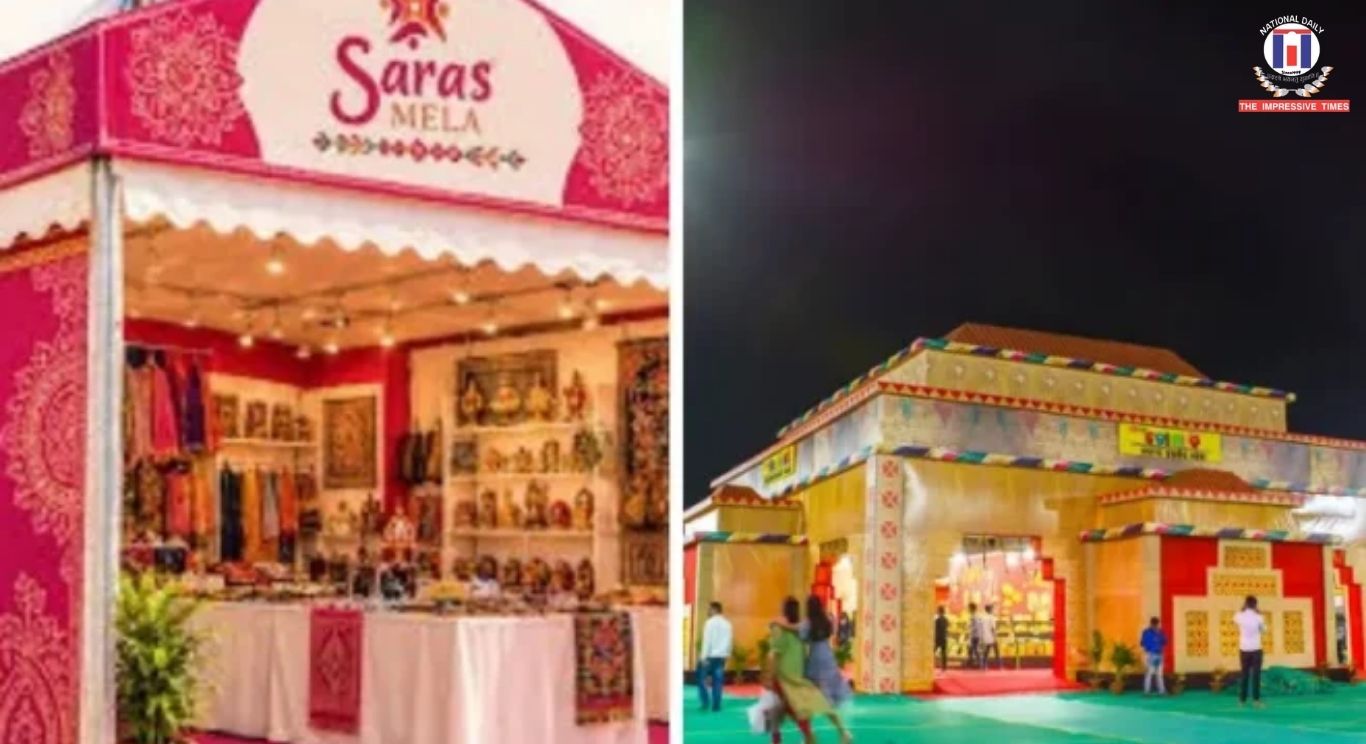
The exhibition features a diverse range of rural products, including handloom textiles, handicrafts, traditional paintings, processed foods, natural products and regional specialities. An India Food Court, cultural performances and dedicated learning spaces have also been set up to provide visitors with a broader experience of India’s rural enterprise ecosystem.
The SARAS Mela initiative aims to help women-led businesses move beyond local markets by providing direct access to consumers, institutional buyers and potential business partners. Beyond sales, the platform enables entrepreneurs to understand customer preferences, improve product presentation and explore opportunities for long-term market expansion.
DAY-NRLM Supports Women-Led Enterprises
DAY-NRLM is a flagship government programme focused on reducing rural poverty by strengthening community institutions, promoting financial inclusion and creating sustainable livelihood opportunities for rural households.
Through SHGs and their federations, the mission supports women in developing enterprises and accessing skills, finance, technology and markets. SARAS Melas complement these efforts by providing opportunities to showcase products, build business relationships and explore new sales channels.
The initiative also supports the government’s Lakhpati Didi vision, which seeks to help women associated with SHGs achieve sustainable annual household incomes of at least ₹1 lakh. The programme emphasises diversified livelihoods, improved business capabilities and more reliable market connections.
Dedicated Pavilions Promote Business Learning
The Vijayawada event includes specialised pavilions designed to help entrepreneurs strengthen their business knowledge and access institutional support.
The Lakhpati Didi Pavilion showcases successful women entrepreneurs, including those reporting annual earnings exceeding ₹10 lakh and, in some cases, ₹1 crore. Their experiences provide opportunities for other SHG members to learn about business models, product development and market expansion.
The Learning and Knowledge Pavilion hosts workshops, expert sessions and discussions on packaging, branding, e-commerce, social media marketing and business planning. The initiative also encourages interaction with industry bodies, companies and development institutions.
Meanwhile, the Convergence Pavilion connects entrepreneurs with government departments, financial institutions and organisations that can provide information on credit, technical assistance, skills development and relevant support schemes.
A Demonstration Pavilion allows artisans and women entrepreneurs to present traditional production techniques, including pottery, needlework and mirror-work embroidery. These activities highlight the craftsmanship behind rural products while creating opportunities for practical learning and knowledge exchange.
India Food Court Showcases Regional Cuisine
Food-based enterprises are another major attraction at the event. The India Food Court features 50 food stalls showcasing regional cuisines and traditional preparations from across the country.
More than 200 first-generation women food-service entrepreneurs from over 28 states and Union Territories are participating. Visitors can sample dishes ranging from Bihar’s Litti Chokha and Hyderabadi Dum Biryani to Mushroom Pitha from Assam and Makke Di Roti with Saag from Punjab.
The food court provides a national platform for women entrepreneurs to promote regional culinary traditions while exploring opportunities in the food-service sector.
Cultural showcases featuring traditional music, dance, crafts and textiles further highlight India’s regional diversity and the heritage associated with many of the products on display.
Digital Platforms Extend Market Reach
Recognising that business opportunities should continue beyond physical exhibitions, the SARAS ecosystem also uses digital platforms to connect rural producers with customers.
The eSARAS platform allows consumers to discover and purchase products made by SHG entrepreneurs online, potentially extending their reach beyond local markets and event venues. A dedicated SARAS Mela digital application, introduced in 2025, supports event-related activities, including SHG nominations, attendance management and information sharing.
Digital payments, including UPI, also facilitate transactions during the event, while alternative payment arrangements help accommodate visitors who prefer cash-based options.
From Traditional Skills to Sustainable Livelihoods
The SARAS initiative began in 1999, when the first National SARAS Mela was organised in Delhi with around 65 beneficiaries. According to the government, the platform has since expanded to national, regional, state and district levels, recording 117 National SARAS Melas and annual sales exceeding ₹200 crore.
The Vijayawada edition represents a further effort to decentralise national market platforms and bring rural products closer to consumers across different regions.
By combining direct sales, business training, institutional linkages and digital access, SARAS Melas seek to help women entrepreneurs strengthen their enterprises and develop more sustainable sources of income.
The initiative also advances the broader objectives of Vocal for Local and Atmanirbhar Bharat by promoting indigenous products, preserving traditional skills and supporting women-led economic activity.
The Vijayawada event highlights the importance of connecting rural producers with wider markets, helping women transform their skills into viable businesses and creating opportunities for long-term livelihood growth.











No Comments: