New Delhi: The human eye is one of the body’s most complex sensory organs, and maintaining its health requires specialised medical knowledge, diagnostic skills and, in many cases, surgical expertise. For students interested in medicine and vision care, ophthalmology offers a career path that combines scientific research, patient treatment and rapidly developing medical technologies.
Ophthalmology is the branch of medicine concerned with the diagnosis, treatment and prevention of diseases affecting the eyes and visual system. Specialists work with conditions ranging from refractive errors and cataracts to glaucoma, retinal disorders and diseases affecting the optic nerve.
With opportunities in hospitals, specialised eye centres, academic institutions and research organisations, the field offers several pathways for doctors seeking to develop expertise in a particular area of eye care.
Understanding the Difference Between Ophthalmologists, Optometrists and Opticians
Although their work is connected, these three eye-care professions have different qualifications and responsibilities.
An ophthalmologist is a medically qualified doctor who specialises in eye health. Ophthalmologists diagnose eye diseases, prescribe treatment, manage complex conditions and perform eye surgery when required.
An optometrist examines vision, identifies certain eye abnormalities, assesses refractive errors and prescribes corrective lenses within the scope of their qualifications and applicable regulations. Optometrists may also participate in vision rehabilitation and the monitoring of selected eye conditions.
An optician prepares, fits and adjusts spectacles and other optical devices according to prescriptions. Opticians generally do not diagnose or medically treat eye diseases.
Understanding these distinctions is important for students choosing between medical education, optometry and optical technology as career options.
Educational Pathway: From Medical School to Specialisation
Students aspiring to become ophthalmologists in India must first qualify for undergraduate medical education. The usual route involves completing Class 12 with Physics, Chemistry and Biology, meeting the applicable eligibility requirements and securing admission to an MBBS programme through NEET-UG.
After obtaining the MBBS degree and completing the required internship, candidates can pursue postgraduate specialisation in ophthalmology. Depending on the programme and current admission regulations, options include an MS or an MD in Ophthalmology, or a Diplomate of National Board (DNB) programme.
Admission to postgraduate medical courses generally involves NEET-PG or another applicable admission route under the prevailing regulations. Candidates should verify current eligibility, entrance examinations and counselling procedures before applying.
Further training is available through recognised fellowships and advanced programmes in areas such as cornea, retina, glaucoma, paediatric ophthalmology and oculoplastic surgery. Doctors interested in academic medicine or scientific investigation may also explore research-oriented opportunities.
The duration and eligibility requirements vary according to the qualification and institution. Students should consult official medical education and regulatory sources rather than relying solely on general course lists.
What Does an Ophthalmologist Do?
The responsibilities of an ophthalmologist extend well beyond routine eye examinations. Depending on their specialisation and workplace, their duties may include:
- Examining patients and diagnosing eye diseases or injuries.
- Prescribing medicines and developing treatment plans.
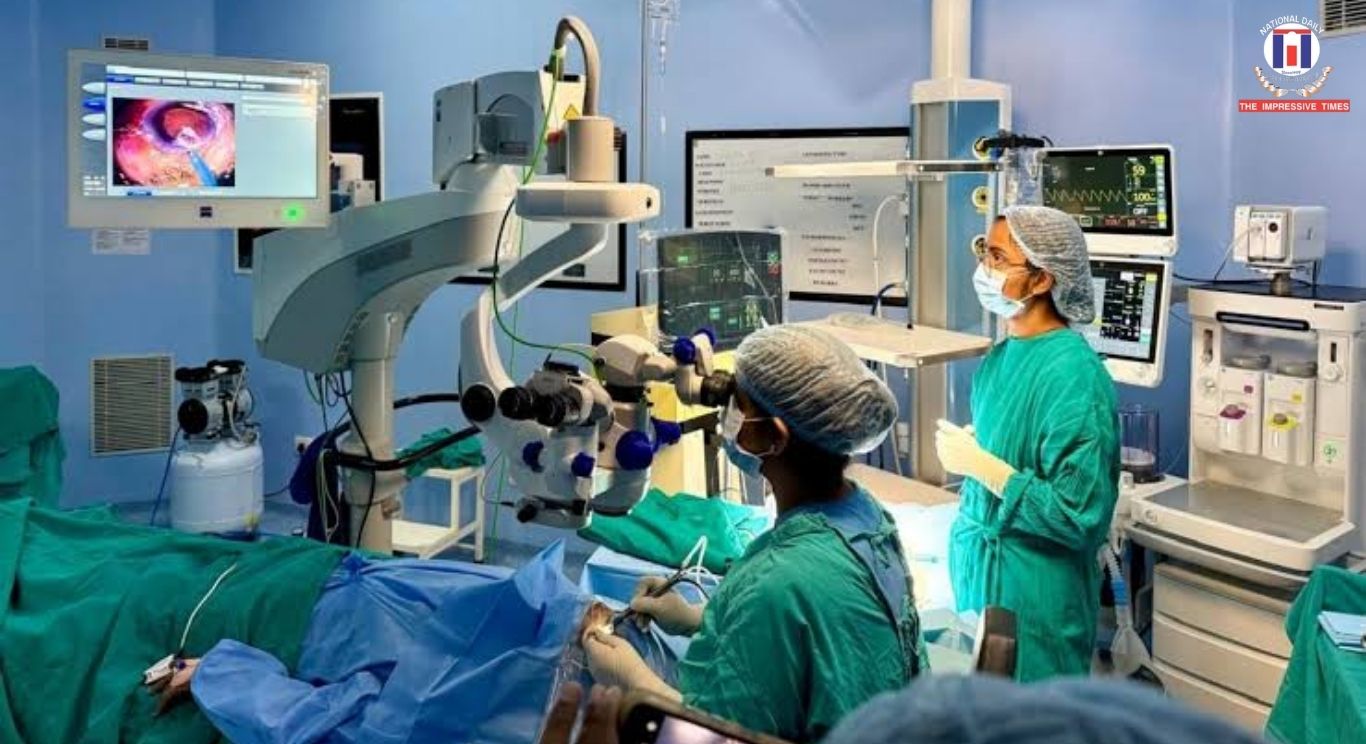
- Performing procedures such as cataract surgery and other indicated surgical interventions.
- Monitoring chronic conditions, including glaucoma and retinal diseases.
- Managing eye emergencies and referring patients for appropriate specialist care.
- Advising patients on preventive eye care and follow-up treatment.
- Participating in clinical research, medical education and the development of new treatment methods.
Ophthalmologists also need to recognise when an eye problem may be associated with a broader medical condition, such as diabetes or neurological disease, and coordinate treatment with other healthcare professionals.
Exploring the Major Specialisations
As medical technology advances, ophthalmology has developed several specialised branches, allowing doctors to focus on particular structures of the eye or specific patient needs.
Cataract surgery: Cataract specialists treat clouding of the eye’s natural lens, often through surgery that replaces the affected lens with an artificial intraocular lens.
Cornea and external eye care: These specialists manage diseases and injuries involving the cornea and other external structures of the eye. Their work may include treating infections, repairing injuries and performing corneal transplantation.
Retina and vitreous: Retina specialists treat disorders affecting the light-sensitive tissue at the back of the eye. Their work includes managing retinal detachment, diabetic retinopathy and other potentially sight-threatening conditions.
Glaucoma: Specialists in this area diagnose and manage diseases that damage the optic nerve, often in association with raised eye pressure. Long-term monitoring is an important part of care.
Paediatric ophthalmology: These doctors treat eye conditions in children, including squint, amblyopia and certain congenital or developmental abnormalities.
Neuro-ophthalmology: This field focuses on visual problems associated with the nervous system, including optic nerve disorders, certain forms of double vision and abnormalities of eye movement.
Oculoplastic and orbital surgery: Specialists treat conditions affecting the eyelids, eye socket and tear drainage system, including injuries, structural abnormalities and selected reconstructive problems.
Other areas include uveitis and ocular inflammation, refractive surgery, ocular immunology and ocular oncology. The availability of advanced fellowships varies across institutions.
Skills That Support a Successful Career
Academic qualifications provide the foundation, but a successful ophthalmologist also needs practical and interpersonal abilities.
A strong understanding of anatomy, physiology, pathology and pharmacology is essential. Doctors must develop sound diagnostic reasoning and the ability to interpret clinical findings accurately.
Surgical specialisations require exceptional precision, steady hand movements, good hand-eye coordination and extensive supervised practice. Attention to detail is particularly important because even small changes in eye structures can affect vision.
Communication is equally valuable. Patients may be anxious about losing their sight or undergoing surgery, so doctors must explain diagnoses, treatment options, risks and follow-up requirements in understandable language.
Organisation, ethical judgement, teamwork and a commitment to continuing medical education are also necessary as diagnostic methods and treatment technologies continue to evolve.
Where Can Ophthalmologists Work?
Qualified ophthalmologists can build careers in a variety of settings, including government hospitals, private hospitals, specialised eye-care institutions, charitable medical organisations and independent clinics.
Academic medicine offers opportunities to teach medical students and train future specialists. Research institutions and clinical research programmes provide avenues for professionals interested in investigating eye diseases and evaluating new treatments.
Experienced doctors may also pursue hospital administration, public health programmes, community eye-care initiatives or specialist clinical leadership roles.
Career progression depends on qualifications, clinical competence, experience, location and the nature of the employer. Income varies considerably across these settings, so students should assess career prospects in the context of their training and long-term goals.
Technology Is Reshaping Eye Care
Advances in diagnostic imaging, laser-based procedures, microsurgery and intraocular lens technology have expanded the range of treatments available for many eye conditions. Digital imaging and teleophthalmology can also help healthcare teams assess patients and extend access to selected eye-care services.
At the same time, prolonged screen use has increased public attention to visual discomfort and digital eye strain. These concerns require appropriate assessment and practical advice rather than assumptions that every screen-related symptom represents permanent eye damage.
An ageing population, the need to manage chronic diseases and continuing efforts to improve access to eye care make ophthalmology an important area of healthcare. However, actual workforce demand varies by region, specialisation and healthcare infrastructure.
A Career Built Around Protecting Vision
Ophthalmology combines scientific knowledge, technology and direct responsibility for patients’ visual health. It can be rewarding for students who are prepared for the demanding journey of medical education and the continuing training required for specialist practice.
For those considering this profession, the first steps are to understand the MBBS admission pathway, research recognised postgraduate programmes and develop a realistic picture of the responsibilities involved in clinical practice.
Beyond technical expertise, the profession calls for patience, precision and empathy. Helping patients preserve or regain vision is not simply a medical task; it can have a lasting effect on their independence, education, work and quality of life.

















































No Comments: