Amit Shah Launches Assistive Device Distribution Initiative for Divyangjans Affected by Naxal Violence in Bastar
Under the Seva Sankalp Abhiyan marking 25 years of Prime Minister Narendra Modi’s public service, the initiative has benefited over 3,600 persons with disabilities in Chhattisgarh, including more than 1,570 beneficiaries from Bastar.
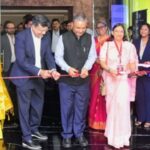
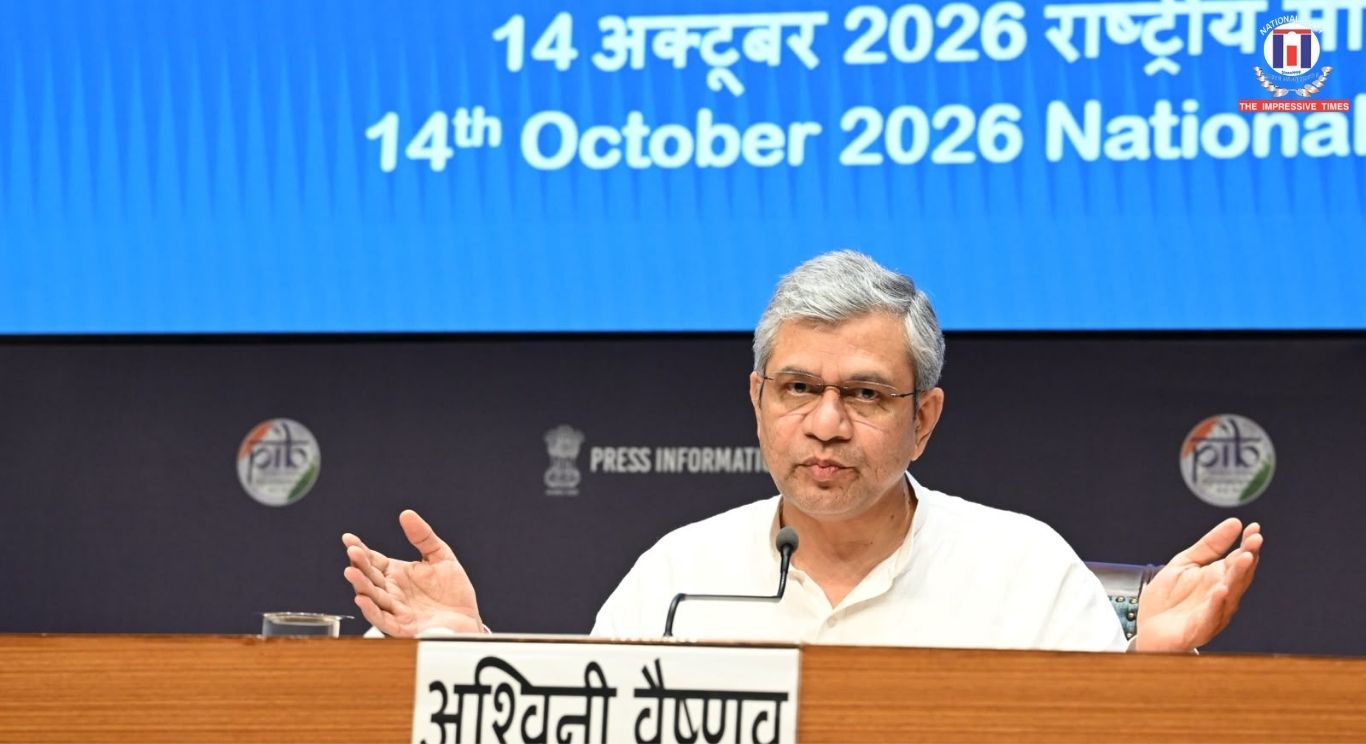
New Delhi : Union Home Minister and Minister of Cooperation Amit Shah on Thursday addressed a ceremony through video conferencing for the distribution of assistive devices to persons with disabilities, including victims of Naxal violence, under the ongoing Seva Sankalp Abhiyan.
The campaign marks 25 years of Prime Minister Narendra Modi’s public service, spanning his tenure as Chief Minister and his subsequent tenure as Prime Minister. The initiative aims to support rehabilitation and improve the quality of life of persons with disabilities, particularly tribal communities affected by Naxal violence in Chhattisgarh.
Assistive Devices to Support Rehabilitation
Shah said the second phase of the Divyang Seva Camp was being launched as part of the campaign. The programme was organised in Jagdalpur from October 5 to 7, 2026, benefiting more than 3,600 persons with disabilities, including over 1,570 beneficiaries from Bastar.
He highlighted the suffering experienced by tribal communities in the region over decades of Naxal violence, stating that attacks involving improvised explosive devices (IEDs) had left innocent civilians with disabilities.
According to Shah, eliminating Naxalism must be followed by efforts to address its human consequences, rehabilitate victims and ensure that affected people can live with dignity and respect.
The assistive devices being distributed include wheelchairs, tricycles, crutches, hearing aids, smart walking sticks and artificial limbs.
The initiative involves the Chhattisgarh government, district administration, State Social Welfare Department, Bhagwan Mahaveer Viklang Sahayata Samiti of Jaipur, Bharatiya Jain Sanghatana and other organisations.
Government Highlights Rehabilitation and Development Measures
Shah said the Central Government was committed to providing rehabilitation opportunities to persons with disabilities and victims of Naxal violence, adding that it would work alongside the Chhattisgarh government to support these efforts.
He also stressed the need to eliminate the remaining effects of Naxalism and transform Bastar into a region where people can access essential services, livelihoods and development opportunities.
Highlighting rehabilitation measures for former Naxalites, Shah shared figures on surrender and reintegration. According to the figures presented, approximately 8,526 Naxalites have surrendered. Of these, 7,328 have received bank accounts, 1,620 have received reward money, 7,882 have received incentives, 455 have been provided jobs and 129 have been allotted land.
Additionally, 4,014 beneficiaries have received houses under the Pradhan Mantri Awas Yojana, while more than 2,308 tribal people have undergone skill development training. The measures also include 6,763 new ration cards, free electricity for 2,808 families, and Aadhaar cards for 48,526 people.
Shah further stated that work had begun on 372 new road projects and construction was underway on 670 small bridges. Forty-four Gram Panchayats have also been recognised under the Ilwad Panchayat Awards.
Bastar Olympics and Cultural Initiatives Aim to Revive the Region
The Home Minister highlighted several initiatives undertaken by the Chhattisgarh government to encourage development and cultural revival in Bastar, including the Bastar Olympics, Bastar Pandum, the Niyad Nellanar scheme and the Chief Minister’s Samuhik Bus Yojana.
He said the Bastar Olympics had provided young people with opportunities to participate in sports, while Bastar Pandum was helping revive and preserve the region’s tribal art and cultural traditions.
The Niyad Nellanar scheme, he added, was supporting the expansion of basic infrastructure and essential services in areas that had faced prolonged difficulties in accessing public facilities.
Shah said these initiatives were intended to support a transition towards greater public participation, improved connectivity and renewed cultural activity in the region.
Over 200 Security Camps to Become Public Service Centres
Shah announced that more than 200 of the over 500 established security camps would be converted into Shaheed Veer Gundadhur Seva Dera centres.
He said these centres would serve as locations where officials from the Central and Chhattisgarh governments could work directly with communities, coordinate development activities and expand access to public services.
The initiative aims to repurpose infrastructure previously used for security operations into centres supporting governance and development.
Concluding his address, Shah emphasised that rehabilitation, improved infrastructure, cultural preservation and access to essential services would be important elements of efforts to support Bastar’s long-term development.








![UEFA Champions League: 10-men United fall 2-0 to Atleti; Viking hold Bayern to 3-3 draw ANI | Updated: Oct 14, 2026 09:08 IST Madrid [Spain], October 14 (ANI): Manchester United’s 2026/27 season is turning out to be a disaster after the club showed promise following Michael Carrick taking the helm of the club in January, as it faced another loss on Tuesday (local time). In its first away fixture for this season’s UEFA Champions League at the Estadio Metropolitano stadium, the Red Devils were handed a 2-0 defeat by Atletico Madrid, causing the club more misery as it also struggles domestically. Pablo Barrios scored inside the opening minute for Atletico before substitute Ademola Lookman sealed the victory late in the second half. Barrios capitalised on an early lapse in Manchester United’s defence to put Atletico ahead within the first 60 seconds of the match. Despite the initial shock of conceding so early, United pushed for an equaliser, with Bryan Mbeumo leading the attack on most occasions without any significant result. The hosts controlled much of the first half with their high-intensity pressing and possession. Alejandro Grimaldo came close to extending the lead with a free kick that struck the woodwork. Manchester United looked to respond after the break but struggled to create any clear chances against Atletico’s defence. Bruno Fernandes came close to equalising in the 70th minute, rattling the crossbar with an effort from distance. ‹› United’s task became more difficult in the 74th minute when defender Leny Yoro received a red card over a reckless challenge on Jonathan David. Atletico made their numerical advantage count five minutes later. Lookman, who had come on as a substitute, reacted quickest after goalkeeper Senne Lammens parried Jonathan David’s initial shot and found the back of the net in the 79th minute to seal the victory. Both teams have now recorded one win and one defeat in the opening stages of the Champions League league phase. Elsewhere, Norwegian side Viking FK held Bayern Munich to a dramatic 3-3 draw in the league phase. Viking mounted a late comeback to earn a draw after Bayern had overturned a two-goal deficit. At the Viking Stadion in Stavanger, Norwegian side Viking FK held Bayern Munich to a 3-3 draw, scoring a dramatic late equaliser after the German side had overturned a two-goal deficit. Gianni Stensness gave Viking an early lead in the second minute with a header from a corner before Peter Christiansen doubled their advantage in the 38th minute. Bayern responded after the break, with Harry Kane scoring twice in the 54th and 60th minutes to level the score. Luis Diaz put the visitors ahead in the 71st minute. However, Bayern were reduced to 10 men three minutes later after Michael Olise received his second yellow card. Viking capitalised on the advantage as Herman Haugen scored in the 90th minute to secure a 3-3 draw. With one win and one draw, Bayern are placed fourth with four points, while Viking are 26th with a draw and a loss. (ANI)](https://impressivetimes.com/wp-content/uploads/2026/10/TIT-Website-Image-4-5.jpg)




No Comments: