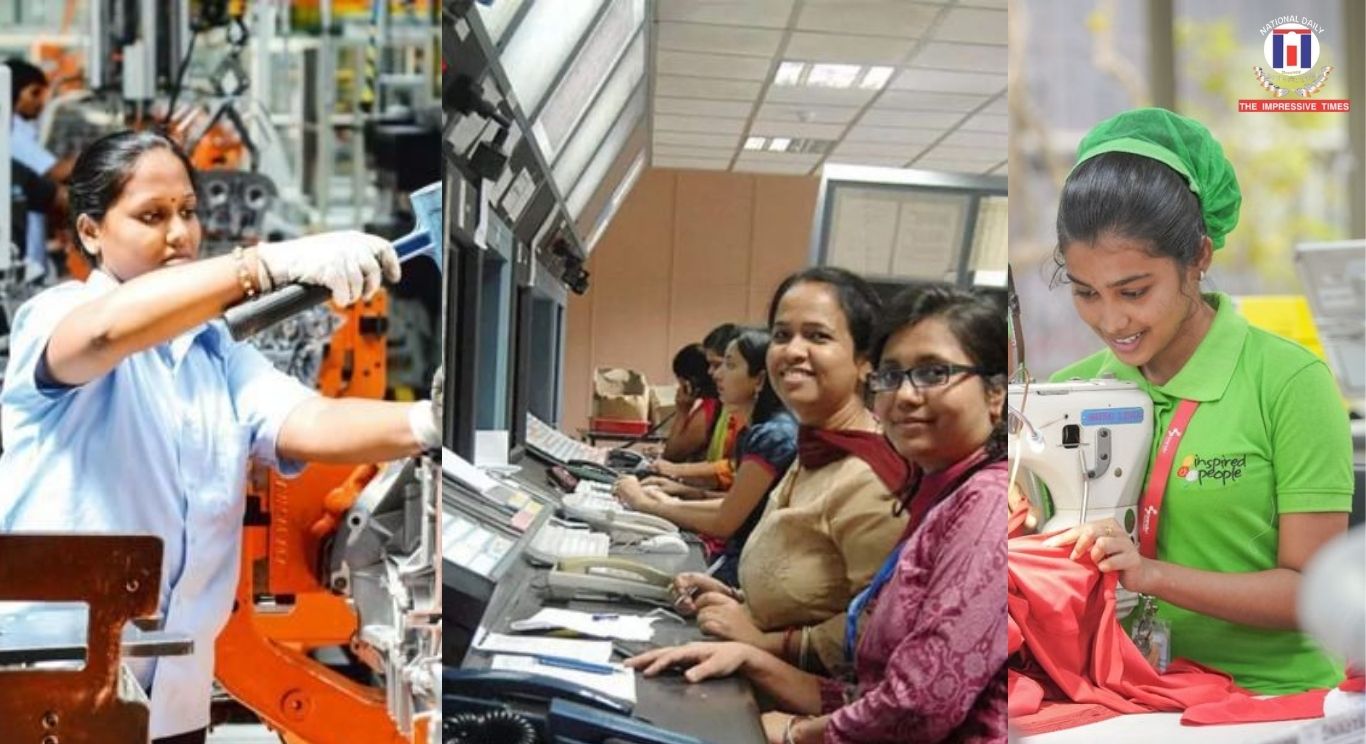
New Delhi: India’s growing urban population and increasing demand for safe drinking water, effective waste management and improved public hygiene are highlighting the importance of skilled professionals in the sanitation sector. As cities expand and environmental concerns become more pressing, sanitation services are emerging as an important area for employment, technical training and community development.
Beyond maintaining cleanliness in public spaces, sanitation involves a wide range of activities, including wastewater treatment, disposal of human waste, solid waste management, drinking water safety and disease prevention.
The sector plays a crucial role in protecting public health, reducing environmental pollution and improving living conditions, particularly in densely populated urban areas and underserved rural communities.
With government departments, municipal authorities, private organisations and non-governmental institutions involved in sanitation-related activities, individuals interested in public health and environmental protection can explore several professional pathways.
Why Sanitation Has Become Essential for Public Health
Access to clean water and proper sanitation facilities directly influences the health and wellbeing of communities.
Unsafe drinking water, inadequate waste disposal and poor hygiene practices can contribute to the spread of infectious diseases and contamination of natural resources.
Effective sanitation systems help prevent human waste from entering water sources, reduce environmental hazards and support healthier residential and public spaces.
However, infrastructure alone cannot eliminate sanitation-related health risks.
Maintaining personal hygiene, handling drinking water safely and following appropriate waste disposal practices are equally important.
Public awareness initiatives, particularly those involving schools and local communities, can help encourage healthier behaviour.
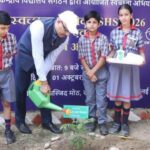
Children can also play an important role in spreading awareness about handwashing, safe water consumption and the importance of clean surroundings.
Urban Expansion Increases Demand for Sanitation Professionals
Rapid urbanisation has placed additional pressure on water supply networks, drainage systems and waste management infrastructure across India.
Growing residential areas, commercial establishments and industrial activities require organised systems for collecting, processing and disposing of different categories of waste.
These developments have increased the importance of trained personnel capable of supervising sanitation operations, monitoring hygiene standards and supporting environmental protection measures.
Government initiatives such as the Swachh Bharat Mission have also brought greater attention to sanitation infrastructure and cleanliness practices.
Launched in 2014, the mission initially aimed to improve sanitation conditions across the country, with a major focus on eliminating open defecation and expanding access to toilet facilities.
The programme also encouraged participation from local authorities, institutions, businesses and communities.
Corporate social responsibility initiatives and public contributions have supported sanitation-related development activities.
As sanitation programmes continue to require implementation, monitoring and maintenance, the sector offers opportunities for individuals with technical, administrative and community-oriented skills.
Career Options Available in the Sanitation Industry
Sanitation-related employment extends beyond conventional cleaning and maintenance work.
Qualified individuals can pursue roles involving inspection, environmental monitoring, infrastructure management and public health administration.
Sanitary Inspector: Professionals in this role examine sanitation conditions in public places, residential areas and commercial establishments. Their responsibilities may include identifying hygiene-related concerns, monitoring waste disposal practices and supporting compliance with applicable regulations.
Health Inspector: Health inspectors contribute to disease prevention by monitoring environmental health conditions, examining hygiene standards and assisting public health authorities.
Public Health Manager: These professionals help coordinate health and sanitation programmes, supervise operational activities and support the implementation of community welfare initiatives.
Sanitation Supervisor: Supervisors oversee sanitation workers, coordinate daily operations and help ensure that waste collection and cleaning activities are carried out effectively.
Waste Management Professional: Individuals working in this field may be involved in waste segregation, recycling, treatment processes and environmentally responsible disposal systems.
Water and Sanitation Specialist: These professionals focus on improving access to safe water, evaluating sanitation facilities and supporting infrastructure development.
Community Hygiene Educator: Public awareness specialists work with communities, schools and organisations to promote hygiene practices and sanitation awareness.
Employment opportunities may be available in municipal corporations, public health departments, government institutions, transport facilities, industrial establishments, private service providers and non-governmental organisations.
Specific qualifications and recruitment requirements vary according to the position and employing organisation.
Educational Qualifications and Training Opportunities
Students interested in sanitation-related careers can explore educational programmes connected with environmental science, public health, water management and hygiene.
The qualifications required depend on whether an individual wishes to enter technical operations, inspection services, research or programme administration.
Several Indian institutions have been associated with training and educational initiatives in water, sanitation and hygiene, commonly known as WASH.
Tata Institute of Social Sciences
The Tata Institute of Social Sciences has been associated with postgraduate-level education and training in water, sanitation and hygiene.
Such programmes focus on understanding sanitation challenges, community development and the management of essential public services.
Students interested in specialised education should check the institution’s current course offerings, admission requirements and campus details.
WASH Institute
The WASH Institute has contributed to capacity-building and educational initiatives related to water safety, sanitation and hygiene.
Training in this field can help students understand environmental health concerns, sanitation technologies and community-based approaches to improving hygiene.
Candidates should verify currently available programmes, institutional affiliations and eligibility requirements before applying.
TERI and Collaborative WASH Initiatives
The Energy and Resources Institute and its associated educational initiatives have participated in projects addressing environmental sustainability and water-related challenges.
Earlier collaborations involving international development organisations and corporate partners have also focused on sanitation awareness, professional capacity-building and community-level interventions.
Such initiatives illustrate how environmental research, institutional partnerships and public health programmes can create opportunities for professionals working in the sanitation sector.
All India Institute of Hygiene and Public Health
The All India Institute of Hygiene and Public Health has a longstanding association with public health education and professional training.
Its academic and training activities have covered different areas of public health, making it a relevant institution for individuals interested in environmental hygiene and community health.
Applicants should consult official institutional information for updated course details and admission procedures.
Scholarships and Financial Support for Sanitation Studies
Students planning to pursue advanced education in sanitation, environmental management or public health may explore scholarship opportunities offered by educational institutions and international organisations.
Funding options can vary depending on the applicant’s qualifications, proposed area of study and the institution offering the programme.
The Rotary Foundation’s Global Grants framework has supported scholarships connected with sustainable development priorities, including water, sanitation and hygiene.
International educational initiatives in integrated water management have also provided scholarship opportunities for eligible students seeking specialised qualifications.
In addition, organisations involved in environmental research and development cooperation have supported sanitation projects in vulnerable communities.
For example, earlier collaborations involving the Stockholm Environment Institute, WASH Institute and Swedish development assistance focused on improving sanitation conditions in flood-prone regions of Bihar.
Such projects demonstrate the importance of research, technical expertise and community engagement in addressing sanitation challenges.
However, students should confirm the current availability, eligibility conditions and application deadlines of individual scholarships before making academic plans.
Sanitation Marketing Creates Opportunities Beyond Technical Roles
Alongside infrastructure development, sanitation marketing is another area associated with improving public access to hygiene products and services.
This approach combines community research, public communication and market-based strategies to encourage the adoption of improved sanitation facilities.
Professionals involved in sanitation marketing may study consumer needs, assess affordability and develop awareness campaigns.
Their work can also involve coordinating with local businesses, community organisations and public agencies to improve the availability of sanitation products.
For individuals with backgrounds in communication, social sciences, marketing or development studies, this field offers an alternative route into the sanitation sector.
Community Awareness Remains Central to Sanitation Development
The effectiveness of sanitation programmes depends not only on infrastructure but also on how communities use and maintain available facilities.
Schools, healthcare institutions and local organisations can contribute by promoting safe hygiene practices and encouraging responsible waste management.
Awareness campaigns can help communities understand the relationship between contaminated water, poor sanitation and preventable illnesses.
Professionals working in public health education and community development play an important role in translating sanitation policies into practical improvements.
Their responsibilities may include conducting awareness sessions, supporting local initiatives and encouraging public participation in cleanliness programmes.
Sanitation Sector Offers Scope for Long-Term Professional Growth
As India continues to address challenges involving urban waste, drinking water safety and environmental sustainability, the importance of effective sanitation management remains significant.
The sector brings together professionals from public health, engineering, environmental science, administration, education and social development.
For students seeking careers that combine professional development with community welfare, sanitation offers several areas of specialisation.
Expanding access to relevant education, practical training and professional opportunities can help build the workforce needed to support healthier communities.
Ultimately, improvements in sanitation depend on coordinated efforts involving government institutions, private organisations, trained professionals and citizens.
Strengthening these efforts can contribute not only to better public health outcomes but also to more sustainable and environmentally responsible development across the country.






















![UEFA Champions League: 10-men United fall 2-0 to Atleti; Viking hold Bayern to 3-3 draw ANI | Updated: Oct 14, 2026 09:08 IST Madrid [Spain], October 14 (ANI): Manchester United’s 2026/27 season is turning out to be a disaster after the club showed promise following Michael Carrick taking the helm of the club in January, as it faced another loss on Tuesday (local time). In its first away fixture for this season’s UEFA Champions League at the Estadio Metropolitano stadium, the Red Devils were handed a 2-0 defeat by Atletico Madrid, causing the club more misery as it also struggles domestically. Pablo Barrios scored inside the opening minute for Atletico before substitute Ademola Lookman sealed the victory late in the second half. Barrios capitalised on an early lapse in Manchester United’s defence to put Atletico ahead within the first 60 seconds of the match. Despite the initial shock of conceding so early, United pushed for an equaliser, with Bryan Mbeumo leading the attack on most occasions without any significant result. The hosts controlled much of the first half with their high-intensity pressing and possession. Alejandro Grimaldo came close to extending the lead with a free kick that struck the woodwork. Manchester United looked to respond after the break but struggled to create any clear chances against Atletico’s defence. Bruno Fernandes came close to equalising in the 70th minute, rattling the crossbar with an effort from distance. ‹› United’s task became more difficult in the 74th minute when defender Leny Yoro received a red card over a reckless challenge on Jonathan David. Atletico made their numerical advantage count five minutes later. Lookman, who had come on as a substitute, reacted quickest after goalkeeper Senne Lammens parried Jonathan David’s initial shot and found the back of the net in the 79th minute to seal the victory. Both teams have now recorded one win and one defeat in the opening stages of the Champions League league phase. Elsewhere, Norwegian side Viking FK held Bayern Munich to a dramatic 3-3 draw in the league phase. Viking mounted a late comeback to earn a draw after Bayern had overturned a two-goal deficit. At the Viking Stadion in Stavanger, Norwegian side Viking FK held Bayern Munich to a 3-3 draw, scoring a dramatic late equaliser after the German side had overturned a two-goal deficit. Gianni Stensness gave Viking an early lead in the second minute with a header from a corner before Peter Christiansen doubled their advantage in the 38th minute. Bayern responded after the break, with Harry Kane scoring twice in the 54th and 60th minutes to level the score. Luis Diaz put the visitors ahead in the 71st minute. However, Bayern were reduced to 10 men three minutes later after Michael Olise received his second yellow card. Viking capitalised on the advantage as Herman Haugen scored in the 90th minute to secure a 3-3 draw. With one win and one draw, Bayern are placed fourth with four points, while Viking are 26th with a draw and a loss. (ANI)](https://impressivetimes.com/wp-content/uploads/2026/10/TIT-Website-Image-4-5.jpg)














No Comments: