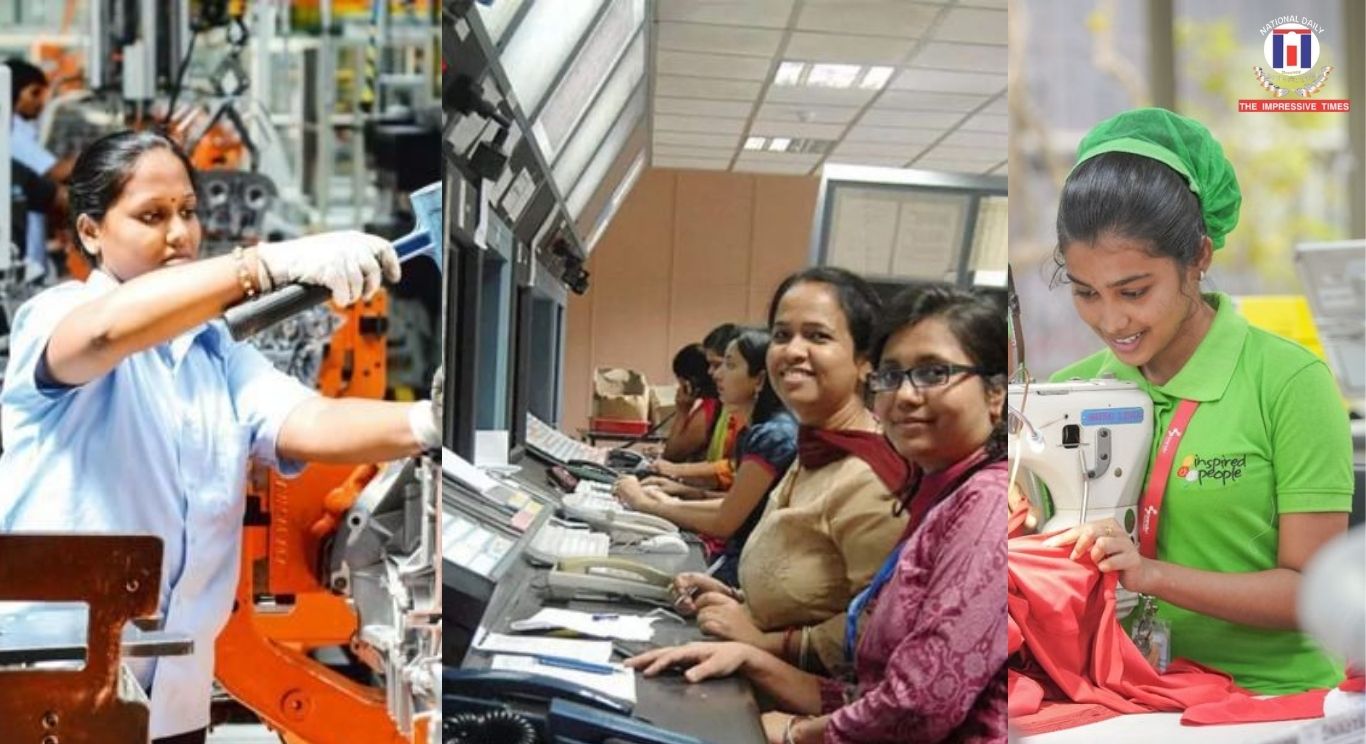
New Delhi: India’s rapidly expanding gig economy is creating alternative employment opportunities for women, allowing them to earn independently and participate in sectors that were previously difficult to access. However, despite the growing availability of platform-based jobs, challenges involving income stability, digital accessibility, gender discrimination and social security continue to affect women’s participation in this emerging workforce.
The increasing use of digital platforms has transformed how individuals access employment, particularly in freelance services, online businesses and app-based work. For many women, these opportunities provide an alternative to conventional jobs by offering greater flexibility in choosing assignments and managing working hours.
Nevertheless, balancing professional commitments with household responsibilities remains a significant concern, raising questions about whether flexible employment alone can ensure meaningful economic empowerment.
India’s Gig Workforce Expected to Reach 23.5 Million by 2030
India has witnessed considerable growth in platform-based employment over the past decade, driven by expanding internet connectivity and the increasing popularity of digital services.
According to estimates published by NITI Aayog, the country’s gig workforce stood at approximately 7.7 million workers and was projected to reach 23.5 million by 2029–30.
The figures highlight the expanding role of freelance and platform-based employment in India’s labour market.
Meanwhile, government data have also indicated improvements in women’s participation in economic activities.
The Periodic Labour Force Survey 2022–23 recorded India’s female labour force participation rate at 37 percent, reflecting an increase of 4.2 percentage points.
These developments have brought renewed attention to the importance of creating accessible employment opportunities for women across different educational and socioeconomic backgrounds.
Digital Platforms Expand Career Choices for Women
The rise of technology-driven services has enabled women to explore employment beyond traditional office environments.
While beauty services, domestic assistance, transportation and food delivery remain important areas of gig employment, newer digital occupations are providing additional opportunities.
Virtual assistance has emerged as one such option, allowing professionals to support businesses remotely through administrative work, scheduling, customer communication, data management and social media operations.
For women with digital and organisational skills, these assignments can provide opportunities to work with clients without requiring daily travel to an office.
Another expanding area is digital brand promotion, where independent content creators and social media professionals collaborate with businesses to advertise products and services.
Such work may involve preparing promotional content, producing videos, managing online engagement and helping companies connect with potential customers.
Online education is also creating employment opportunities for women with teaching experience or specialised knowledge.
Through virtual classrooms and digital communication platforms, tutors can offer academic lessons, examination preparation and skill-based training to students in different locations.
Additionally, childcare services and daycare assistance continue to offer employment possibilities for women interested in caregiving roles.
These services can also support other working parents by providing childcare during professional commitments.
Flexible Work Arrangements Offer Benefits but Have Limitations
One of the main attractions of gig employment is the possibility of selecting assignments according to individual availability.
This flexibility can be particularly valuable for women managing caregiving duties, educational commitments or other personal responsibilities.
However, the advantages depend heavily on the nature of the work, payment arrangements and expectations set by digital platforms or clients.
For some workers, unpredictable assignments and irregular earnings can make financial planning difficult.
Women may also find themselves handling paid assignments alongside substantial unpaid domestic responsibilities, resulting in longer working hours and limited personal time.
Experts and labour advocates have raised concerns that flexible employment models may reinforce existing inequalities when household responsibilities continue to fall disproportionately on women.
Consequently, improving access to gig opportunities must be accompanied by measures that address working conditions and income security.
Digital Inequality and Gender Bias Remain Major Obstacles
Despite the expansion of online employment, not all women have equal access to the resources needed to participate in the gig economy.
Differences in smartphone ownership, internet usage and digital literacy can restrict access to platform-based jobs, particularly among women from disadvantaged backgrounds.
Limited familiarity with online applications, digital payments and professional networking tools may further reduce employment opportunities.
Gender stereotypes also continue to influence the types of assignments women receive.
In some cases, women remain concentrated in occupations traditionally associated with caregiving, household services and personal assistance.
Concerns have also been raised about the possibility of automated platform systems reinforcing existing patterns of discrimination through their assignment and recommendation processes.
Unequal earnings represent another challenge, as differences in access to higher-paying assignments and professional opportunities can contribute to income disparities.
Addressing these issues will require greater attention to digital inclusion, transparent platform practices and fair employment conditions.
Social Security Protection Remains a Key Policy Concern
The absence of comprehensive employment-related protections has emerged as an important issue for workers engaged in freelance and platform-based occupations.
Unlike many conventional employees, gig workers may not receive the same benefits associated with regular employment, including paid leave, employer-supported insurance and retirement provisions.
India’s Code on Social Security, 2020, provides a legislative framework for extending welfare measures to gig and platform workers.
The framework envisages social security arrangements covering areas such as accident protection, disability benefits, healthcare, maternity assistance and old-age support.
It also provides for mechanisms intended to support the financing and implementation of welfare schemes.
For women workers, access to maternity-related assistance, healthcare and income protection is particularly important.
Strengthening the reach of existing welfare programmes and developing gender-responsive support systems could help reduce economic insecurity among women participating in platform-based employment.
Skill Development Can Help Women Access Better Opportunities
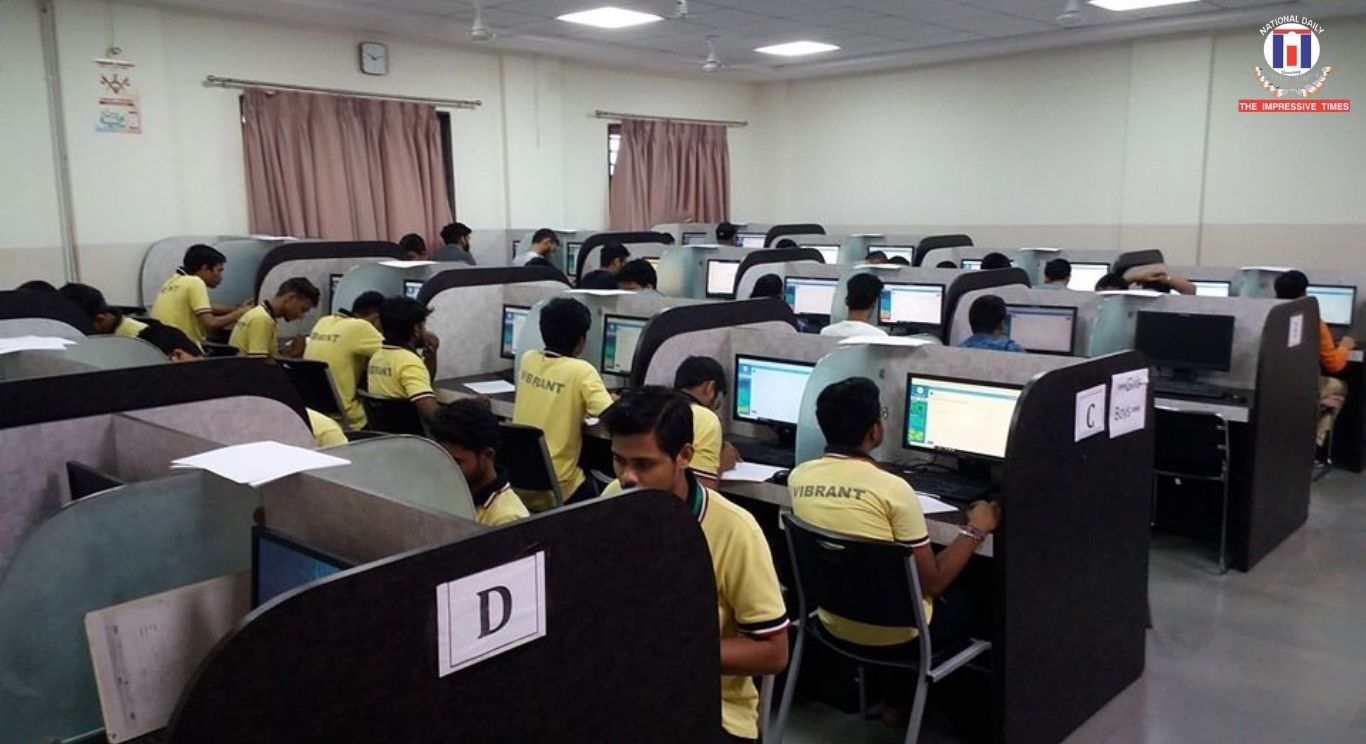
Improving professional skills is another important factor in enabling women to benefit from the expanding gig economy.
Training in digital communication, online business operations, financial management and specialised services can help individuals explore a wider range of assignments.
Maintaining updated professional profiles, developing work portfolios and building industry connections may also improve access to potential clients.
Women entering freelance employment can benefit from understanding payment arrangements, platform policies and the requirements associated with different types of work.
Greater awareness of digital safety and financial practices is equally important for individuals working through online marketplaces.
Skill-building initiatives, combined with improved digital infrastructure, could help more women move into specialised and potentially higher-paying occupations.
Inclusive Policies Essential for Women’s Long-Term Economic Participation
The expansion of India’s gig economy presents an opportunity to strengthen women’s financial independence and increase their participation in the labour market.
However, the availability of flexible jobs does not automatically translate into stable earnings, equal opportunities or improved working conditions.
Ensuring fair compensation, accessible digital training, safer workplaces and effective social protection will be essential for making the sector more inclusive.
As platform-based employment continues to develop, policies that recognise the specific challenges faced by women could play an important role in supporting sustainable livelihoods.
A more equitable gig economy would not only improve employment prospects for women but also contribute to broader economic participation and workforce diversity across India.
























![UEFA Champions League: 10-men United fall 2-0 to Atleti; Viking hold Bayern to 3-3 draw ANI | Updated: Oct 14, 2026 09:08 IST Madrid [Spain], October 14 (ANI): Manchester United’s 2026/27 season is turning out to be a disaster after the club showed promise following Michael Carrick taking the helm of the club in January, as it faced another loss on Tuesday (local time). In its first away fixture for this season’s UEFA Champions League at the Estadio Metropolitano stadium, the Red Devils were handed a 2-0 defeat by Atletico Madrid, causing the club more misery as it also struggles domestically. Pablo Barrios scored inside the opening minute for Atletico before substitute Ademola Lookman sealed the victory late in the second half. Barrios capitalised on an early lapse in Manchester United’s defence to put Atletico ahead within the first 60 seconds of the match. Despite the initial shock of conceding so early, United pushed for an equaliser, with Bryan Mbeumo leading the attack on most occasions without any significant result. The hosts controlled much of the first half with their high-intensity pressing and possession. Alejandro Grimaldo came close to extending the lead with a free kick that struck the woodwork. Manchester United looked to respond after the break but struggled to create any clear chances against Atletico’s defence. Bruno Fernandes came close to equalising in the 70th minute, rattling the crossbar with an effort from distance. ‹› United’s task became more difficult in the 74th minute when defender Leny Yoro received a red card over a reckless challenge on Jonathan David. Atletico made their numerical advantage count five minutes later. Lookman, who had come on as a substitute, reacted quickest after goalkeeper Senne Lammens parried Jonathan David’s initial shot and found the back of the net in the 79th minute to seal the victory. Both teams have now recorded one win and one defeat in the opening stages of the Champions League league phase. Elsewhere, Norwegian side Viking FK held Bayern Munich to a dramatic 3-3 draw in the league phase. Viking mounted a late comeback to earn a draw after Bayern had overturned a two-goal deficit. At the Viking Stadion in Stavanger, Norwegian side Viking FK held Bayern Munich to a 3-3 draw, scoring a dramatic late equaliser after the German side had overturned a two-goal deficit. Gianni Stensness gave Viking an early lead in the second minute with a header from a corner before Peter Christiansen doubled their advantage in the 38th minute. Bayern responded after the break, with Harry Kane scoring twice in the 54th and 60th minutes to level the score. Luis Diaz put the visitors ahead in the 71st minute. However, Bayern were reduced to 10 men three minutes later after Michael Olise received his second yellow card. Viking capitalised on the advantage as Herman Haugen scored in the 90th minute to secure a 3-3 draw. With one win and one draw, Bayern are placed fourth with four points, while Viking are 26th with a draw and a loss. (ANI)](https://impressivetimes.com/wp-content/uploads/2026/10/TIT-Website-Image-4-5.jpg)














No Comments: