“Dopamine Menus” Are Trending: The Simple Wellness Habit Helping People Break the Doomscrolling Cycle
Dopamine menus are trending as people seek healthier alternatives to doomscrolling. Here's what they are, how they work and what experts say.

 The Impressive Times
TIT Correspondent
info@impressivetimes.com
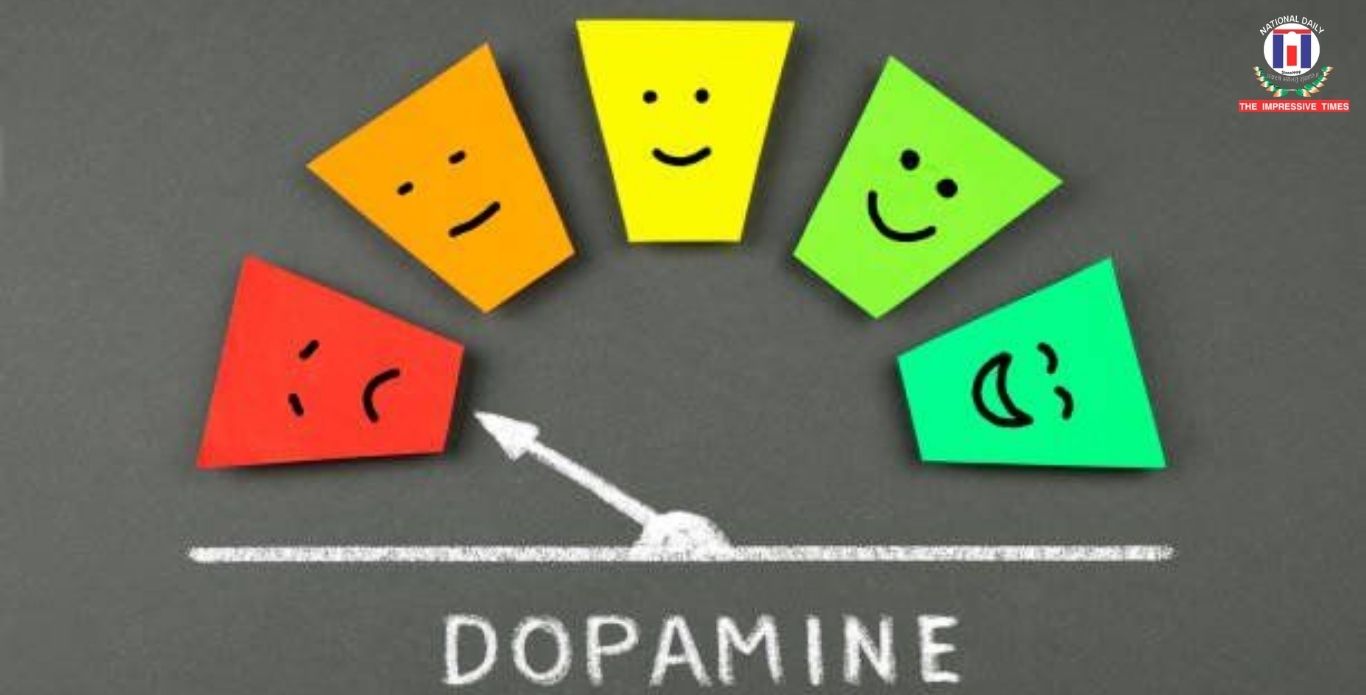
What if you had a menu to turn to whenever you felt bored, stressed or tempted to endlessly scroll through your phone? That is the idea behind the latest wellness trend known as a “dopamine menu” or “dopamenu.”
Instead of choosing food from a restaurant menu, people create a personal list of activities that make them feel refreshed, engaged or motivated. The concept has recently been gaining renewed attention on social media and in wellness conversations.
What exactly is a dopamine menu?
A dopamine menu is essentially a pre-planned list of enjoyable activities that a person can choose from when they need a mental break.
The concept became popular through the ADHD community and was popularised by Jessica McCabe of How to ADHD. The original idea was to organise activities into categories similar to a restaurant menu — including quick “appetisers”, longer “mains”, “sides” and enjoyable “desserts”.
The activities are completely personal. For one person, a five-minute walk may work. For another, it could be listening to music, making tea, calling a friend, reading or spending time with a pet.
Why are people making them?
One reason is the growing struggle with constant digital stimulation.
When people feel bored or mentally tired, reaching for a smartphone can become almost automatic. A few minutes of scrolling can easily turn into an hour of social media, short videos or random browsing.
A dopamine menu attempts to interrupt that habit by giving people alternatives that have already been selected in advance.
Mayo Clinic describes the idea as a rebranding of an older psychological approach called behavioural activation — doing something purposeful or rewarding to help break a cycle of avoidance and low motivation.
What can go on a dopamine menu?
There is no fixed formula. The best menu is one based on activities that genuinely work for the individual.
These are activities that take only a few minutes.
These require more time but can provide a deeper mental reset.
These can be combined with another task. Someone might listen to music while cleaning, take a walk while making a phone call or listen to an interesting podcast while doing household chores.
These are highly enjoyable activities that can become distractions if used without limits. Watching a favourite show, playing a game or spending time on social media may fit here.
The idea is not necessarily to eliminate these activities but to use them intentionally.
Does a dopamine menu actually increase dopamine?
This is where the trend needs some clarification.
Despite its catchy name, a dopamine menu should not be understood as a scientifically proven way to give yourself specific amounts of dopamine.
Dopamine is a neurotransmitter involved in motivation, reward, attention and learning. Experts caution against thinking of it simply as a chemical that produces instant happiness.
There are also no clinical trials establishing dopamine menus themselves as a treatment. The usefulness of the approach comes more from planning enjoyable, meaningful activities in advance and making them easier to choose when motivation is low.
Why planning matters
The biggest appeal of the trend may actually have little to do with neuroscience.
When someone is tired or overwhelmed, deciding what to do can itself feel difficult. Having a ready-made list removes some of that decision-making.
Instead of thinking, “What should I do right now?”, the person can simply pick something from their menu.
Mayo Clinic experts suggest that the approach can be useful for people who struggle with attention and motivation, while noting that the activity should remain a short break rather than become another form of avoidance.
Could it replace scrolling?
For some people, that is exactly the goal.
The idea isn’t to completely remove smartphones or social media from daily life. Instead, the menu creates alternatives for those moments when someone automatically reaches for their phone because they are bored.
A five-minute walk, a favourite song or a conversation with a friend may provide a different kind of break from endless scrolling.
The trend’s biggest lesson
The popularity of dopamine menus reflects a larger shift in lifestyle culture: people are increasingly looking for small, realistic ways to feel better during ordinary days, rather than relying only on major wellness routines or expensive experiences.
And perhaps the most useful part of the trend is its simplicity.
You don’t need a special app, expensive equipment or a wellness retreat. You only need a list of activities that genuinely make you feel good — and the willingness to choose one before opening another social-media feed.
In a world where entertainment is always one tap away, the new wellness trick may simply be knowing what else you can do.















































No Comments: