AI Transforms Hiring, Productivity and Daily Operations Across Fast-Growing Tech Firms: Global Study

Bessemer Venture Partners study finds AI driving productivity, reshaping hiring strategies and becoming central to business operations across engineering, finance, HR, sales, marketing and customer support.
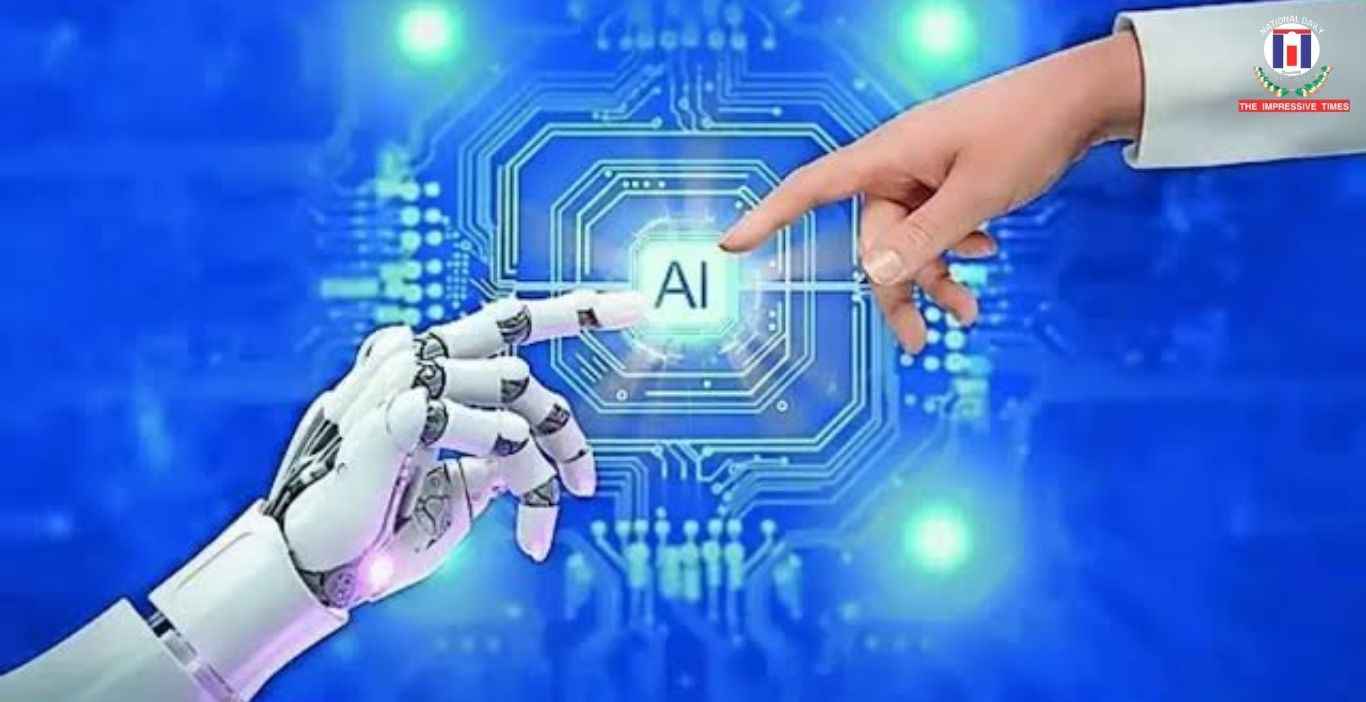
AI adoption in technology companies

New Delhi, Sun , 26 july 2026:

AI adoption in technology companies is rapidly transforming business operations, hiring strategies and workplace productivity, according to a new report by Bessemer Venture Partners.

The study highlights that AI is now being integrated across key business functions, including engineering, finance, human resources, sales, marketing and customer success, as companies increasingly rely on intelligent tools to automate processes, improve productivity and support decision-making.

According to the report, nearly nine out of ten business leaders believe AI will significantly transform the way their organisations function over the next year. The survey reflects strong confidence in AI’s ability to improve operational efficiency, with most respondents expecting the technology to become even more deeply embedded in daily workflows.

More than half of the surveyed companies have already made AI a central part of their operations, while several others are still testing different AI platforms before expanding deployment across teams.

The report identifies Anthropic’s Claude as the most widely adopted AI platform among participating companies, underlining the growing popularity of advanced generative AI solutions in the enterprise sector.

AI adoption is also influencing workforce planning. Nearly half of the companies said they are achieving higher productivity without increasing employee headcount. Many organisations are reskilling existing staff for AI-related responsibilities, while some have slowed recruitment as automation handles repetitive tasks. A smaller number of companies have created dedicated AI-focused positions or replaced selected workflows with AI-powered systems.


Engineering teams remain at the forefront of AI adoption, with coding assistants now widely used to accelerate software development and improve code generation. The report notes that AI contributes significantly to software engineering workflows, helping developers complete projects more efficiently.

Finance departments are increasingly using AI for budgeting, forecasting, financial modelling and contract analysis. However, businesses continue to face challenges related to fragmented data systems and inconsistent information, limiting the technology’s full potential.

Human resources teams are using AI to streamline recruitment, prepare job descriptions, draft offer letters and support employee performance evaluations. At the same time, organisations continue to prioritise data privacy, security and regulatory compliance while deploying AI in HR functions.

Sales and business development teams are leveraging AI for customer research, meeting summaries and account planning, although measuring its direct impact on revenue generation remains an ongoing challenge.

Marketing and communications departments have embraced AI for content creation and campaign development, while maintaining strict oversight to protect brand reputation and ensure content quality.

Customer support teams are deploying AI-powered chatbots, ticket management systems and productivity tools to improve response times and reduce service workloads. Even so, many businesses say accurately assessing AI’s contribution to customer retention continues to be a challenge.

The report concludes that while AI adoption is accelerating across industries, its pace differs by business function. Factors such as data quality, regulatory requirements, technology integration and workforce readiness will continue to shape how organisations maximise the benefits of artificial intelligence.

No Comments:

Leave a Reply

Your email address will not be published. Required fields are marked *

National News

Education

More News