BRICS Transport Working Group Opens in Nagpur to Advance Sustainable and Resilient Mobility
India outlines six flagship transport initiatives as BRICS nations discuss clean mobility, logistics resilience and multimodal connectivity ahead of the Ministers' Meeting.
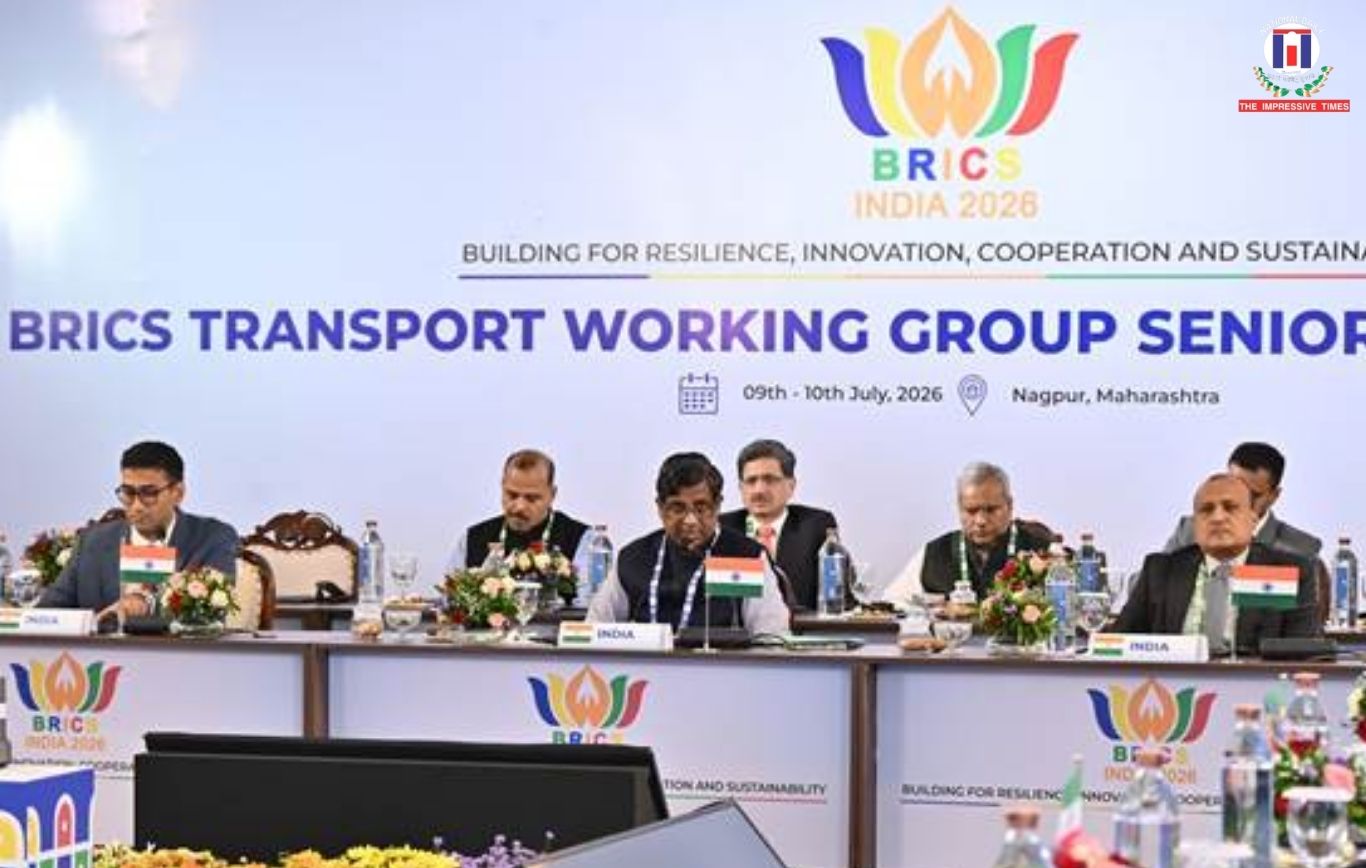
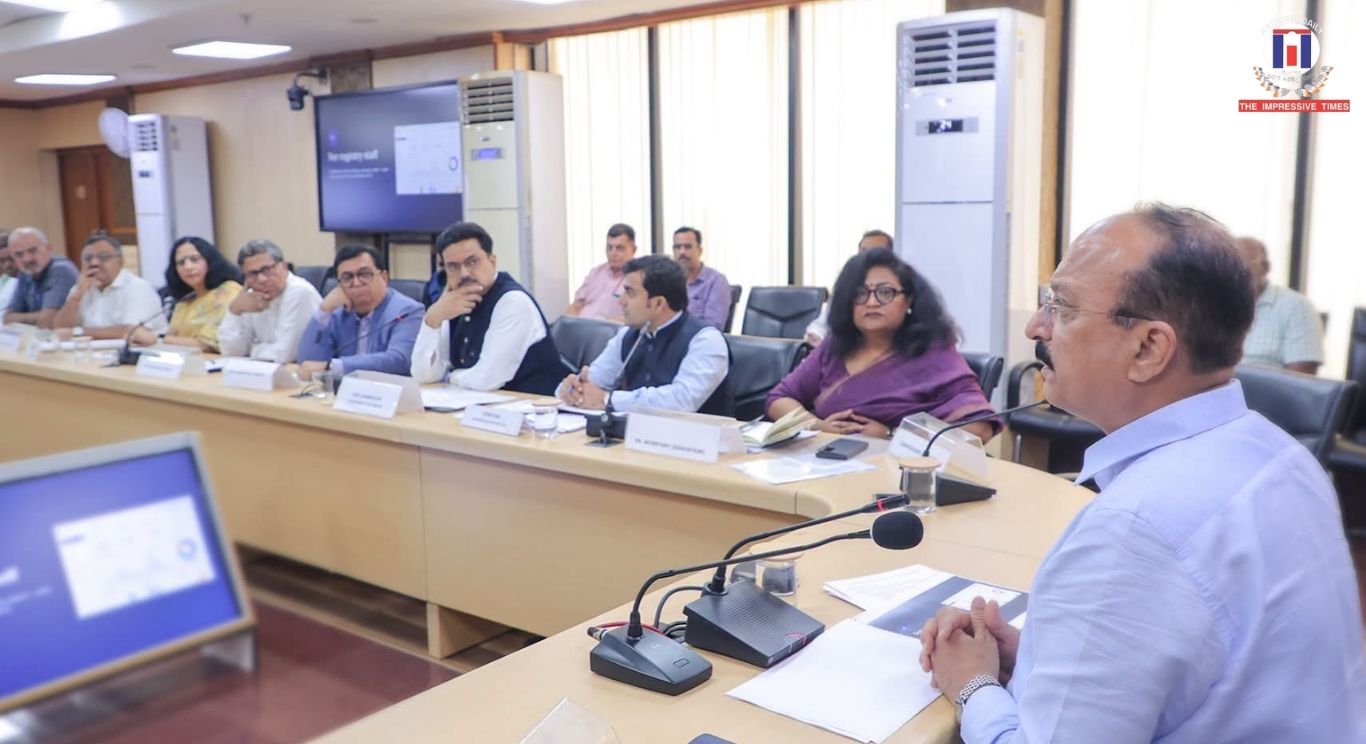
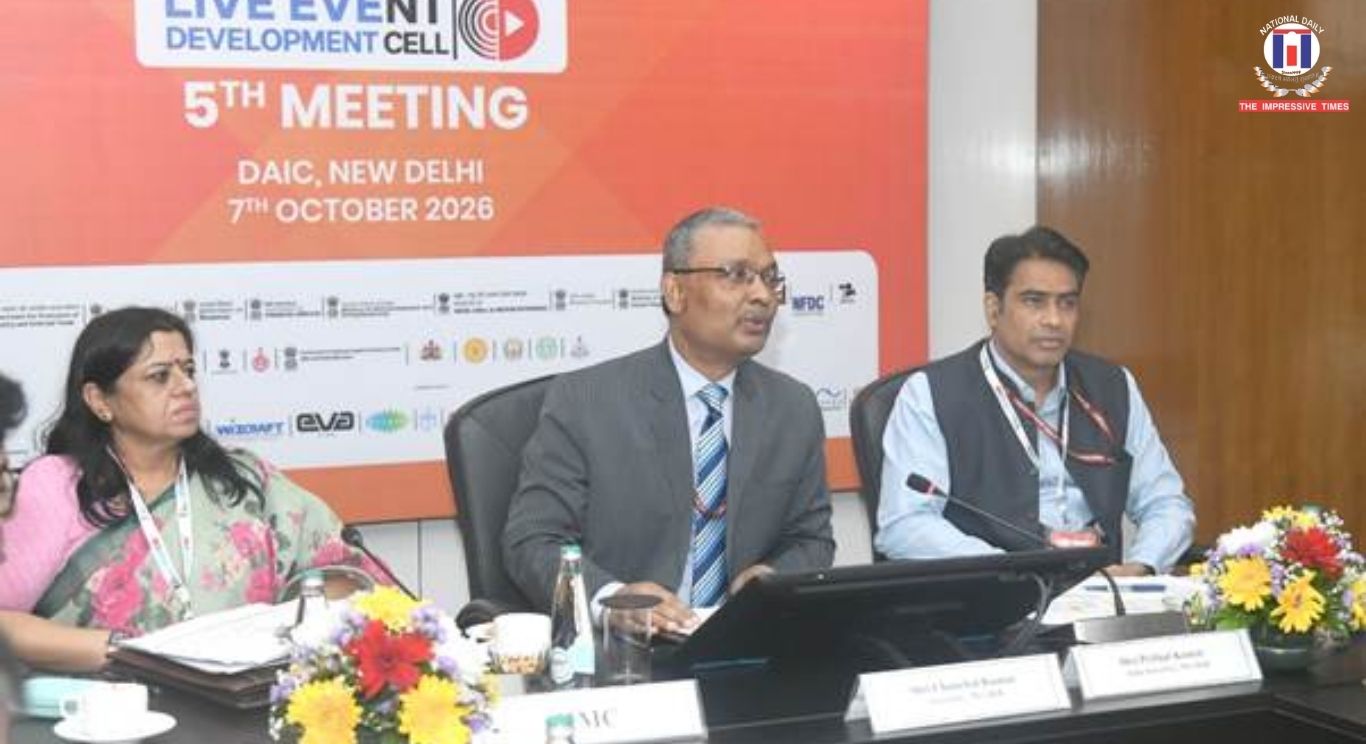
Nagpur, July 9, 2026 : The third BRICS Transport Working Group (TWG) Meeting commenced in Nagpur on Thursday under India’s BRICS Chairship 2026, bringing together senior officials from BRICS member countries to strengthen cooperation on sustainable, resilient and future-ready transport systems.
Over the next two days, delegates will deliberate on a wide range of policy priorities, including sustainable transport infrastructure, clean mobility, logistics resilience and multimodal connectivity. The discussions are aimed at promoting stronger institutional cooperation and addressing emerging global transport challenges through collaborative efforts.
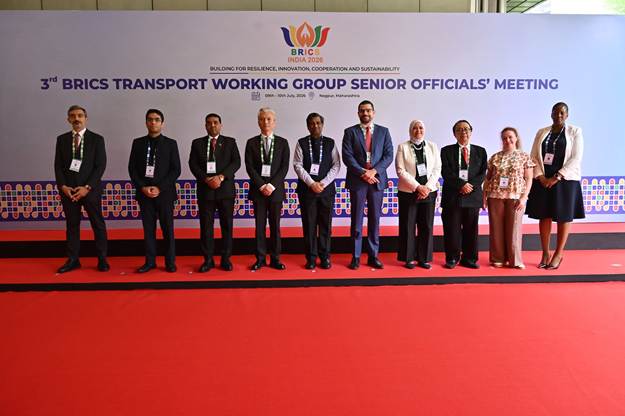
Welcoming the delegates, Secretary, Ministry of Road Transport and Highways, V. Umashankar reaffirmed India’s commitment to collaborative and inclusive development, guided by the principle of “Vasudhaiva Kutumbakam” or “The World is One Family.”
He said India’s BRICS Chairship theme, “Building for Resilience, Innovation, Cooperation and Sustainability,” reflects a people-centric vision focused on practical partnerships for developing efficient, sustainable and resilient transport ecosystems across member nations.
Highlighting India’s priorities, Umashankar said the transport agenda has been structured around six flagship initiatives covering sustainability in infrastructure, sustainable aviation fuel (SAF), transport decarbonisation, urban mobility, resilient logistics and railway research cooperation. He noted that these initiatives are designed to promote knowledge sharing, technical collaboration, institutional partnerships and capacity building among BRICS countries.
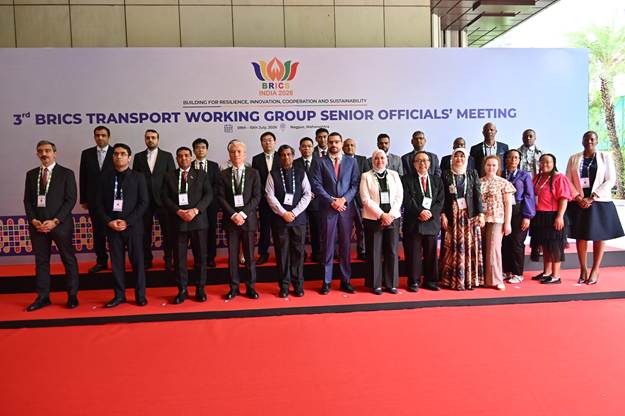
The Secretary said the proposed initiatives build upon the progress achieved during earlier BRICS Transport Working Group engagements while laying a stronger foundation for long-term cooperation in the transport sector. He added that the initiatives reflect the collective commitment of BRICS nations to creating transport systems that are innovative, environmentally responsible and responsive to the needs of their people.
Umashankar observed that the Nagpur meeting marks the culmination of an extensive consultative process involving five virtual preparatory meetings, during which member countries held detailed discussions on the thematic priorities identified under India’s Chairship. Appreciating the constructive participation of all delegations, he expressed confidence that the same spirit of cooperation would continue throughout the deliberations and help build consensus on key outcomes.
Reaffirming India’s role as Chair, he assured participating delegations that the discussions would remain transparent, inclusive and consensus-driven, ensuring that the final outcomes reflect the collective priorities and development perspectives of all BRICS members.
Emphasising the growing importance of the expanded BRICS grouping, Umashankar noted that member countries together account for nearly 49.5 per cent of the world’s population, 40 per cent of global GDP and 26 per cent of global trade. He said enhanced cooperation in transport has significant potential to improve connectivity, strengthen supply-chain resilience and support sustainable economic growth.
Expressing confidence in the outcome of the meeting, the Secretary said the deliberations would further reinforce the spirit of partnership and mutual learning among BRICS nations while paving the way for meaningful decisions at the upcoming BRICS Transport Ministers’ Meeting.
The third BRICS Transport Ministers’ Meeting is scheduled to be held in Nagpur on July 11, 2026, following the conclusion of the Working Group deliberations .































No Comments: