Iran-US Crisis Turns Costly for Pakistan as Gulf Tensions Trigger Economic Strain
Unlike past geopolitical conflicts, Islamabad faces capital flight, shrinking reserves, and rising debt pressures amid uncertainty over Hormuz and failed diplomatic leverage
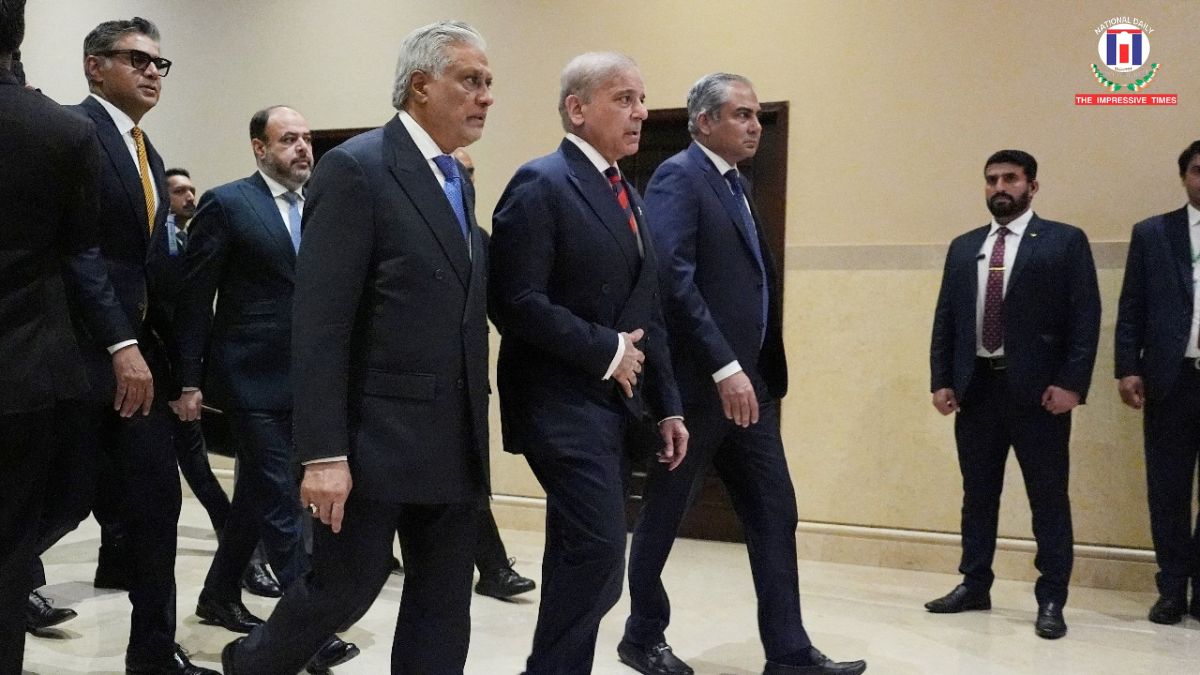
News Report: Pakistan is finding itself on the losing side of global geopolitics as escalating tensions between Iran and the United States begin to weigh heavily on its fragile economy. Historically, Islamabad benefited financially from its strategic positioning during major global conflicts, but the current situation presents a starkly different reality.
With uncertainty growing around a potential ceasefire deadline later this month and rising instability near the Strait of Hormuz, Pakistan’s hopes of playing a meaningful diplomatic role appear to be fading. Plans to host indirect talks between Tehran and Washington now seem increasingly unlikely, leaving the country sidelined in a crisis it once might have leveraged.
The shift is significant. During earlier geopolitical flashpoints—such as the Soviet-Afghan war and the post-9/11 era—Pakistan received massive inflows of foreign assistance, debt relief, and military funding. Those periods boosted foreign exchange reserves and strengthened the country’s economic position.
Today, however, the situation has reversed. Instead of attracting financial support, Pakistan is witnessing capital outflows, declining reserves, and mounting repayment obligations. Recent data indicates billions of dollars exiting the economy, putting pressure on already limited foreign exchange holdings.
Compounding the issue, a substantial portion of Pakistan’s energy imports depends on supply routes passing through the Strait of Hormuz. Any disruption in this critical corridor threatens to push up fuel costs, increase inflation, and widen the current account deficit.
Financial stress has also intensified due to external obligations. A major repayment demand from a Gulf nation recently forced urgent financial adjustments, prompting emergency assistance from regional allies to stabilize reserves and avoid a deeper crisis.
The contrast with the past is striking. Where global conflicts once translated into economic opportunity for Pakistan, the current Iran-US tensions are exposing structural vulnerabilities. The country’s dependence on external financing and energy imports is now amplifying the risks instead of cushioning them.
As diplomatic efforts stall and regional tensions persist, Pakistan faces a challenging road ahead—one where its geopolitical location no longer guarantees economic advantage, but instead brings new financial uncertainties.

































No Comments: