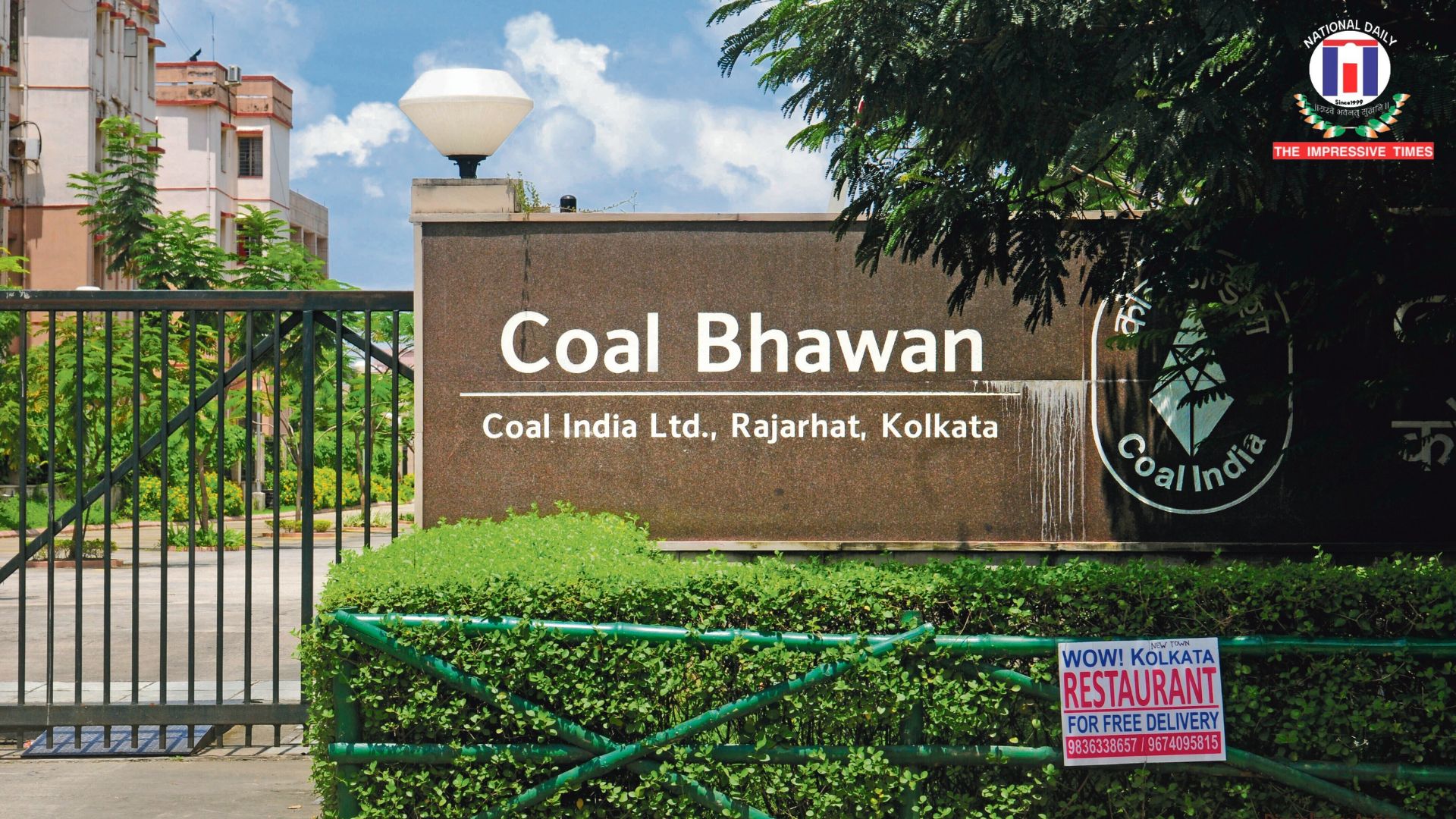
New Delhi, March 19, 2026: The Ministry of Coal has reaffirmed that coal continues to play a vital role in ensuring the country’s energy stability, even as India accelerates its transition towards renewable sources.
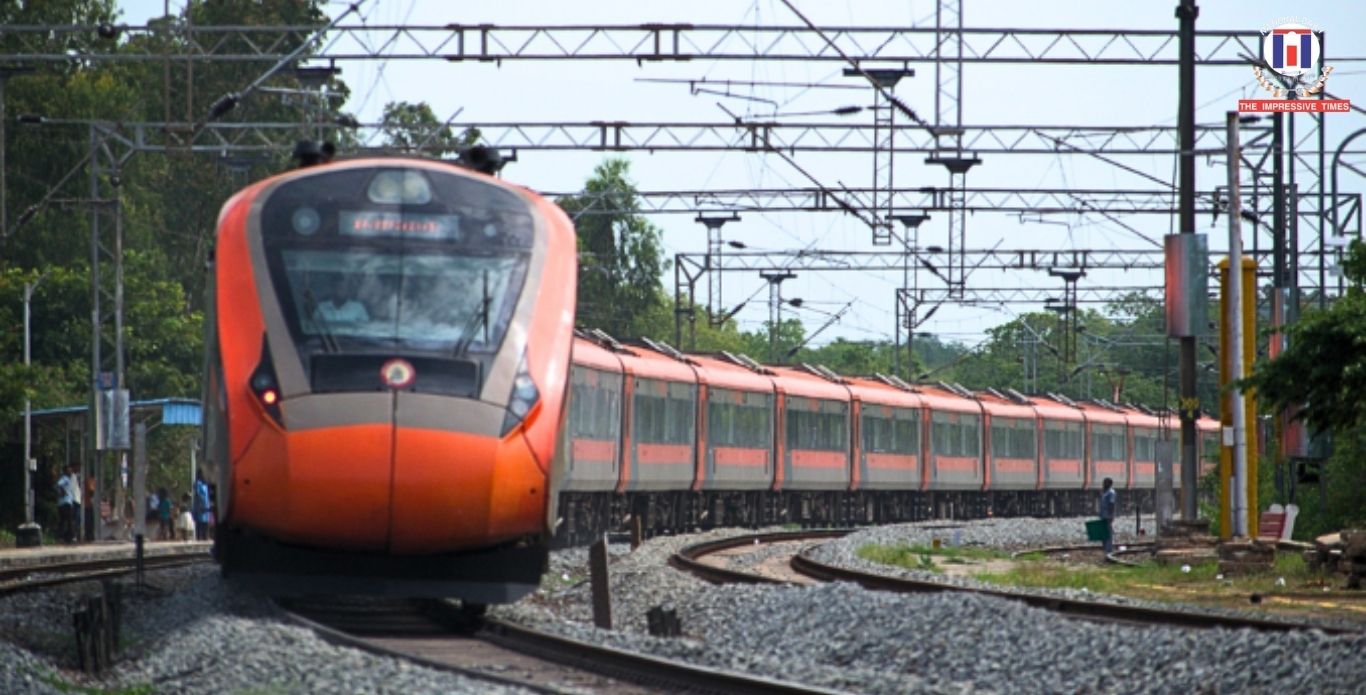
According to the ministry, coal remains essential for providing consistent base-load power, particularly for core sectors such as steel and cement that are crucial to economic growth. Production levels are being maintained in line with rising demand, supported by efficient logistics and coordination with the railway network.
Coal stock levels have seen a significant increase over the past year. Reserves at Coal India Limited mines have risen from over 106 million tonnes in April 2025 to approximately 125 million tonnes by mid-March 2026. Additional stocks are also available with Singareni Collieries Company Limited, captive mines, and in transit and port facilities.
Beyond mine reserves, power plants across the country currently hold over 53 million tonnes of coal, sufficient to meet nearly three weeks of consumption at existing usage rates, indicating a comfortable supply position.
To further streamline distribution, Coal India Limited has ramped up efforts through e-auctions, planning nearly 30 such sales in March alone. Early auctions have already seen substantial booking volumes, reflecting both availability and demand alignment.
The government has also strengthened supply channels for smaller consumers by working through state-nominated agencies, ensuring that industries of all scales receive uninterrupted coal supplies. State governments have been asked to communicate additional requirements, which the system is prepared to fulfil.
Officials stated that continuous monitoring mechanisms are in place to track coal movement and ensure timely delivery, preventing any potential shortages across sectors.
The ministry emphasised that these measures are part of a broader strategy to maintain a reliable and transparent energy ecosystem, supporting industrial activity while meeting the country’s growing power needs and long-term development goals.































No Comments: