Parliamentary Panel Flags Budget Cuts and Low Fund Utilisation in Welfare Schemes
Parliament Panel Flags Budget Cuts and Under-Utilisation in Welfare Schemes for Marginalised Groups

 The Impressive Times
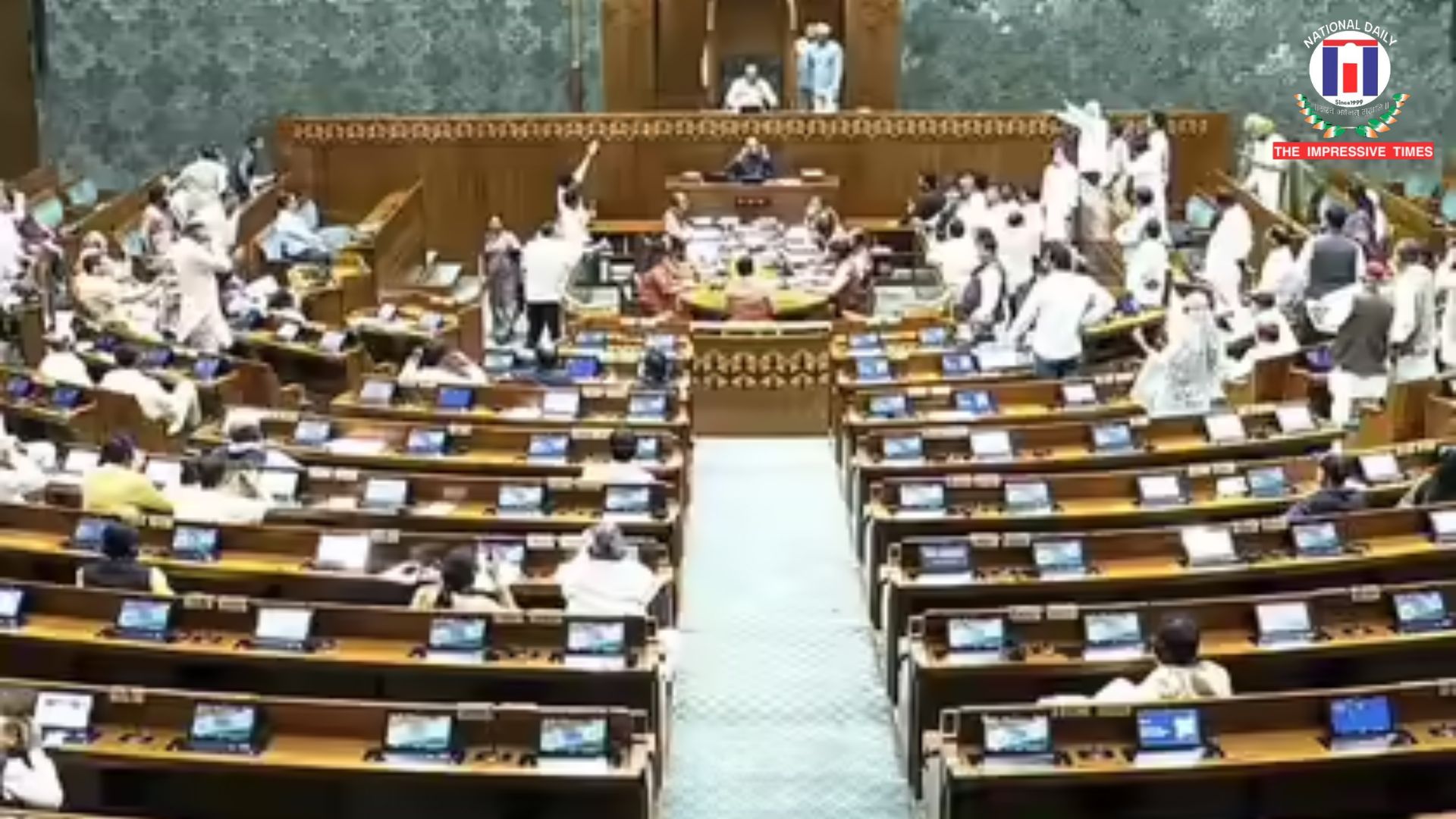
New Delhi, March 13, 2026: A Parliamentary Standing Committee on Social Justice and Empowerment has raised serious concerns over reduced allocations and persistent under-utilisation of funds across several welfare ministries, particularly those handling schemes for minorities, tribal communities, and persons with disabilities.
The 31-member panel, headed by BJP MP P. C. Mohan, examined the demands for grants for 2026–27 and noted significant discrepancies between proposed budgets and actual allocations. It highlighted that the Ministry of Minority Affairs sought ₹4,758.37 crore but was granted ₹3,400 crore, reflecting a reduction of nearly 28.5%.
The committee pointed to substantial cuts in Waqf-related programmes. While ₹50.01 crore was proposed for key Waqf development initiatives, only ₹32 crore was allocated. The report also observed declining expenditure trends in recent years, with actual spending consistently falling short of revised estimates.
The ministry attributed reductions to structural and administrative reforms rather than withdrawal of policy support. Officials informed the panel that implementation challenges were linked to the non-constitution of the Central Waqf Council since early 2023, which has delayed approvals and decision-making processes.
To improve performance, the ministry outlined digital reforms, including the introduction of an integrated online portal, AI-based monitoring tools, geographic mapping of properties, milestone-linked fund releases, and strengthened compliance mechanisms.
The committee, however, noted repeated patterns of low utilisation across financial years, urging better execution and monitoring. It also raised concerns over scholarship programmes for minority students, stating that disbursements have remained suspended in recent years due to reported irregularities. The panel recommended exploring targeted implementation in states with minimal discrepancies to avoid affecting students’ education.
The committee expressed dissatisfaction over partial expenditure of funds under the Ministry of Tribal Affairs, noting that a significant portion of the revised allocation for 2025–26 remained unused as of late February 2026. It called for timely utilisation of remaining funds and stronger financial planning.
Although the proposed allocation for 2026–27 is higher compared to previous years, the panel emphasised the need to prevent reductions at later budget stages and ensure effective deployment.
Under the Ministry of Social Justice and Empowerment, particularly the department handling disability welfare, the committee identified recurring shortfalls between allocations and actual spending. Utilisation levels in recent years remained below full capacity, indicating implementation gaps.
In the ADIP scheme, which supports persons with disabilities in obtaining assistive devices, beneficiary coverage fluctuated across years, with targets either exceeded or missed depending on the period. The panel suggested more consistent planning to ensure stable outreach.
It also flagged a decline in the number of Scheduled Caste students receiving post-matric scholarships, with coverage falling significantly compared to targets.
The committee concluded that recurring differences between allocated budgets and actual expenditure reflect weaknesses in execution and coordination. It recommended improved monitoring systems, quarterly spending targets, and closer collaboration with state and union territory administrations to ensure that welfare programmes effectively reach intended beneficiaries.
















No Comments: