Iranian Attacks on Ships Trigger Tensions in Strait of Hormuz; Two Indian Tankers Cross Safely
Iran Attacks Tankers in Strait of Hormuz, 19 Ships Hit as Two Indian Tankers Cross Warzone Safely

 The Impressive Times
New Delhi, March 12: The security situation in the Strait of Hormuz has turned highly volatile after multiple vessels came under attack, raising concerns over global energy supplies and maritime safety in one of the world’s busiest oil transit routes.
Despite the escalating tensions, two tankers operated by the Shipping Corporation of India – Pushpak and Piramal – managed to safely transit the Strait of Hormuz between late Wednesday night and Thursday morning without naval escort.
The development comes amid reports that several commercial vessels have been targeted in the Persian Gulf-Hormuz-Gulf of Oman shipping corridor. At least three tankers were reportedly hit by projectiles during the same period, sustaining varying degrees of damage.
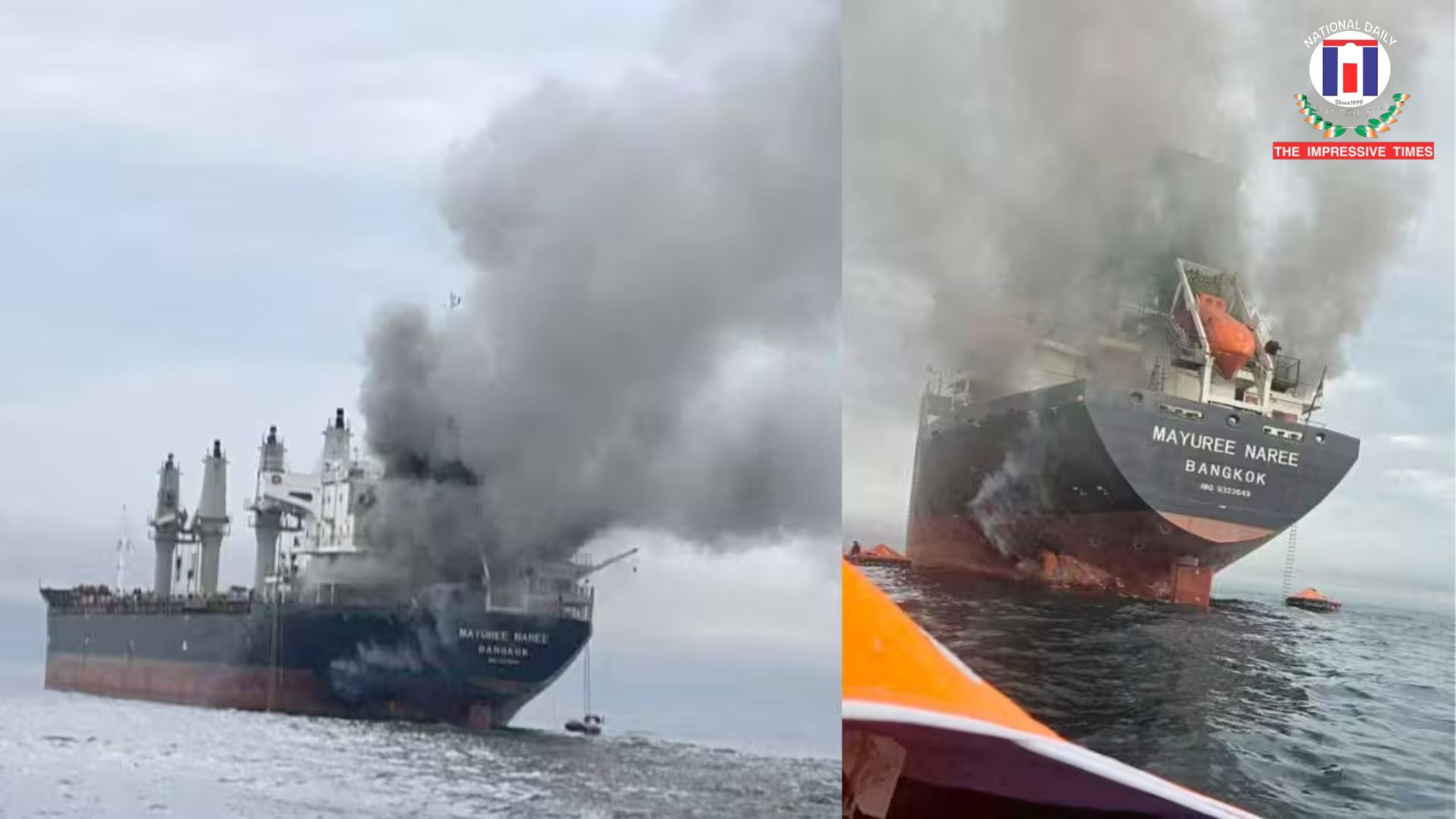
Among the affected vessels was the Thai-flagged bulk carrier Mayuree Naree, which was struck on its hull while transiting the strategic waterway. Images from the area showed smoke rising from the vessel following the attack.
Maritime experts said the situation in the region remains extremely uncertain, with conflicting signals emerging from Iranian authorities regarding the movement of commercial vessels and the presence of naval escorts.
According to shipping analysts, tankers carrying crude oil through the strait are currently navigating the route without military escort, significantly increasing the risks to commercial shipping.
The Strait of Hormuz, which connects the Persian Gulf with the Gulf of Oman and the Arabian Sea, is a critical global energy chokepoint through which a large share of the world’s oil shipments passes each day. Any disruption in this corridor can have major implications for global energy markets.
Reports indicate that several attacks have taken place in the region in recent days, with projectiles and drone strikes suspected to have been used against vessels transiting the waterway. Maritime security observers say kamikaze drones and possible underwater projectiles may have been deployed in the attacks.
The escalation has also drawn international concern, with diplomatic discussions intensifying over maritime security and the protection of shipping routes. Observers warn that continued attacks in the strait could trigger a wider energy crisis and further destabilise the region.
As tensions continue, shipping companies and naval authorities are closely monitoring the situation, while commercial vessels are proceeding with extreme caution through the critical sea lane.

















































No Comments: