Iran Launches Fresh Missile and Drone Strikes Across Gulf as Israel Vows to Intensify Offensive
US-Israel vs Iran War Live Updates: Tehran Launches Fresh Strikes as Netanyahu Says “We Are Breaking Their Bones”

 The Impressive Times
Dubai/Washington, March 10, 2026: Tensions in the Middle East escalated sharply on Tuesday as Iran launched a fresh wave of missile and drone attacks targeting Israel and several Gulf nations, further deepening a conflict that has already shaken global energy markets and heightened fears of a wider regional war.
Air raid sirens sounded early Tuesday morning in major Gulf cities including Dubai, Abu Dhabi and Bahrain, after authorities reported intercepting multiple drones and missiles believed to have been launched from Iranian territory. Gulf states such as Saudi Arabia, Kuwait and the United Arab Emirates said their defence systems successfully neutralised several incoming threats aimed at strategic and oil-rich areas.
The escalation comes amid ongoing military operations involving the United States and Israel against Iranian targets. Israeli Prime Minister Benjamin Netanyahu struck a defiant tone during a briefing, declaring that Israel is dealing severe blows to Iranian forces and will continue its campaign until its objectives are achieved.
Meanwhile, US President Donald Trump suggested the conflict may not last long, describing the current military campaign as progressing faster than expected. He told reporters that American forces could potentially eliminate remaining Iranian targets within a day, though he acknowledged that the operation had not yet reached its final goals.
Iranian officials, however, rejected the suggestion that the conflict is nearing an end. State media quoted commanders from the Islamic Revolutionary Guard Corps (IRGC) as saying that Tehran would ultimately decide when hostilities conclude, signalling continued resistance.
The war, which began on February 28, has already resulted in significant casualties across the region. Official estimates indicate that more than 1,200 people have been killed in Iran, while 397 deaths have been reported in Lebanon and 11 in Israel. The United States has also confirmed the deaths of seven of its service members since the fighting began.
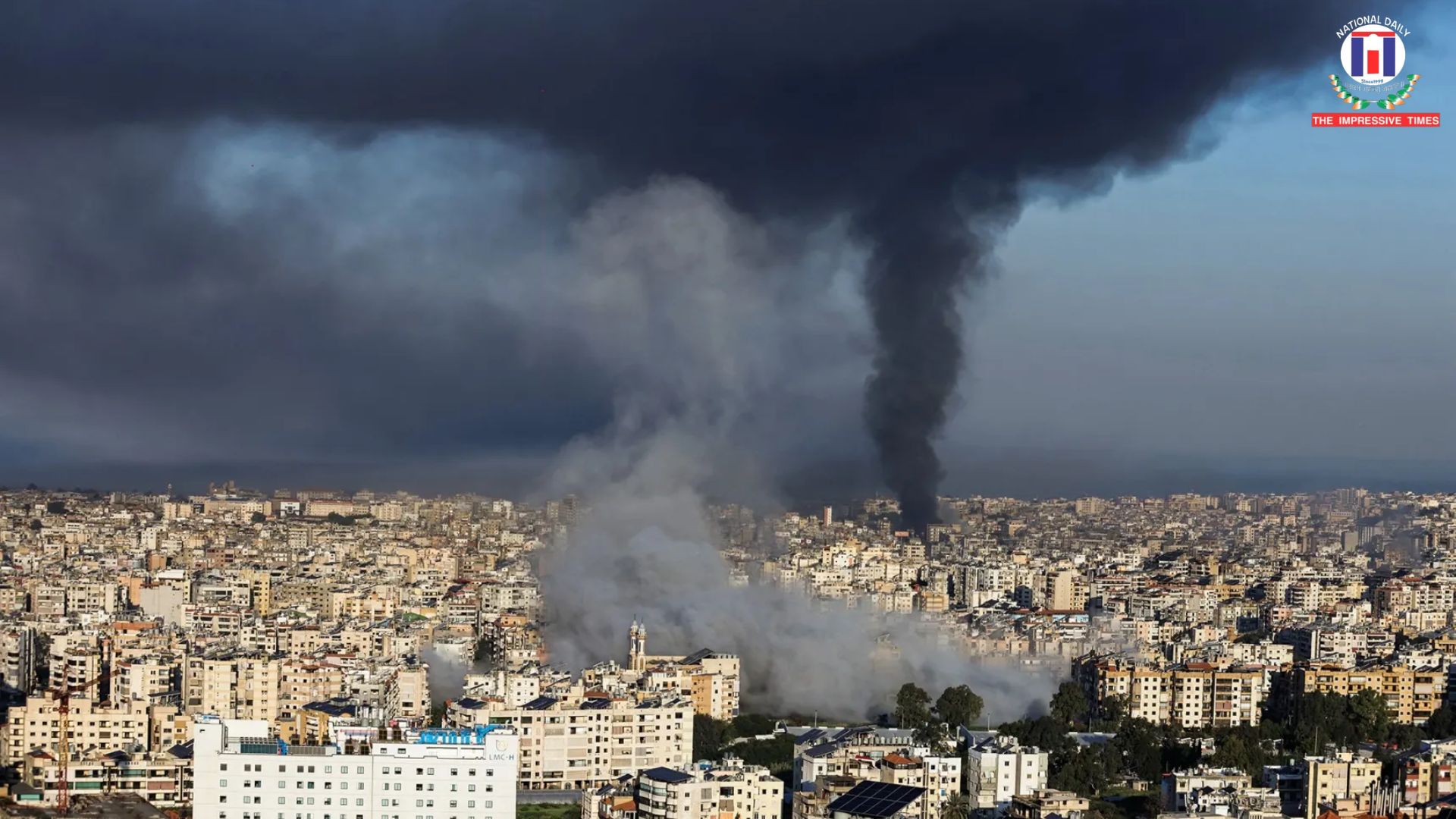
The conflict has spread beyond the immediate battlefield. In Iraq, an airstrike near Kirkuk reportedly killed five fighters linked to pro-Iran militias, though responsibility for the attack has not been officially confirmed. At the same time, Israel has intensified air raids targeting financial networks linked to Hezbollah in Lebanon.
Another major concern is the growing disruption to global oil supplies. Iran has tightened its grip on the Strait of Hormuz, one of the world’s most crucial shipping routes for crude oil. The blockade has sent shockwaves through international energy markets, pushing Brent crude prices briefly above $120 per barrel before fluctuating as traders reacted to developments.
Despite the rising tensions, some global markets showed cautious optimism. Early trading on Tuesday saw gains in several Asian and Indian stock markets, as investors appeared to focus on the possibility that the conflict could end sooner than expected.
However, analysts warn that prolonged instability in the Middle East could have lasting economic consequences. Energy companies and governments worldwide are closely monitoring the situation, particularly after Saudi Aramco reported a decline in profits for 2025 to around $104 billion, highlighting the growing uncertainty surrounding the global oil sector.
As military operations continue and diplomatic solutions remain uncertain, the conflict threatens to further destabilise a region already grappling with geopolitical tensions and economic pressures.















































No Comments: