Historic breakthrough: After 50 years, Delhi gets new Drainage Master Plan to keep city flood-free for next 30 years
₹57,000 crore estimated expenditure to transform Delhi’s drainage network, tackle waterlogging, and build future-ready infrastructure
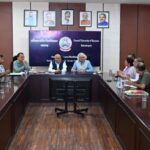
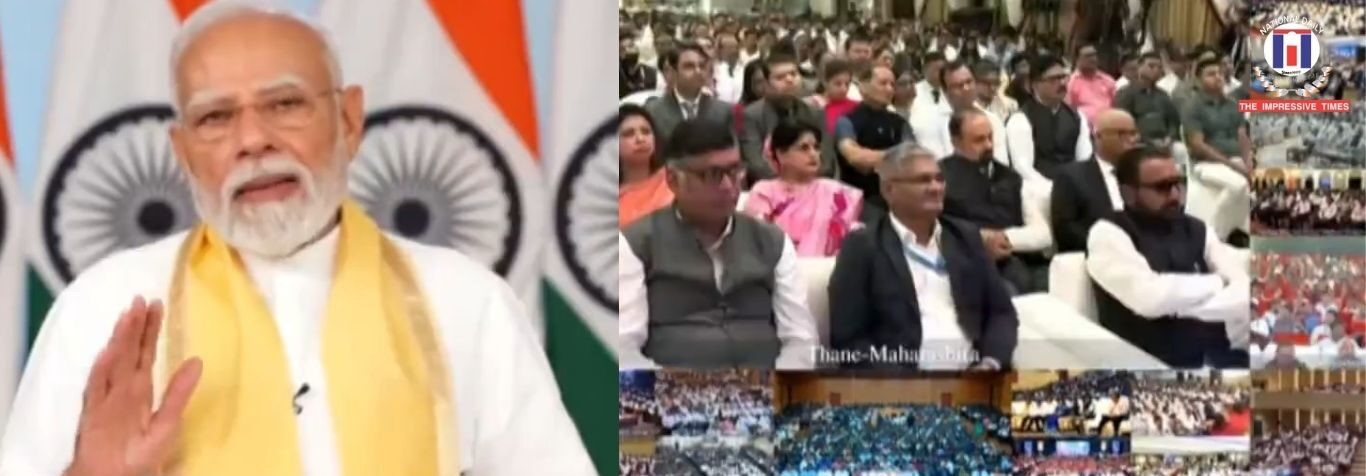
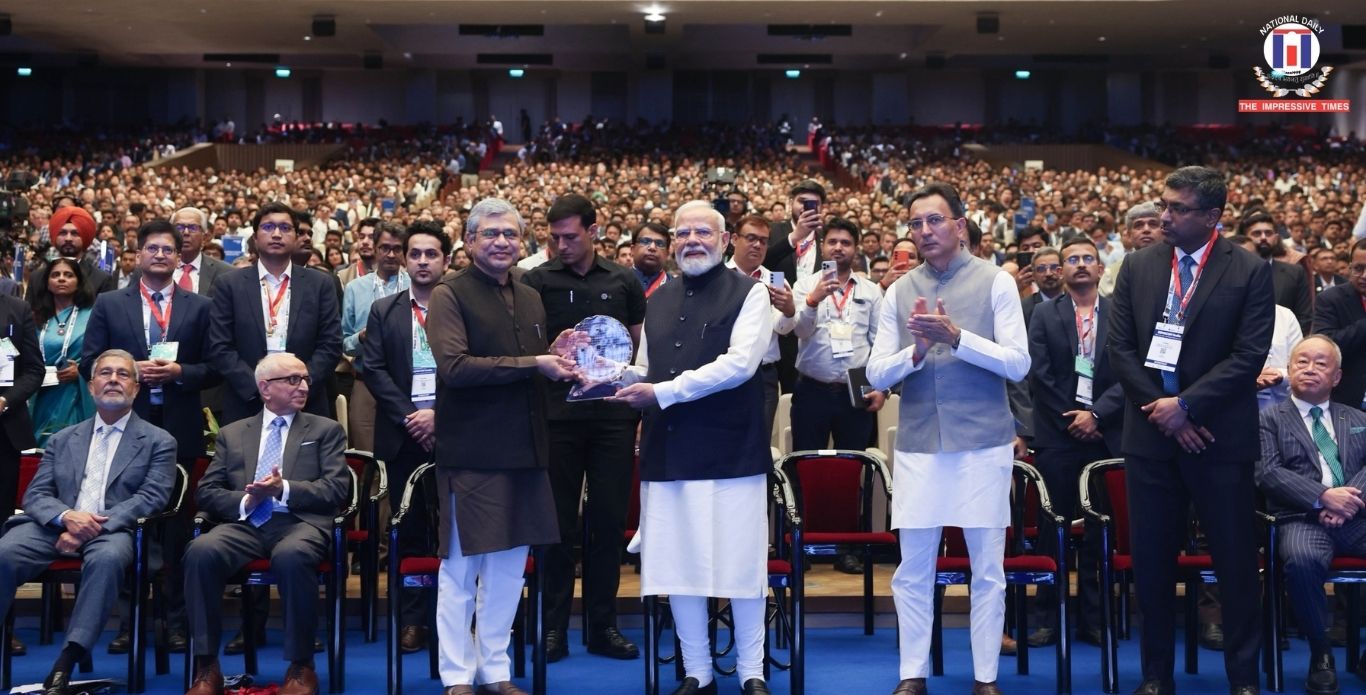
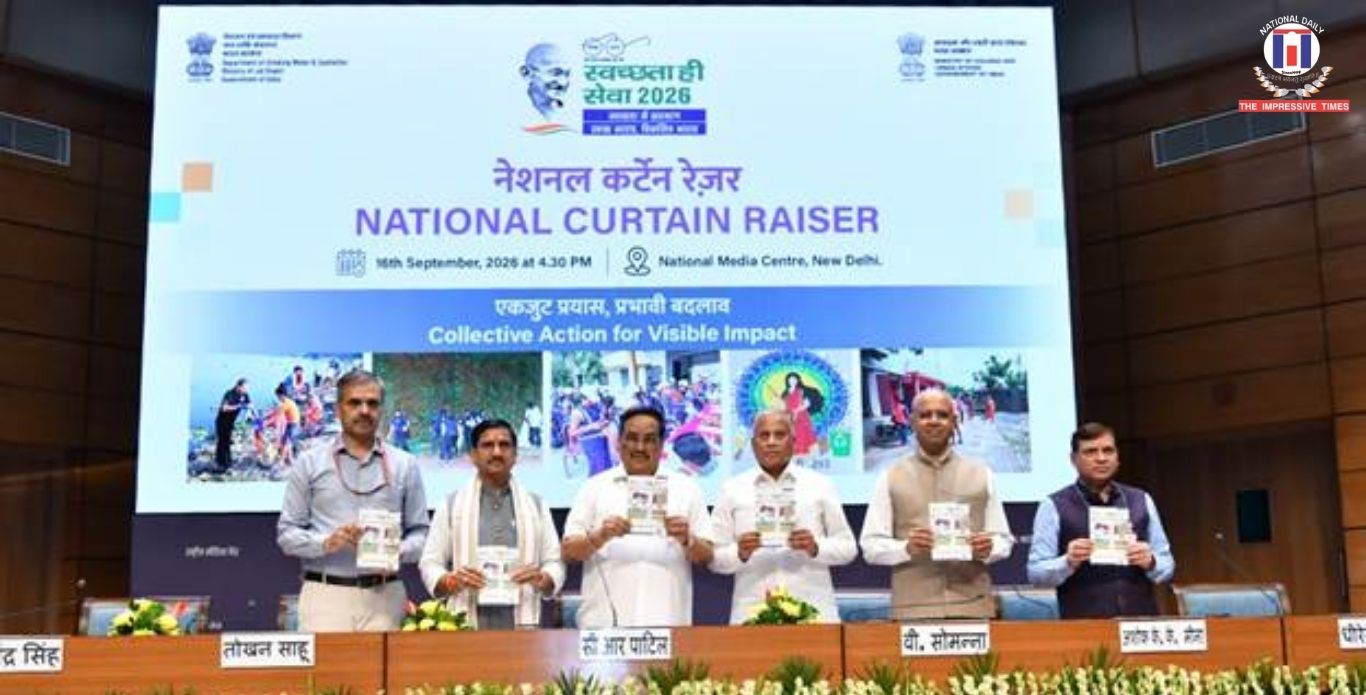
September 19th 2025, New Delhi: The Delhi government today unveiled a new Drainage Master Plan, a landmark blueprint designed to solve the national capital’s recurring urban flooding and waterlogging issues for the next 30 years. The launch was held at NDMC Convention Centre as part of the nationwide celebration of Seva Pakhwada (September 17 – October 2), marking PM Narendra Modi’s 75th birthday.
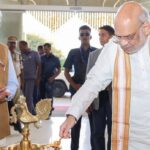
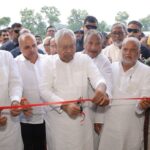
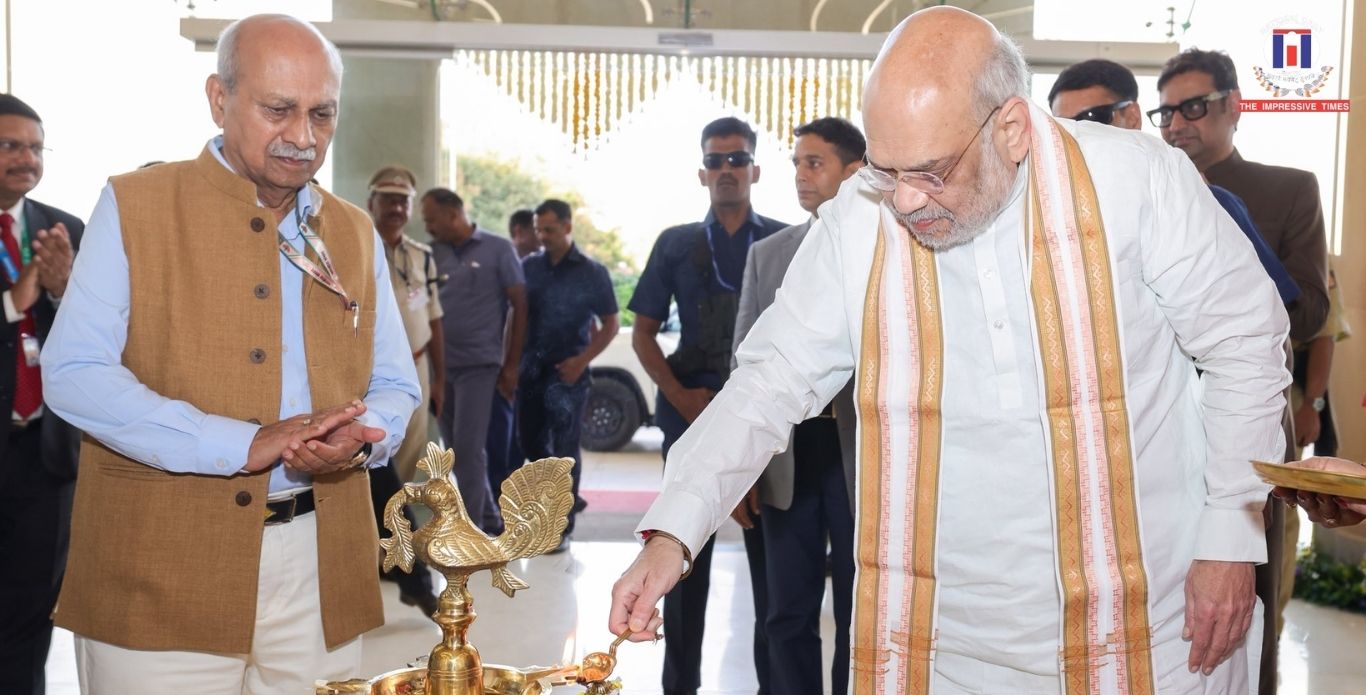
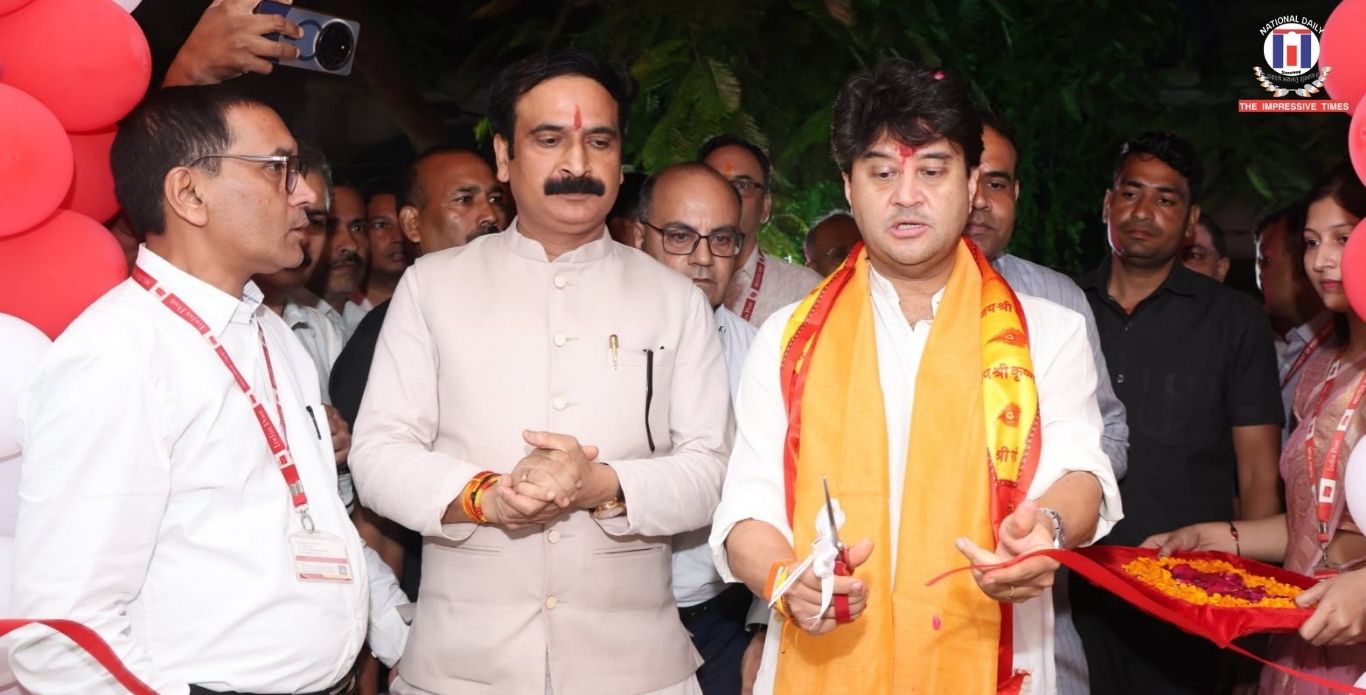
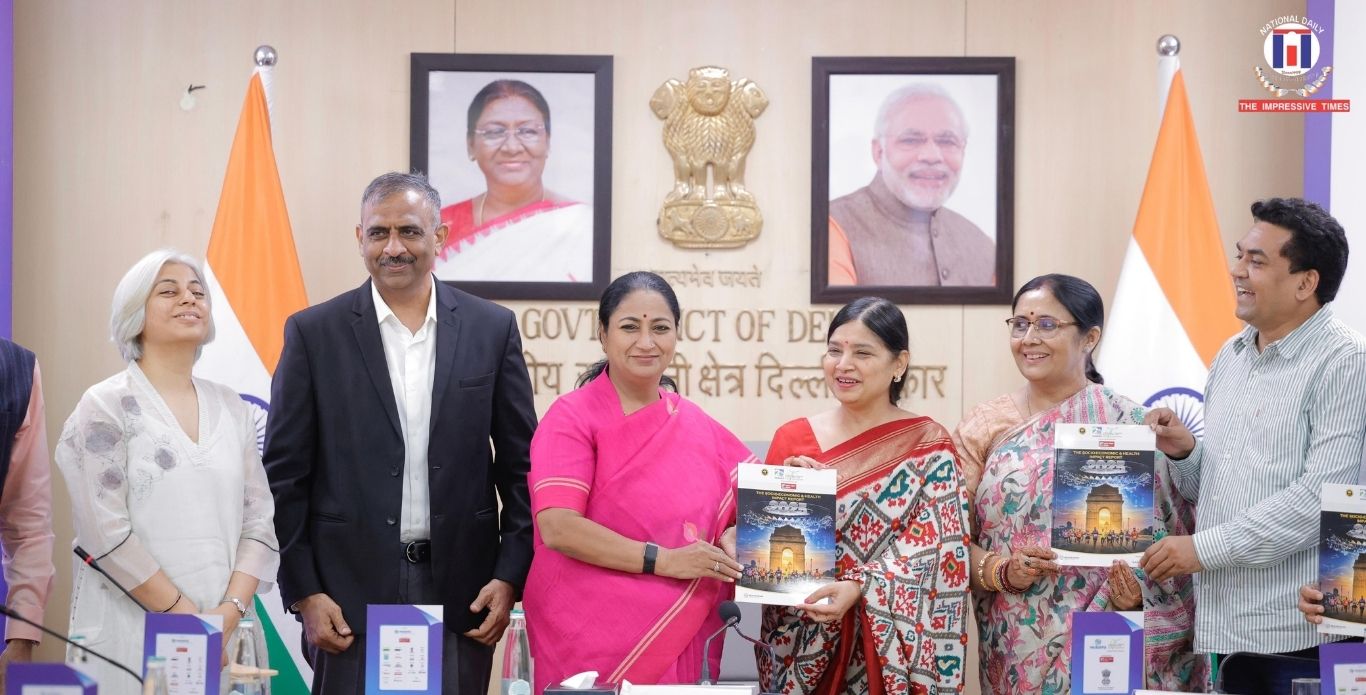
The event was graced by Minister of Housing & Urban Affairs and Power Manohar Lal, CM Smt. Rekha Gupta, and PWD and I&FC Minister Parvesh Sahib Singh, who jointly released the three separate master plans prepared for the Najafgarh, Barapullah and Trans Yamuna basins, aiming to future-proof Delhi’s drainage infrastructure for the next three decades.
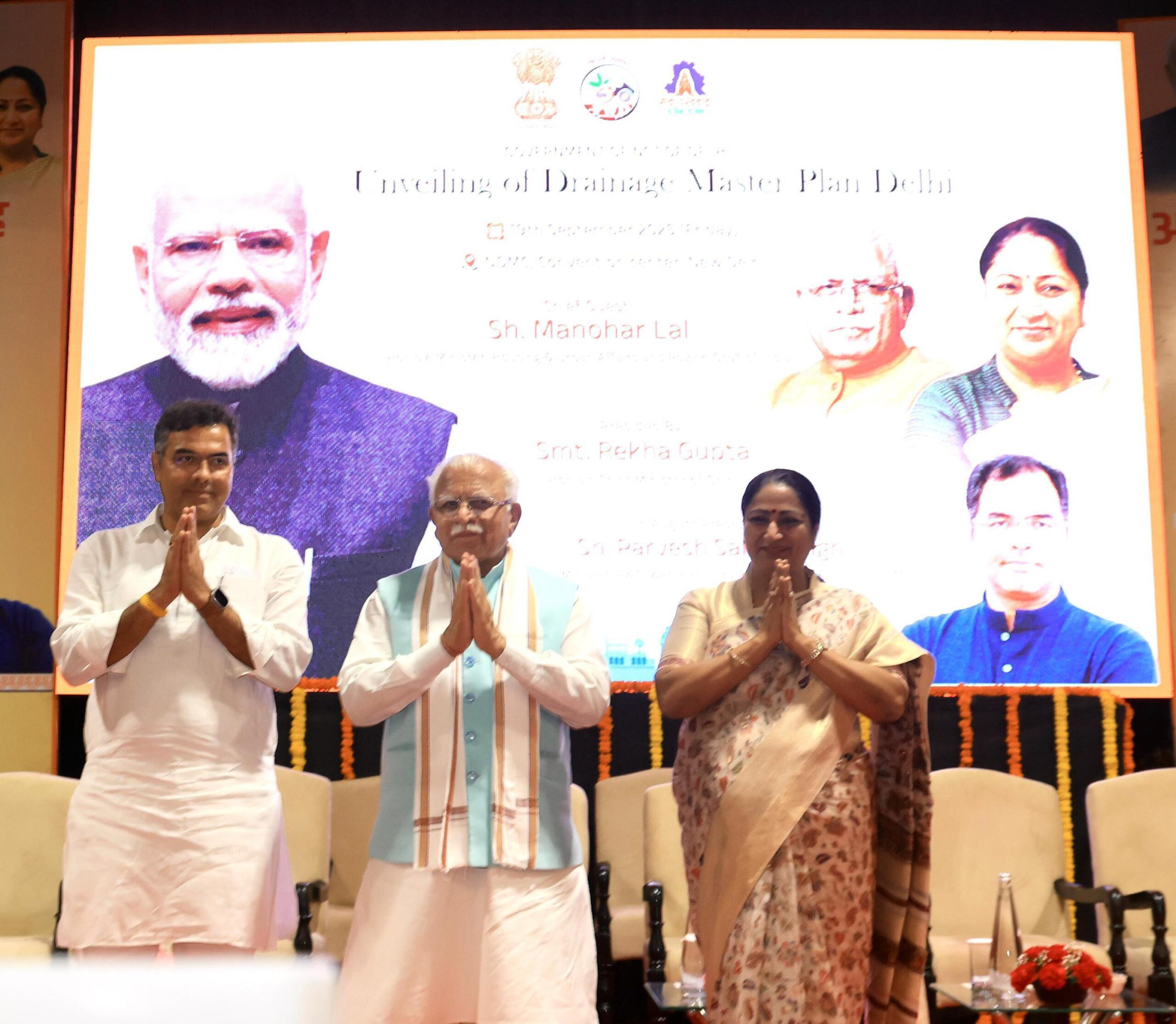
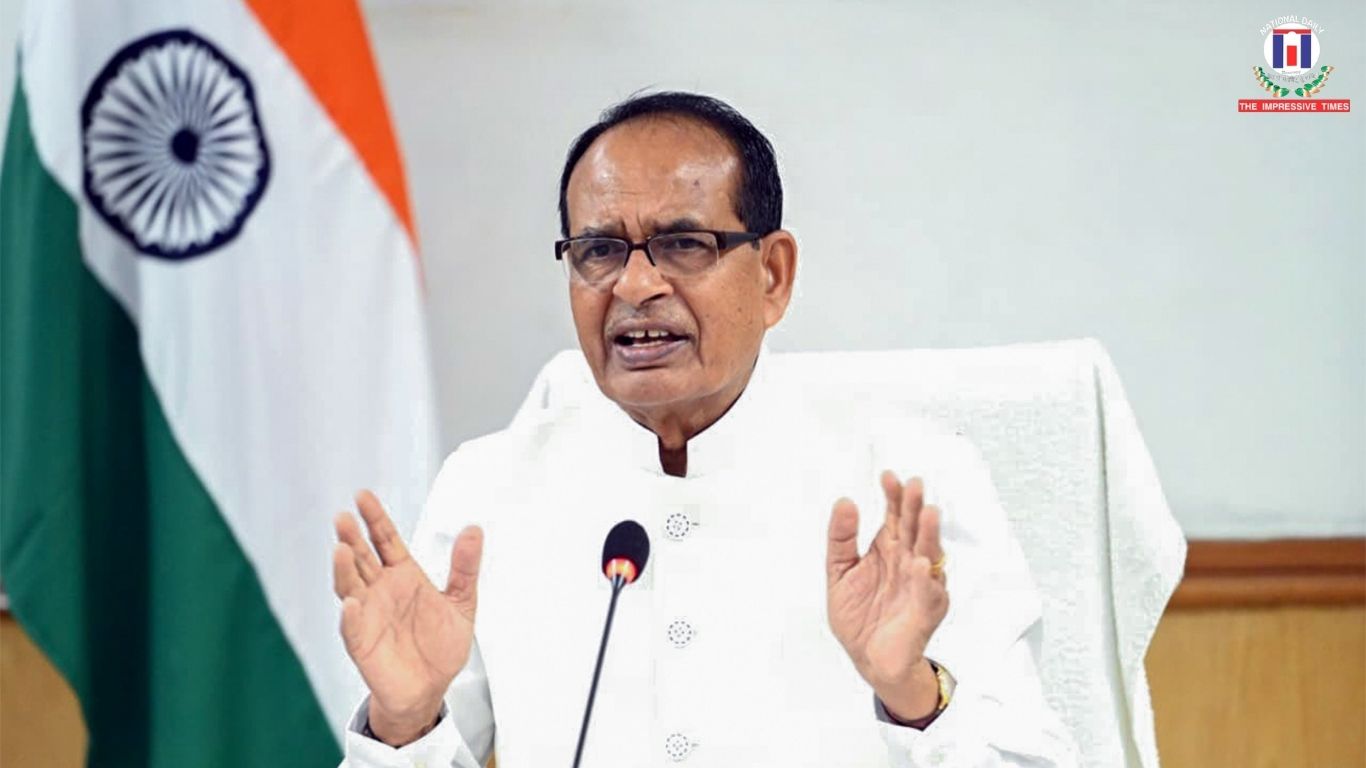
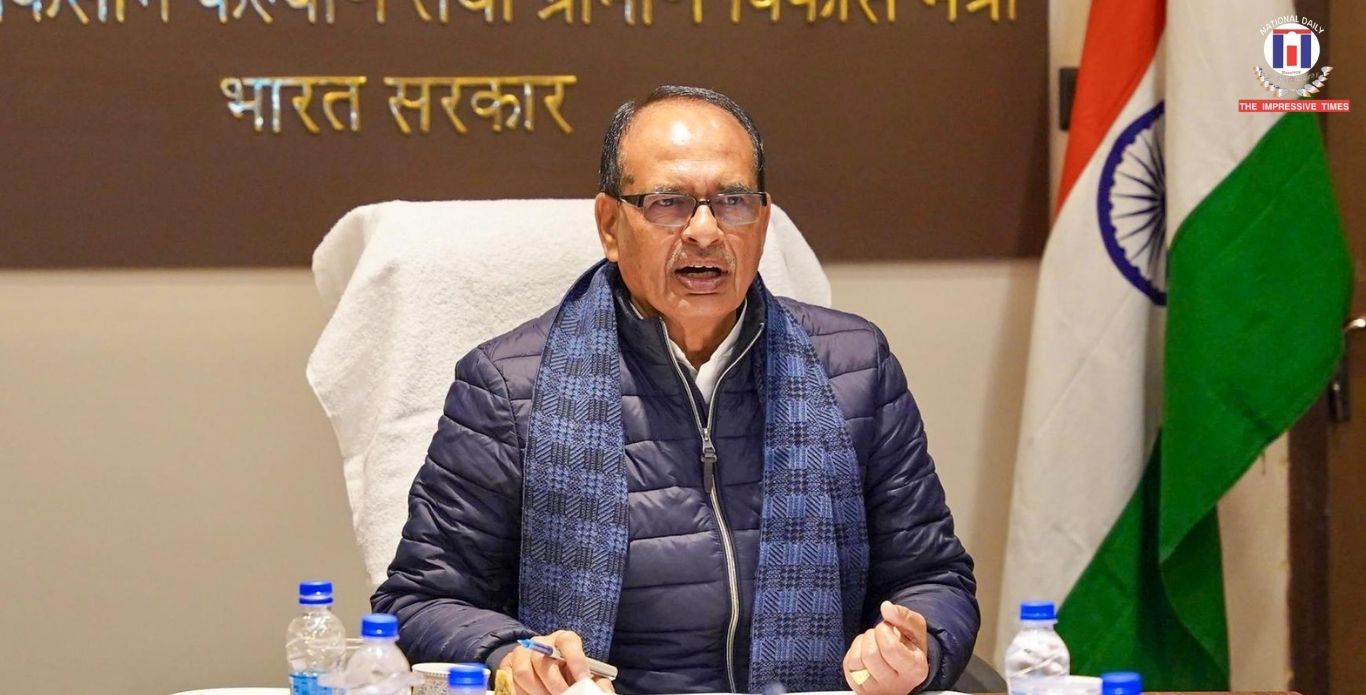
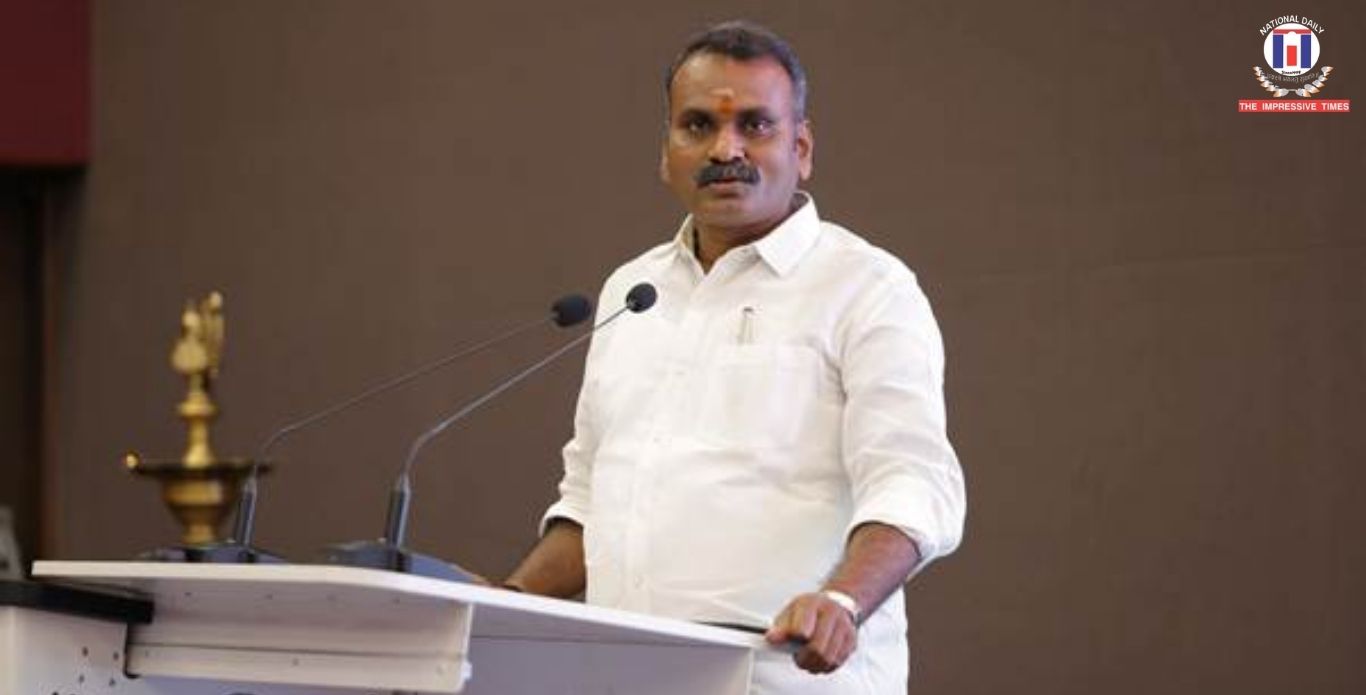
Speaking on the occasion, Hon’ble Union Minister Shri Manohar Lal said, “Water-related matters are of paramount importance for our city’s well-being, as it encompasses drinking water, rainfall drainage, and sewage systems. The new drainage master plan for Delhi is a testament to our commitment to addressing these critical issues. Prepared after years of meticulous consultation, data collection, and study, this comprehensive plan will provide a roadmap for Delhi’s drainage needs, ensuring relief from waterlogging and safeguarding the city from drainage-related challenges.”
With an estimated investment of over ₹57,000 crore, this plan is designed to tackle urban flooding, improve surface storage, reduce runoff, and upgrade primary stormwater channels, ultimately enhancing the quality of life for Delhi’s residents, the Minister added.
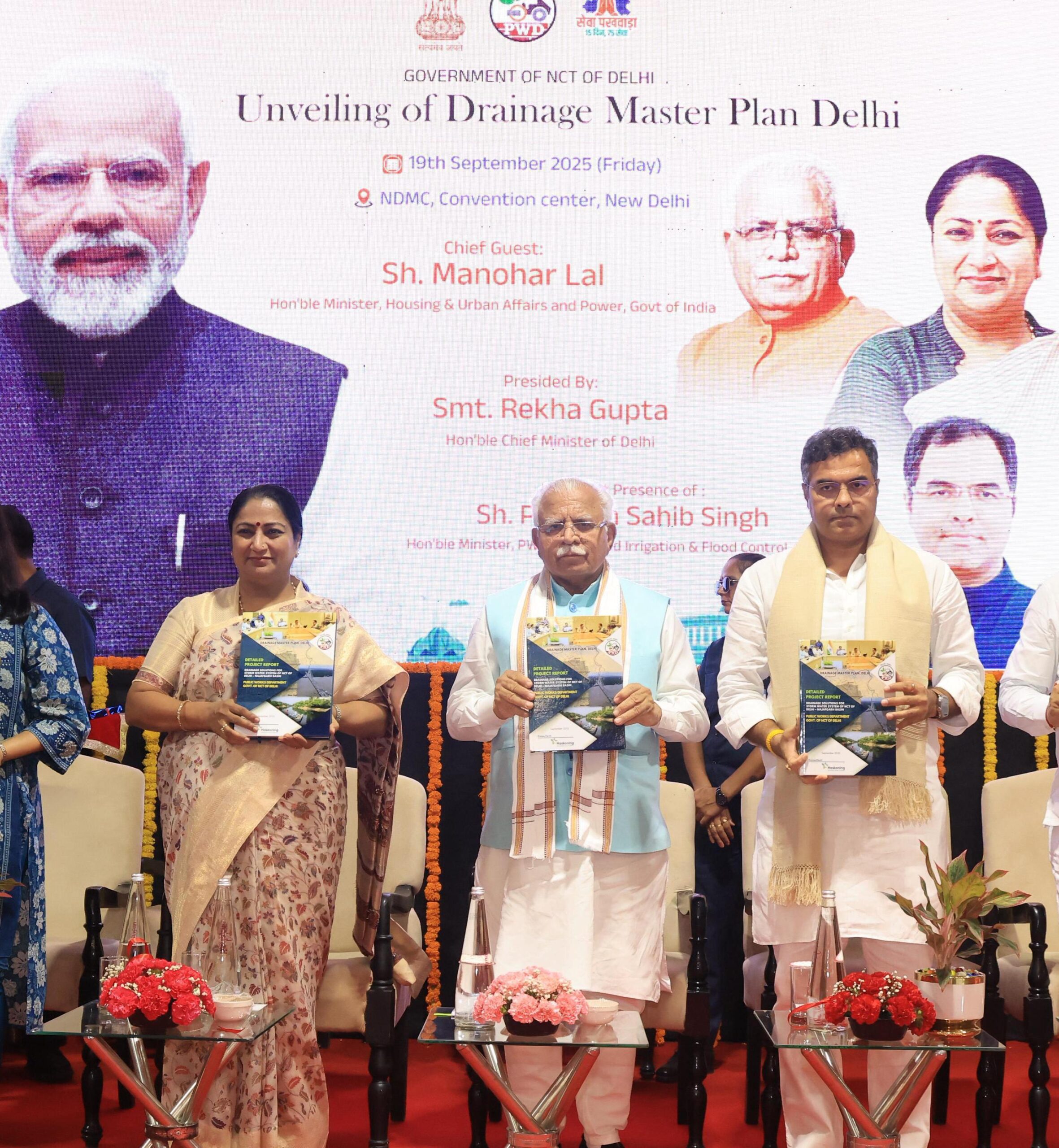
Recalling her initial review of the city’s drainage system, the Delhi Chief Minister Smt. Rekha Gupta shared her personal inspections of Barapullah Nallah, Kushak Drain, Minto Bridge, and ITO Bridge. She proudly pointed out that, for the first time, areas like Minto Bridge and ITO did not face severe waterlogging this year, a chronic issue in the past.
Announcing a major initiative, the Chief Minister stated that on September 30, as part of the Seva Pakhwada celebrations to mark Prime Minister Narendra Modi’s birthday, projects worth ₹4,000 crore would be inaugurated, including the Yamuna Rejuvenation Plan. This plan will be executed in a phased and structured manner.
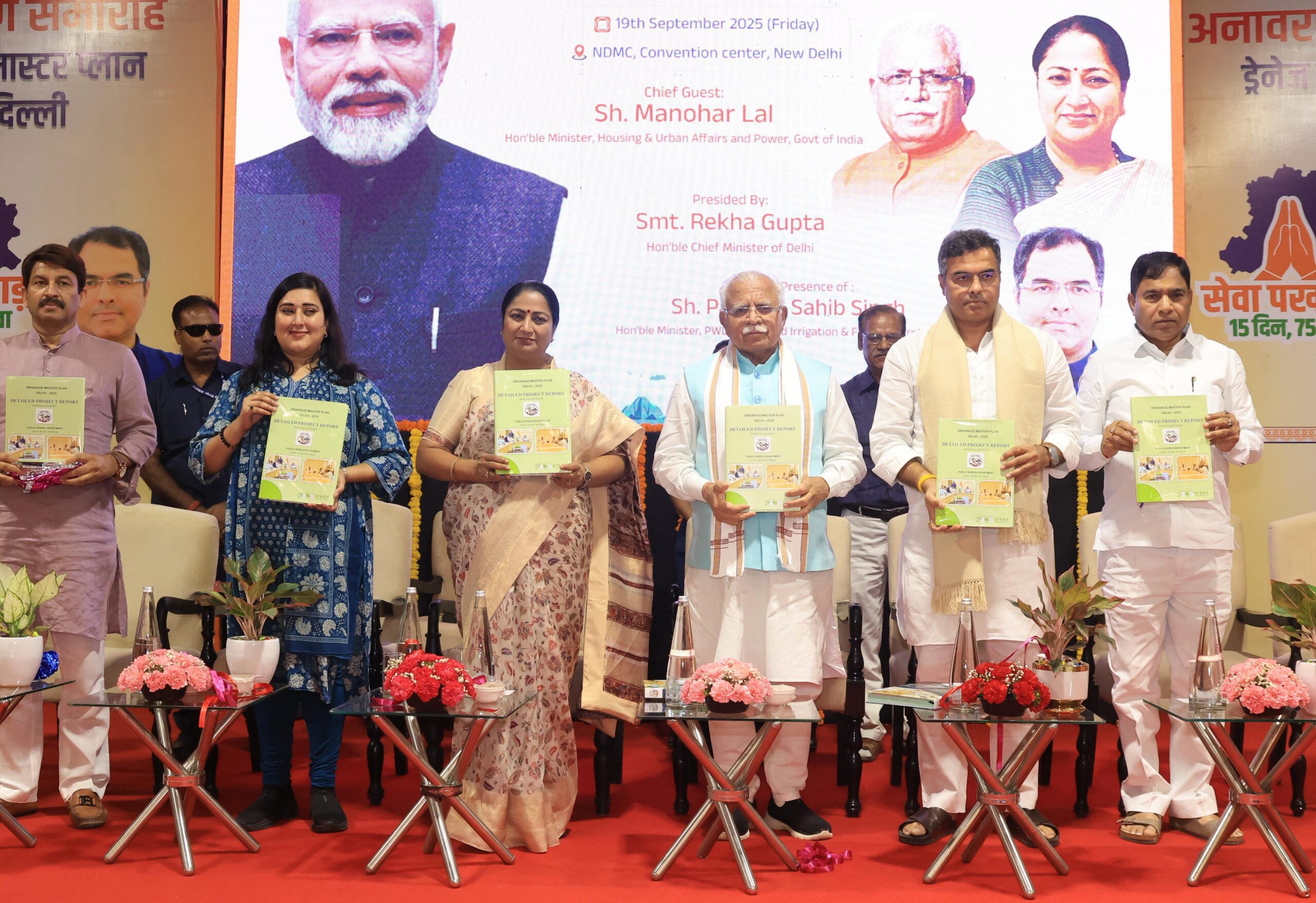
Highlighting the imperative efforts of Delhi government, Hon’ble PWD Minister Shri Parvesh Sahib Singh said, “As soon as our government was formed, we took immediate action to address Delhi’s waterlogging issues. We visited the main waterlogging points across the city and took concrete steps to resolve them. Our departments removed 20 lakh metric tons of silt from drains and desilted areas, which was then moved to C&D plants.”
He further added, “I am proud to say that despite receiving the maximum rainfall in 15 years, Delhi didn’t see any major flooding. Our integrated Drainage Masterplan is a comprehensive roadmap to ensure that Delhi remains flood-free and our citizens can live without the worry of waterlogging. This Drainage Masterplan isn’t just a plan on paper; it’s a guarantee that Delhi will remain resilient and flood-free for generations to come. And soon, we will also be bringing a Sewer Master Plan and Water Master Plan for Delhi, to complement this drainage framework and ensure a complete, future-ready water management system for the city.”
It is pertinent to note that Delhi’s last comprehensive drainage plan was prepared in 1976, when the city’s population was just 60 lakh. Today, with the population nearing 2.5 crores and rapid urbanization, this new plan has become an urgent requirement.
Prepared by the PWD in consultation with eight civic agencies including Irrigation & Flood Control, MCD, DDA, NHAI, DJB and NDMC, the new Drainage Master Plan covers the entire 18,958 km drainage network of Delhi. It includes detailed feasibility studies identifying causes of waterlogging, rainfall patterns, and bottlenecks, along with actionable recommendations.
Notably, extensive topographic and field surveys have been carried out, mapping pipelines, drains, invert levels, and road levels to create precise engineering interventions that address both current challenges and future growth.
For implementation, the city has been divided into three major basins Najafgarh, Barapullah, and Trans-Yamuna for scientific redesign. Once the Detailed Project Report (DPR) is approved by the government, PWD will invite tenders from private firms to begin on-ground execution and turn this plan into a long-term solution for Delhi’s drainage needs.




















No Comments: