Jayant Chaudhary Launches NITI Aayog’s Roadmap on AI for Inclusive Societal Development
Mission Digital ShramSetu Proposed to Bridge Skill and Technology Gaps


 The Impressive Times
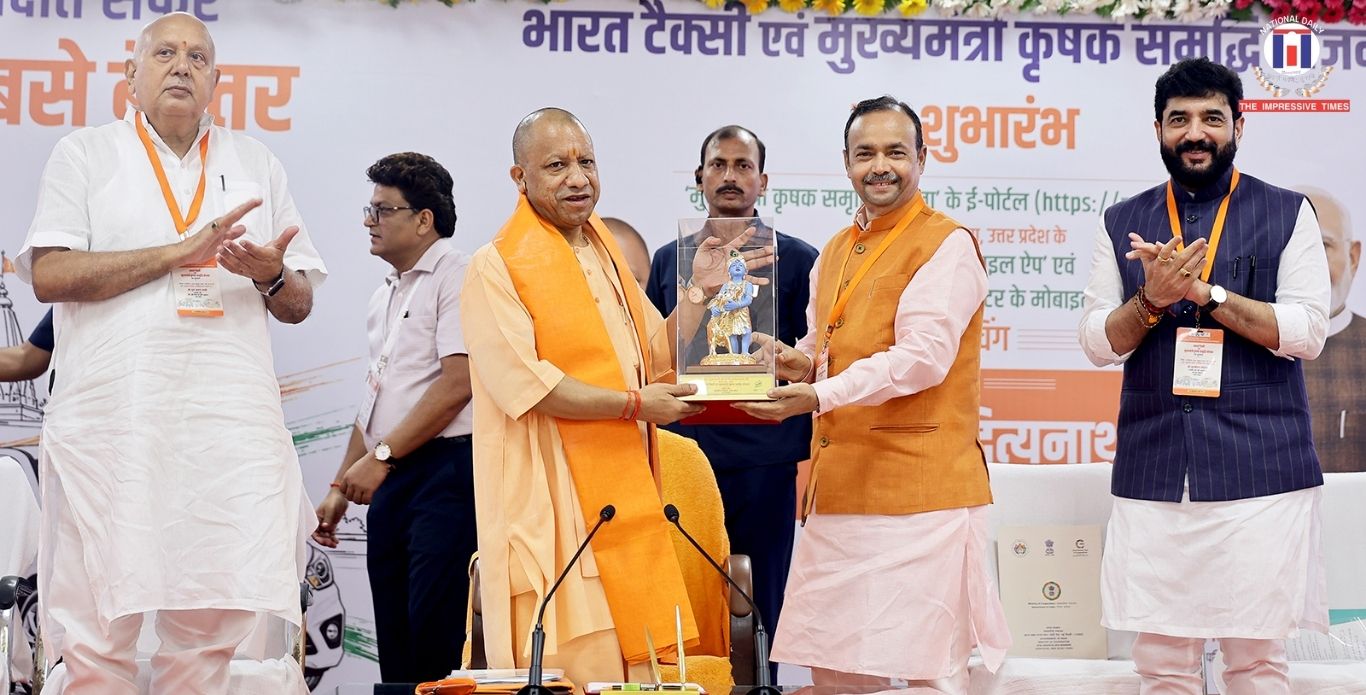
Delhi- Minister of State (Independent Charge) for Skill Development & Entrepreneurship and Minister of State for Education, Jayant Chaudhary, along with NITI Aayog Vice Chairperson Suman Bery, launched NITI Aayog’s Frontier Tech Hub study titled “AI for Inclusive Societal Development”, developed in partnership with Deloitte.
The launch event was attended by senior officials including Debashree Mukherjee, Secretary, Ministry of Skill Development and Entrepreneurship; Vandana Gurnani, Secretary, Ministry of Labour and Employment; S. Krishnan, Secretary, Ministry of Electronics and Information Technology; B.V.R. Subrahmanyam, CEO, NITI Aayog; and Debjani Ghosh, Distinguished Fellow at NITI Aayog and Chief Architect of the Frontier Tech Hub. Their presence underscored the government’s collaborative approach to advancing skill development through technology-enabled learning and industry partnerships.
The report marks a pioneering effort to explore how Artificial Intelligence (AI) and frontier technologies can enhance livelihoods and inclusion for India’s 490 million informal workers — the foundation of the nation’s economy. While global AI discussions often focus on the formal workforce, this study shifts attention to informal sectors that contribute nearly half of India’s GDP yet remain underserved in terms of protection and opportunity.
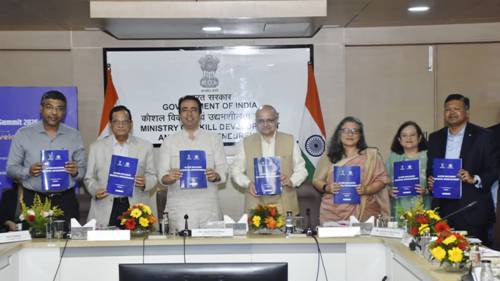
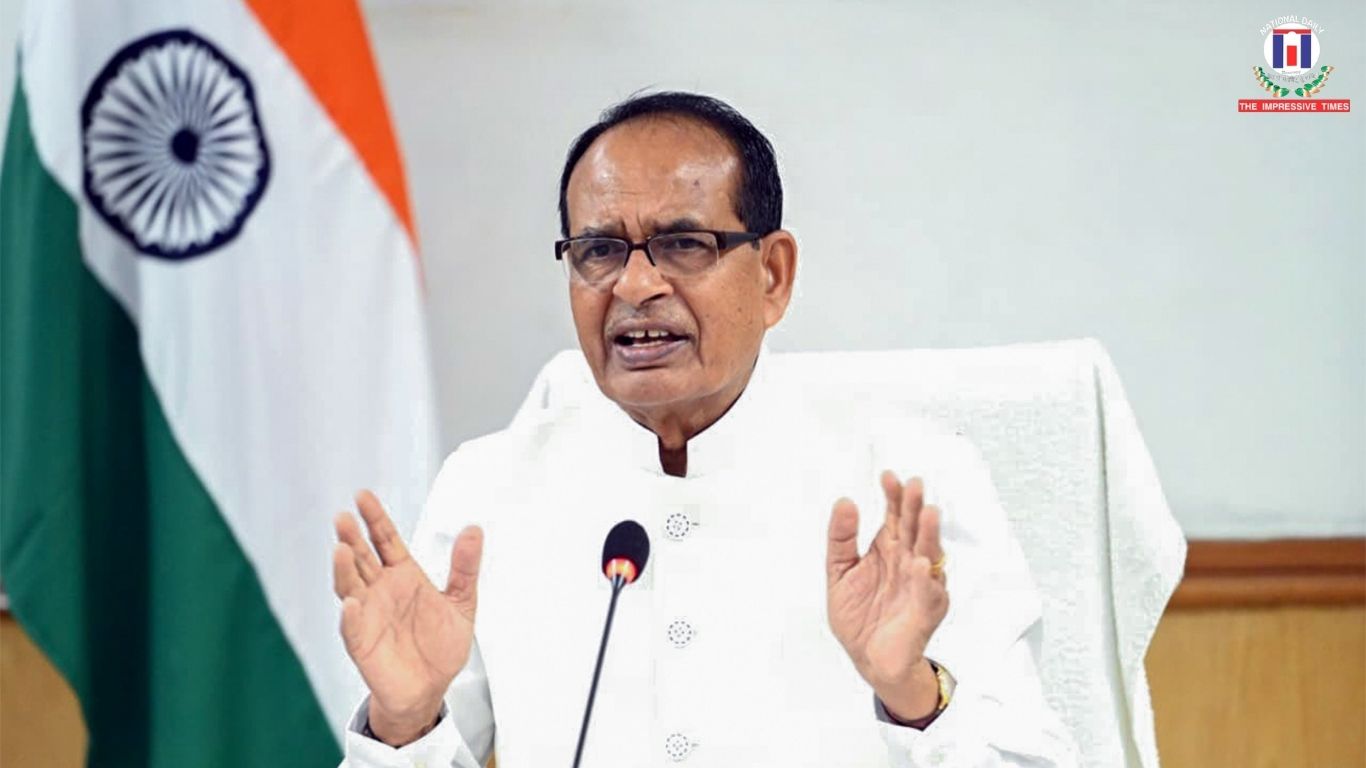
Jayant Chaudhary highlighted that the roadmap aligns with the vision of Viksit Bharat 2047, offering a strategic framework to use AI for productivity and inclusion in the informal economy. He emphasized that empowering informal workers is both an economic necessity and a moral responsibility.
“Digital skilling in AI for workers perfectly complements our national skilling mission by making learning adaptive, accessible, and demand-driven. By uniting government, industry, and civil society, we aim to ensure every worker—from farmers to artisans to healthcare aides—has the tools and opportunities to succeed in tomorrow’s digital economy,” he said.
The Frontier Tech Hub report stresses that AI alone cannot transform the informal sector without human intent, targeted investments, and a supportive ecosystem. To address this, NITI Aayog has proposed Mission Digital ShramSetu—a national initiative to make AI accessible, affordable, and beneficial for every worker. The mission seeks to harness technologies like AI, blockchain, and immersive learning to overcome challenges such as financial insecurity, limited skilling, and restricted market access, while ensuring digital empowerment and dignity at work.
The roadmap calls for coordinated efforts across government, academia, industry, and civil society to make AI a true equalizer. It warns that without immediate action, the average annual income of informal workers may remain around $6,000 by 2047—well below the $14,500 benchmark required for India to achieve high-income status.
NITI Aayog CEO B.V.R. Subrahmanyam emphasized that collaboration is “non-negotiable” for real impact, noting that sustainable transformation requires innovation, research, and large-scale reskilling initiatives.
Debjani Ghosh added that achieving the Viksit Bharat 2047 vision depends on ensuring that India’s 490 million informal workers are at the heart of technological advancement.
“This roadmap is unique because it places their voices and aspirations at the center of the AI conversation, turning promise into action,” she stated.






























No Comments: