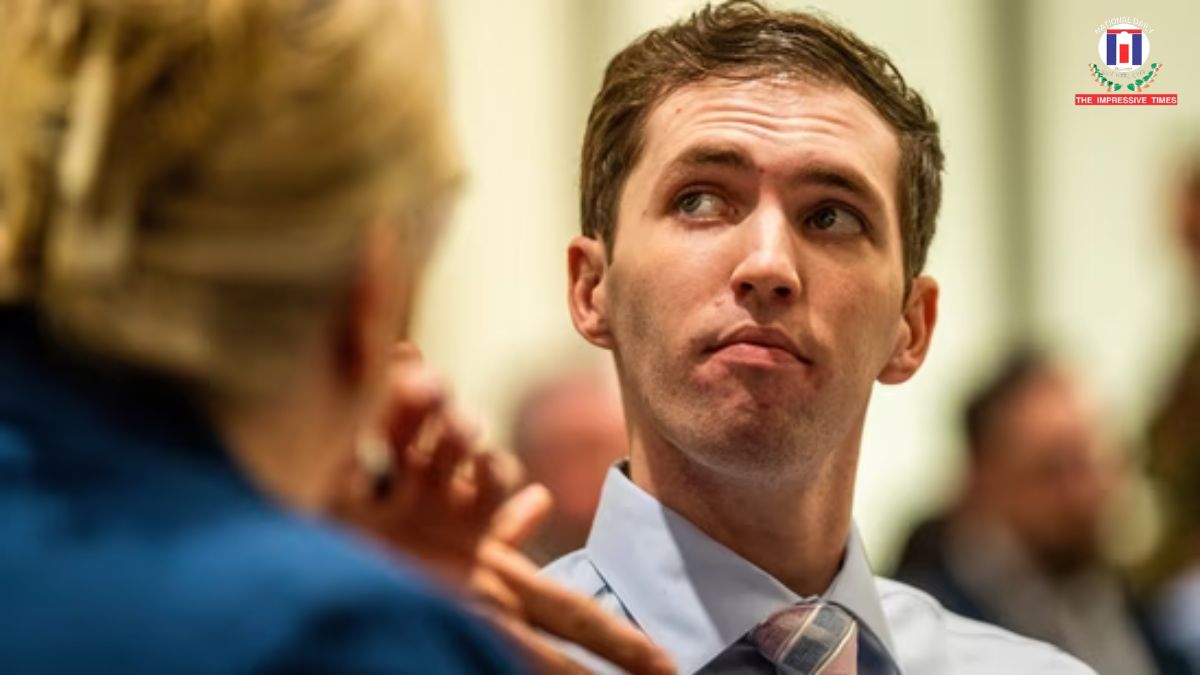
Uthah: The man accused of killing Charlie Kirk has approached the court seeking a ban on cameras inside the courtroom, arguing that extensive media coverage is undermining his right to a fair trial. Tyler Robinson, who faces aggravated murder charges, is scheduled to appear in court as his legal team pushes for restrictions on live broadcasts of the proceedings.
Robinson’s attorneys contend that continuous livestreaming and sensational reporting have the potential to influence prospective jurors. In their submission, they cited instances of media coverage that allegedly misrepresented courtroom events, including a report that relied on lip-reading analysis to claim the accused made incriminating remarks—despite the conversation being inaudible in court.
The defense has argued that such reporting goes beyond public interest and veers into sensationalism, potentially damaging Robinson’s presumption of innocence. They maintain that the primary effect of live broadcasts has been to shape public perception against the accused, rather than ensure transparency in judicial proceedings.
Prosecutors, media organisations, and members of Kirk’s family, however, have opposed the request, asserting that open access to court proceedings helps counter misinformation and maintains public trust in the legal process. They argue that transparency, including camera access, is essential in high-profile cases.
The issue has already created friction during earlier hearings, where the presiding judge intervened multiple times over camera conduct, including halting livestreams and restricting certain visuals that violated courtroom decorum rules. These incidents have added weight to the defense’s concerns about how visual coverage may be interpreted outside the courtroom.
Legal experts note that while courts are generally open to the public, the decision to allow cameras varies by jurisdiction and often rests with the judge. In this case, the court will need to balance the principles of transparency with the accused’s right to an impartial trial.
Robinson has not yet entered a plea in the case, and prosecutors have indicated they may seek the death penalty if he is convicted. As proceedings continue, the court’s decision on media access is likely to play a significant role in shaping how the trial unfolds in the public eye.

 The Impressive Times









































No Comments: