TIT Correspondent
info@impressivetimes.com
Navratri is bringing a vibrant mix of colour, culture and creativity to festive wardrobes, with traditional Indian outfits getting a contemporary makeover this season. As Garba and Dandiya celebrations fill the evenings with music and energy, fashion enthusiasts are experimenting with expressive silhouettes, statement accessories and versatile ethnic wear that combines style with comfort.
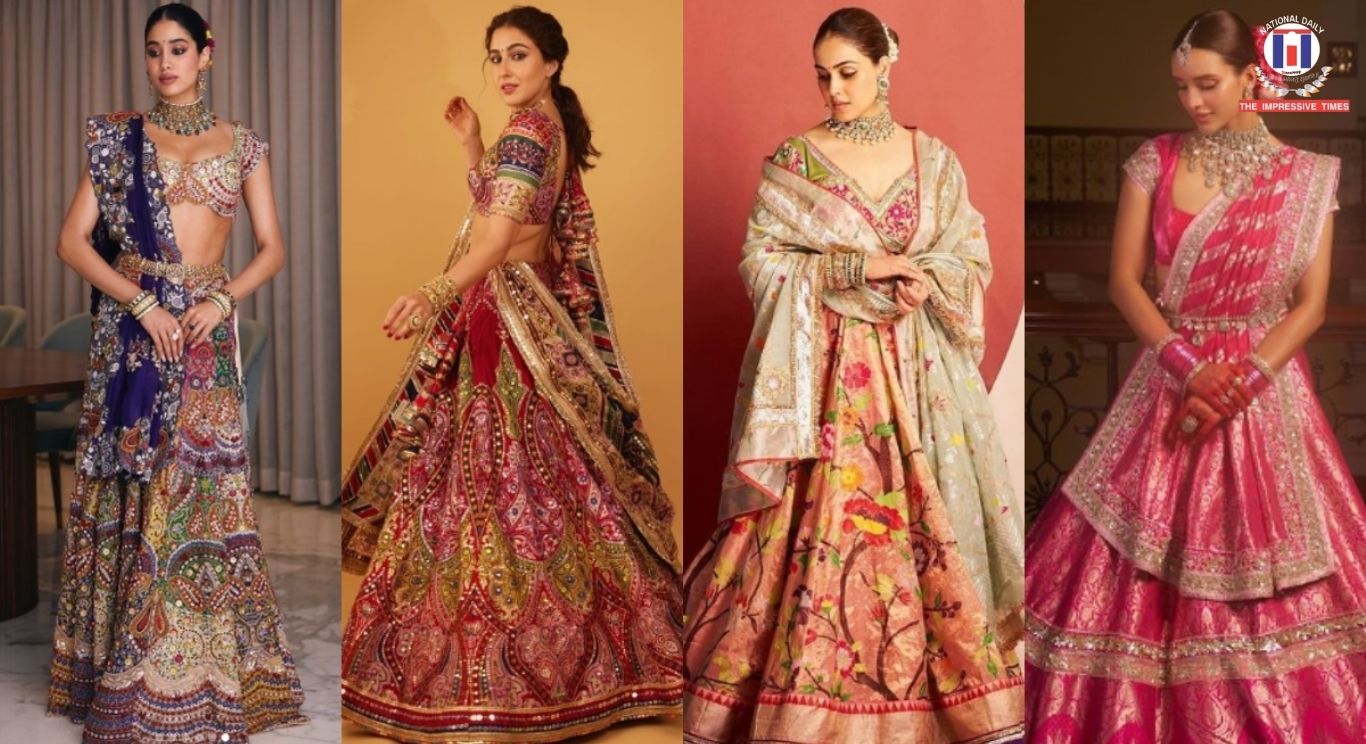
The classic chaniya choli continues to be a favourite for Navratri celebrations, but the styling possibilities have expanded. From mirror-work lehengas and Bandhani prints to Indo-Western ensembles and modern blouse designs, the focus is on creating distinctive looks without losing the traditional charm of the festival.
Chaniya Choli Gets a Contemporary Makeover
The traditional chaniya choli remains one of the most recognisable outfits associated with Navratri. Its colourful patterns, flowing skirts and intricate detailing make it a natural choice for Garba nights. This season, however, fashion-conscious wearers are giving the classic ensemble a fresh interpretation.
Mirror work, thread embroidery, colourful borders and traditional prints continue to add character to festive outfits. At the same time, modern blouse cuts, contrasting dupattas and lighter skirts are creating new styling opportunities.
For those who prefer a striking look, a brightly coloured lehenga paired with an embroidered blouse can make a statement. Those who favour understated elegance can opt for simpler designs with carefully placed embellishments. The idea is to let traditional craftsmanship stand out while choosing an outfit that reflects individual taste.
Indo-Western Fashion Brings a Fresh Twist
Indo-Western clothing is another appealing option for people looking to move beyond conventional festive dressing. By combining Indian fabrics and embroidery with contemporary silhouettes, these outfits offer a balance between tradition and modern fashion.
A flared skirt paired with a crop top, an embroidered jacket worn over a simple ethnic set, or a contemporary kurta teamed with wide-leg trousers can create an effortlessly festive appearance. Peplum tops, asymmetrical cuts and fusion separates also provide alternatives to heavier traditional ensembles.
One of the biggest advantages of Indo-Western styling is versatility. Individual pieces can be mixed and matched for different occasions, making them useful beyond the nine days of Navratri. A statement jacket, for instance, can transform a simple outfit into a celebration-ready look without requiring an entirely new wardrobe.
Statement Jewellery Makes All the Difference
Jewellery plays an important role in completing a Navratri outfit, often turning a simple ensemble into a festive statement. Oxidised silver earrings, oversized jhumkas, layered necklaces, colourful bangles and decorative maang tikkas remain popular choices for traditional styling.
For a colourful chaniya choli, oxidised jewellery can create a striking contrast, while gold-toned accessories complement outfits with warmer shades and intricate embroidery. Chunky necklaces and statement earrings can also add personality to contemporary fusion outfits.
The key is to maintain balance. An outfit featuring heavy embroidery or a detailed neckline may need only bold earrings or a statement cuff. Simpler clothing, on the other hand, offers more room to experiment with layered necklaces and eye-catching accessories.
Choosing jewellery that feels comfortable is equally important, particularly for those planning to dance for several hours. Lightweight pieces and securely fastened earrings can help keep the focus on enjoying the celebrations.
Colours and Prints Bring Festive Energy
Navratri is closely associated with vibrant colours, and festive dressing often reflects this lively atmosphere. Shades of red, yellow, green, orange, royal blue and pink offer plenty of possibilities for creating eye-catching combinations.
Bandhani-inspired patterns, colourful embroidery and contrasting borders can add a traditional touch, while pastel shades and neutral bases provide a softer alternative. Those who enjoy experimenting with fashion can combine a solid-coloured skirt with a printed blouse or pair a bright outfit with a contrasting dupatta.
The festival’s daily colour tradition also offers inspiration for planning different looks. Rather than buying a completely new outfit for every day, wearers can incorporate the designated colour through a dupatta, blouse, jewellery or other accessories.
This approach allows fashion enthusiasts to participate in the festive tradition while making practical use of their existing wardrobes.
Comfort Becomes Essential for Garba and Dandiya
While festive fashion encourages experimentation, comfort remains an important consideration for Navratri celebrations. Garba and Dandiya involve continuous movement, making lightweight fabrics, manageable dupattas and well-fitted outfits particularly useful.
Flowing skirts that allow easy movement, breathable fabrics and secure blouse fittings can make long evenings more comfortable. Footwear also deserves attention. Embellished flats or supportive footwear may be more practical than uncomfortable heels when dancing for extended periods.
Dupattas should be pinned securely to prevent them from slipping during energetic dance routines. Jewellery should also be chosen with movement in mind, avoiding pieces that are excessively heavy or likely to get caught in clothing.
A well-planned outfit should look appealing while allowing the wearer to participate freely in the celebrations.
Sustainable Styling and Budget-Friendly Fashion
Navratri fashion does not necessarily require a new wardrobe. Reworking existing ethnic wear can be an economical way to create fresh looks throughout the festival.
A familiar lehenga can look different when paired with a contrasting blouse or a new dupatta. A simple kurta set can be elevated with statement jewellery, while a traditional skirt can be styled with a contemporary top for an Indo-Western appearance.
Reusing festive clothing, investing in versatile accessories and choosing pieces that can be worn on multiple occasions also helps reduce unnecessary purchases. Handcrafted accessories and traditional textiles can add individuality to an outfit without relying entirely on elaborate embellishments.
For shoppers working with a limited budget, concentrating on one standout element—such as a colourful skirt, embroidered jacket or statement necklace—can be more effective than buying a complete ensemble.
Personal Style Is the Real Fashion Statement
Navratri fashion in 2026 offers plenty of room for individual expression, whether through a traditional chaniya choli, a contemporary fusion outfit or a simple ethnic ensemble styled with bold accessories. The most effective looks are those that combine festive character with personal comfort and creativity.
As celebrations continue, the emphasis is on finding a balance between heritage and modernity. Traditional prints and craftsmanship keep cultural influences alive, while updated silhouettes and versatile styling make festive dressing relevant to a new generation.
Ultimately, the best Navratri outfit is not necessarily the most expensive or elaborate one. It is the one that allows people to celebrate confidently, move comfortably and enjoy the spirit of the festival while expressing their own sense of style.






No Comments: