“Revenge Bedtime Procrastination”: Why People Stay Awake Even When They’re Tired
Revenge bedtime procrastination explains why tired people stay awake for personal time. Know the causes, signs and ways to break the late-night cycle.

 The Impressive Times
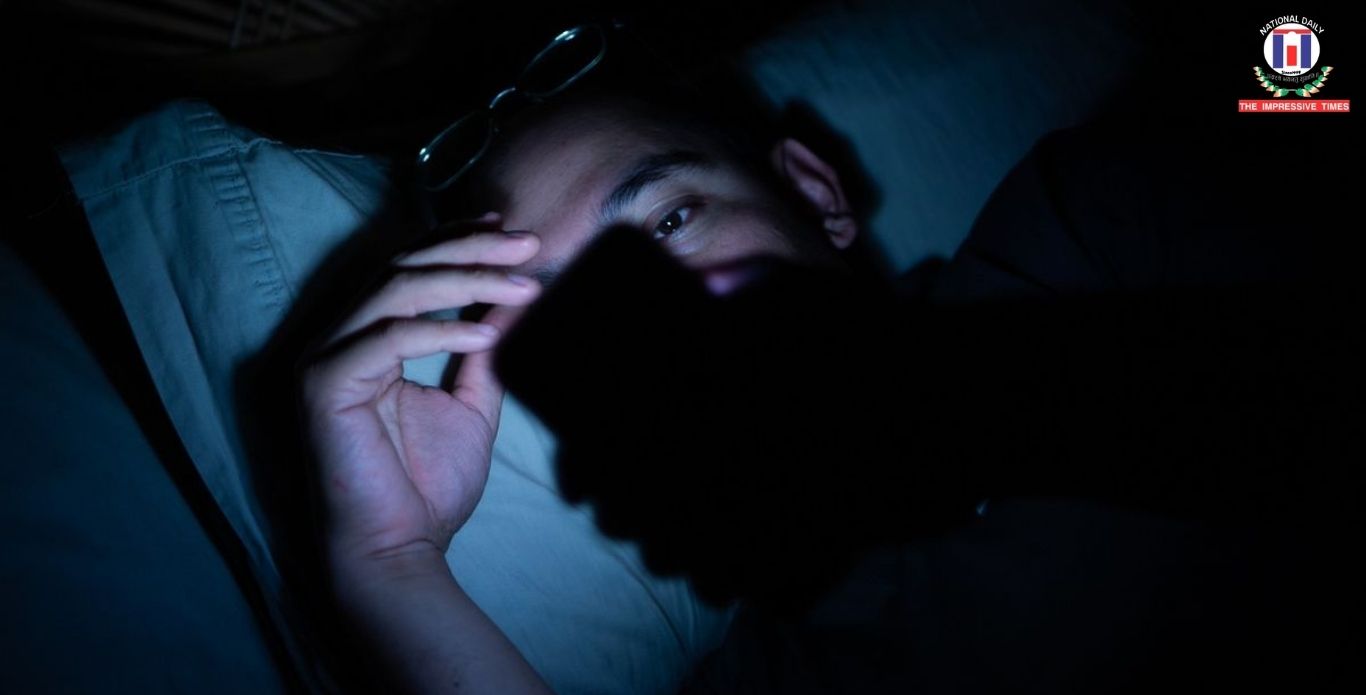
New Delhi: You know you are tired. You know you have to wake up early the next morning. You even know that scrolling through your phone at midnight will probably make you feel worse the next day. Yet, instead of going to sleep, you keep watching one more video, checking social media or starting another episode.
This habit has a name: “revenge bedtime procrastination.”
The term describes a pattern in which people deliberately delay going to bed even though they have no practical reason to stay awake. The late-night hours can feel like the only part of the day that truly belongs to them.
What is revenge bedtime procrastination?
Revenge bedtime procrastination is essentially putting off sleep to gain personal time.
It often happens after a busy day when work, studies, household responsibilities or social commitments leave little time for relaxation.
Once everything is finally done, bedtime can feel like the moment when the day is ending—and some people are reluctant to give that time away.
So instead of sleeping, they choose activities they enjoy.
It could be watching reels, playing games, chatting with friends, watching a series, listening to music or simply lying in bed and browsing the internet.
Why do people do it?
One of the biggest reasons is a lack of free time during the day.
Someone may spend the entire day working or studying and have very little opportunity to do something purely for themselves. Late at night, when responsibilities disappear, they finally get some uninterrupted personal time.
This can create a strange trade-off: “I need sleep, but I also need some time for myself.”
The desire for personal time can win, especially when the consequences—being tired tomorrow—feel distant.
The role of smartphones
Phones can make the habit much easier to maintain.
Social media platforms, short videos, streaming services and endless notifications provide an almost unlimited supply of entertainment.
A person may initially plan to spend only five minutes on their phone before sleeping. But because there is always another video or post waiting, those five minutes can quickly become thirty minutes or more.
The problem is not necessarily the phone itself. It is the combination of easy entertainment, habit and delayed bedtime.
Why does it feel so satisfying at night?
Night-time often comes with fewer demands.
Nobody is asking for your attention. There are fewer work messages, fewer responsibilities and fewer interruptions.
For someone who feels that their day was controlled by work, studies or other obligations, staying awake can feel like reclaiming that lost time.
That is why the word “revenge” is used in the phrase. The person may feel as though they are taking back time from a day that did not give them enough freedom.
But the next morning tells a different story
The immediate reward is extra leisure time. The cost comes later.
Going to bed late can reduce total sleep and make the following morning more difficult. Repeatedly cutting sleep short can affect daytime alertness, mood and concentration.
This can create a cycle:
Busy day → little personal time → staying up late → less sleep → tired day → reduced productivity → another busy evening.
And the cycle can repeat.
How can you break the habit?
The solution does not necessarily have to be “just go to bed earlier.”
A more realistic approach is to create some intentional personal time before bedtime.
For example, instead of waiting until everything is finished at night, you could reserve 30 minutes in the evening for something you genuinely enjoy.
Other simple strategies include:
The goal is not to remove all entertainment from your night. It is to make sure relaxation does not come at the expense of necessary sleep.
Is staying up late always revenge bedtime procrastination?
Not necessarily.
Sometimes people stay awake because of work schedules, insomnia, anxiety, physical discomfort or other sleep-related issues. Deliberately delaying bedtime for personal leisure is different from being unable to sleep.
If sleep problems are persistent or significantly affect daily life, it may be worth discussing them with a healthcare professional.
The bigger lifestyle trend
The popularity of the term reflects something bigger than late-night scrolling.
Modern life can leave people feeling that their daytime hours belong to employers, classes, family responsibilities and endless tasks. Night-time can become the only period when they feel completely free.
That makes the trend less about loving late nights and more about not having enough time for yourself during the day.
Perhaps the real solution is not simply an earlier bedtime—but finding small pockets of personal time before the clock reaches midnight.
Because sometimes the person staying awake at 1 a.m. isn’t refusing to sleep. They are simply refusing to let the day end without getting any time for themselves.















































No Comments: