Ashwini Vaishnaw Unveils Eight New Railway Reforms to Boost Freight, Logistics and Private Investment
'Reform Express' expands to 17 structural reforms with focus on containerisation, cleaner freight transport, faster project execution and innovation.
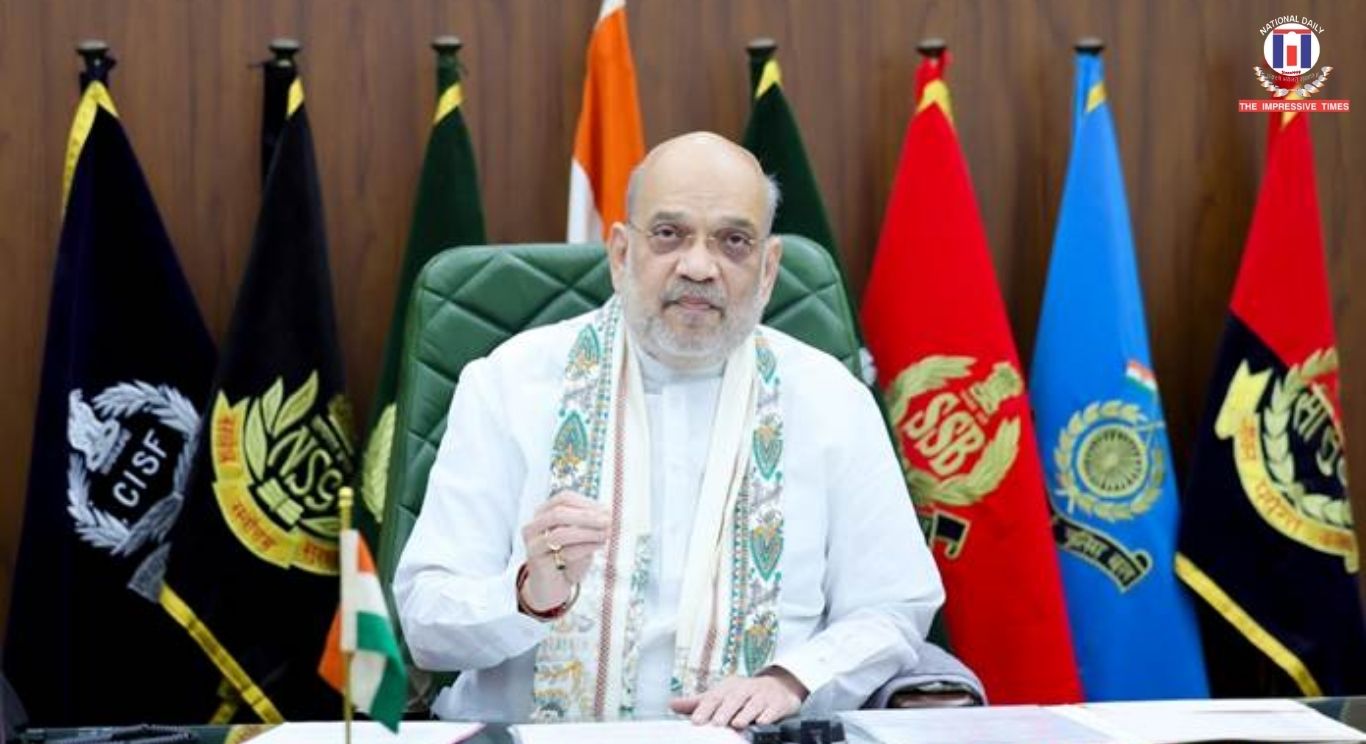
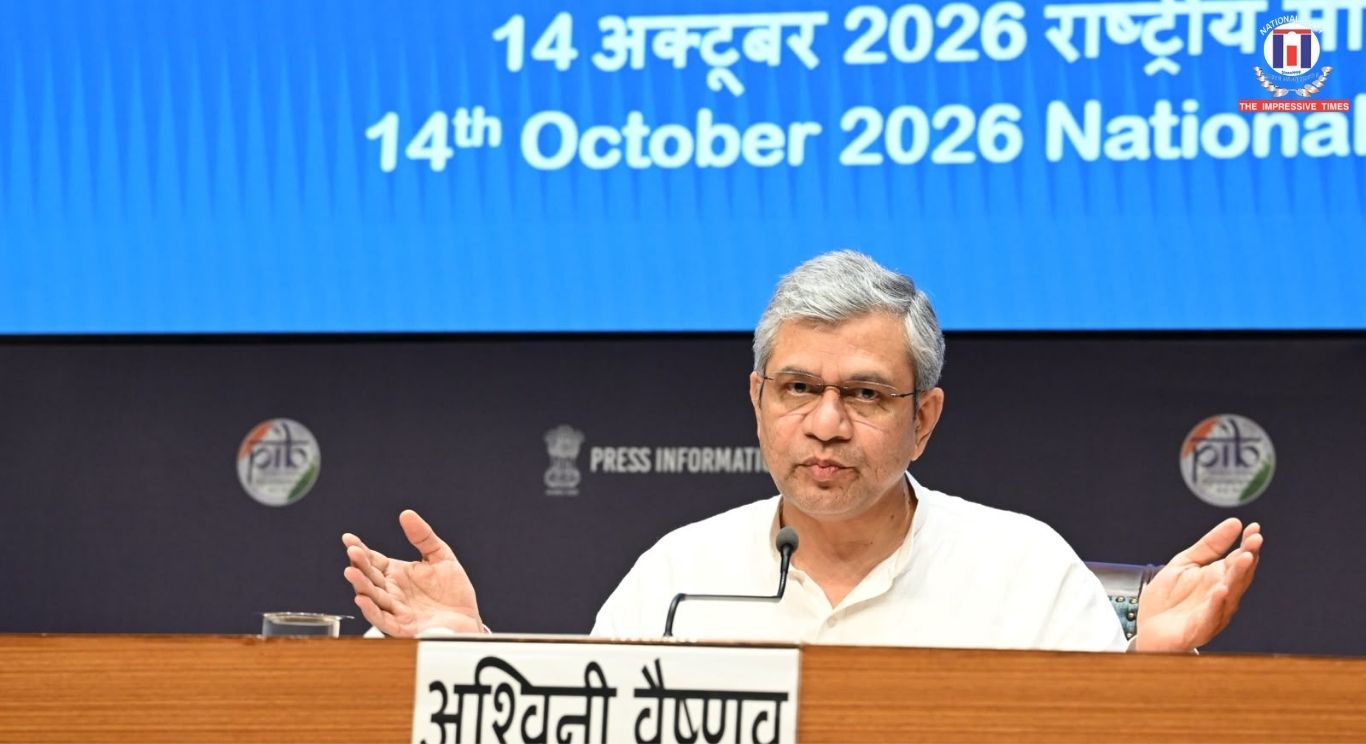
New Delhi, July 14, 2026 :Union Railway Minister Ashwini Vaishnaw on Tuesday announced eight new structural reforms under the Ministry’s ‘Reform Express’ initiative, taking the total number of reforms implemented to 17. The measures are aimed at modernising Indian Railways, reducing logistics costs, improving freight operations, encouraging private investment and promoting environmentally sustainable transportation.
Addressing the media at Rail Bhawan, Vaishnaw said the reforms are part of the Ministry’s target of implementing 52 reforms in 52 weeks to build a future-ready railway system that enhances efficiency, innovation and ease of doing business. He added that the reforms introduced earlier under the initiative have already begun delivering encouraging results.
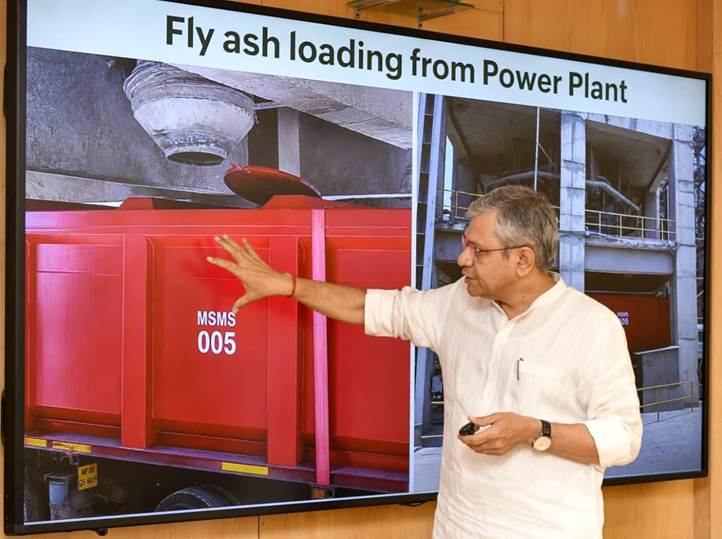
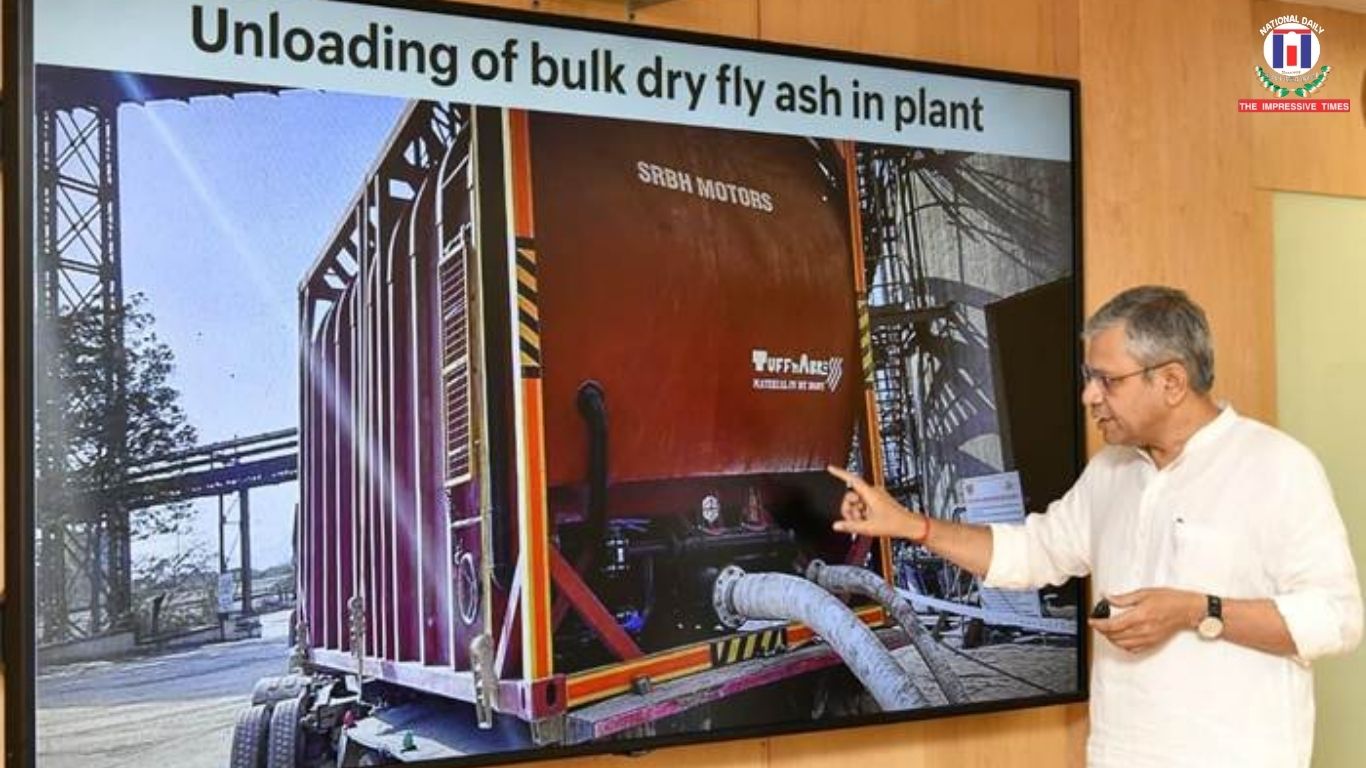
Among the key announcements was a new containerised transportation policy for fly ash. The Minister said Indian Railways will now use specially designed ISO-standard containers for pollution-free transportation of fly ash from thermal power plants to cement factories. The initiative is expected to reduce dust pollution, improve logistics efficiency and encourage greater movement of fly ash through rail instead of road.
To boost container traffic, Indian Railways has also introduced a unified Pan-India Container Train Operator licence, replacing the earlier four-category licensing system. The new framework allows operators to run container trains across the entire railway network under a simplified registration process with a uniform fee, making the sector more attractive for private investment.
In another significant reform, the freight charging system for fertiliser transportation has been simplified with a rationalised per tonne per kilometre tariff. Fertilisers will also be allowed to move in containers, enabling flexible unloading, faster distribution, better protection from weather and improved wagon utilisation.
To strengthen quality in railway infrastructure projects, the Ministry has introduced a comprehensive policy for skilling artisans engaged in railway works. Workers involved in specialised trades such as welding, fitting and masonry will undergo practical assessments and receive QR code-enabled skill certificates linked to a live verification system.
The Railway Ministry has also announced major construction reforms to improve project execution. These include upfront performance security, stricter eligibility norms for contractors, mandatory insurance coverage, a structured land handover mechanism and wider use of the Rail Bhoomi digital platform for land acquisition and project monitoring.
Promoting innovation in freight transportation, the Ministry unveiled a new wagon design approval policy that allows manufacturers and industries to develop customised freight wagons for sectors such as steel, petroleum, chemicals, milk and plastics. The Research Designs and Standards Organisation (RDSO) will evaluate and certify these new designs before induction into service.
The reforms also liberalise the transportation of petroleum products by allowing oil companies to procure or lease specialised tank wagons for operation on the Indian Railways network. This is expected to improve logistics planning, reduce transportation costs and minimise the risks associated with road transport.
Additionally, Indian Railways has simplified freight charges for the transportation of foodgrains, flour and pulses while permitting containerised movement of these commodities. The new policy will improve food safety, reduce contamination risks, enable phased distribution and enhance overall supply chain efficiency.
Vaishnaw said the latest reforms would help shift a larger share of freight traffic from roads to railways, significantly reducing logistics costs and carbon emissions. He emphasised that rail transport generates nearly 90 per cent lower carbon emissions than road transport and that greater containerisation would diversify Indian Railways’ freight portfolio while strengthening the country’s logistics ecosystem.




























No Comments: