US-Iran Tensions Escalate Again as Trump Signals Tougher Stand, Pakistan Rejects Airbase Claims
Washington Questions Mediation Efforts Amid Fragile US-Iran Ceasefire

 The Impressive Times
The already fragile situation between the United States and Iran has intensified once again after US President Donald Trump expressed strong dissatisfaction over Tehran’s response during ongoing diplomatic discussions. According to international reports, Trump is now weighing the possibility of restarting major military action if negotiations fail to move forward.
Sources familiar with the developments stated that the White House is increasingly frustrated with the slow pace of talks and Iran’s position regarding the Strait of Hormuz, a strategically critical maritime route for global oil trade. The US administration is also reviewing the role of mediators involved in the backchannel discussions, with concerns reportedly emerging over whether Pakistan has accurately communicated Washington’s stance to Tehran.
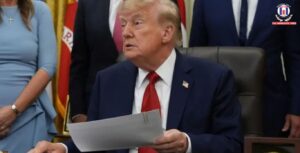
Reacting sharply to Iran’s latest communication, Trump reportedly described the proposal as unacceptable and inadequate. He emphasized that the ceasefire arrangement remains extremely unstable and reiterated that the United States continues to seek what he called a “complete victory” in the conflict.
Iran, however, has maintained that any long-term understanding with Washington would require the removal of economic restrictions, the release of frozen Iranian assets, and an end to what Tehran described as hostile regional actions.
Iranian leadership also responded aggressively to recent US remarks. Senior Iranian officials warned that their armed forces are fully prepared to respond to any external aggression. Iran’s parliamentary leadership stated that the military remains ready to retaliate if provoked again.
Adding to the tension, senior adviser Ali Akbar Velayati reportedly cautioned Trump against interpreting the present pause in hostilities as a strategic victory for the United States.
Trump is expected to visit China tomorrow, marking his first such trip in several years. Global analysts believe the Iran crisis and the future of maritime trade routes, including the Strait of Hormuz, could dominate discussions with Chinese President Xi Jinping.
Given Beijing’s close economic and diplomatic relationship with Tehran, Washington may attempt to push China toward a stronger role in reducing regional tensions.
Meanwhile, Pakistan has denied reports suggesting it allowed Iranian military aircraft to use its airbases for protection following recent tensions. Earlier reports citing anonymous US officials claimed several Iranian aircraft had temporarily landed at Nur Khan Airbase near Rawalpindi after the ceasefire announcement.
The development had triggered speculation about Islamabad’s involvement in behind-the-scenes diplomacy between Washington and Tehran. Pakistani authorities, however, have not officially confirmed such claims.
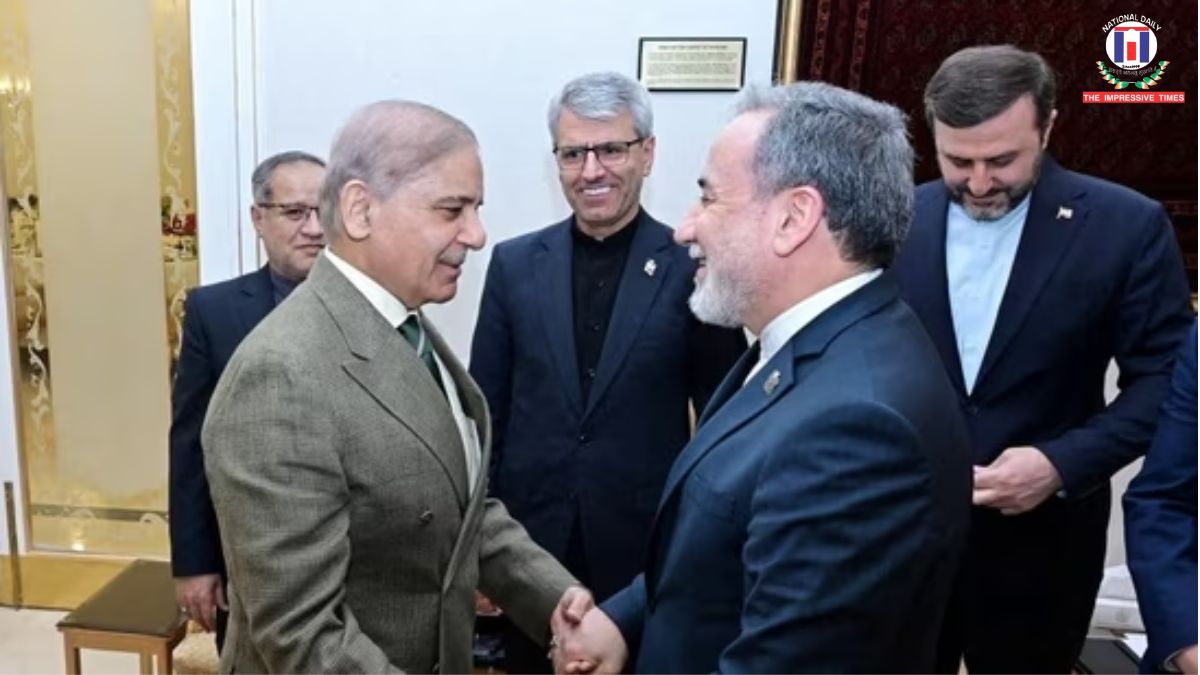
Diplomatic engagement in the region also continued on Monday as Saudi Foreign Minister Prince Faisal bin Farhan held discussions with Iranian Foreign Minister Abbas Araghchi. Both sides reportedly exchanged views on ongoing mediation efforts and the broader regional security situation.






































No Comments: