US Revives Nuclear Ambitions as First New Power Projects in a Decade Break Ground
TerraPower and Kairos Power lead a fresh wave of nuclear development driven by rising AI-era energy demand

 The Impressive Times
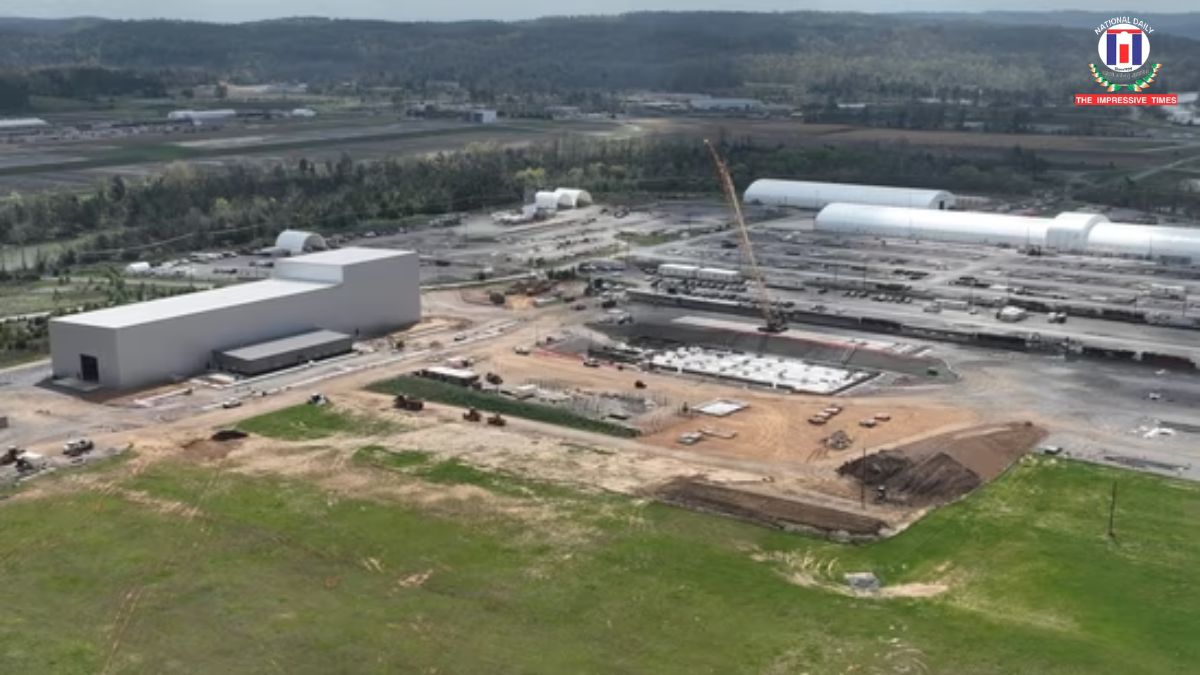
Washington DC- In a major shift for the energy sector, the United States has begun construction on its first commercial nuclear power projects in over a decade, marking a potential turning point for an industry long stalled by high costs and delays. Projects led by TerraPower and Kairos Power have officially broken ground in Wyoming and Tennessee, respectively, signalling renewed momentum in nuclear energy development.
Backed by Bill Gates, TerraPower has initiated work on a next-generation reactor that uses liquid sodium as a coolant, allowing safer and more efficient operations compared to traditional water-cooled reactors. Meanwhile, Kairos Power is building a smaller demonstration plant designed to supply electricity to Google, reflecting growing collaboration between tech giants and clean energy firms.
The renewed push for nuclear energy comes amid a sharp rise in electricity demand, largely driven by power-hungry data centers supporting artificial intelligence systems. As companies expand AI infrastructure, the need for reliable, carbon-free energy sources has intensified, bringing nuclear power back into focus.
Unlike older large-scale plants that often suffered from massive cost overruns, both TerraPower and Kairos are focusing on smaller, more streamlined reactor designs. These advanced reactors aim to reduce construction time, improve safety, and make nuclear energy more commercially viable.
TerraPower’s Wyoming facility is expected to generate 345 megawatts of electricity, with the potential to scale up during peak demand. The project is part of a public-private partnership supported by the U.S. Department of Energy, which has committed substantial funding to accelerate advanced reactor development.
Kairos Power’s Tennessee project, located near Oak Ridge, will initially produce up to 50 megawatts, contributing to efforts to offset emissions from Google’s regional operations. The company is also experimenting with molten salt cooling technology, another innovation aimed at improving efficiency and safety.
Experts view these developments as a crucial step in reviving nuclear energy in the U.S., where most reactors were built before 1990. If successful, these projects could pave the way for a new generation of nuclear plants, helping meet future energy demands while reducing carbon emissions.













































No Comments: