New Delhi, April 23, 2026: A global oil shock triggered by supply disruptions could lead to higher electricity costs in India, with renewable energy emerging as a crucial safeguard for long-term energy security, according to a report.
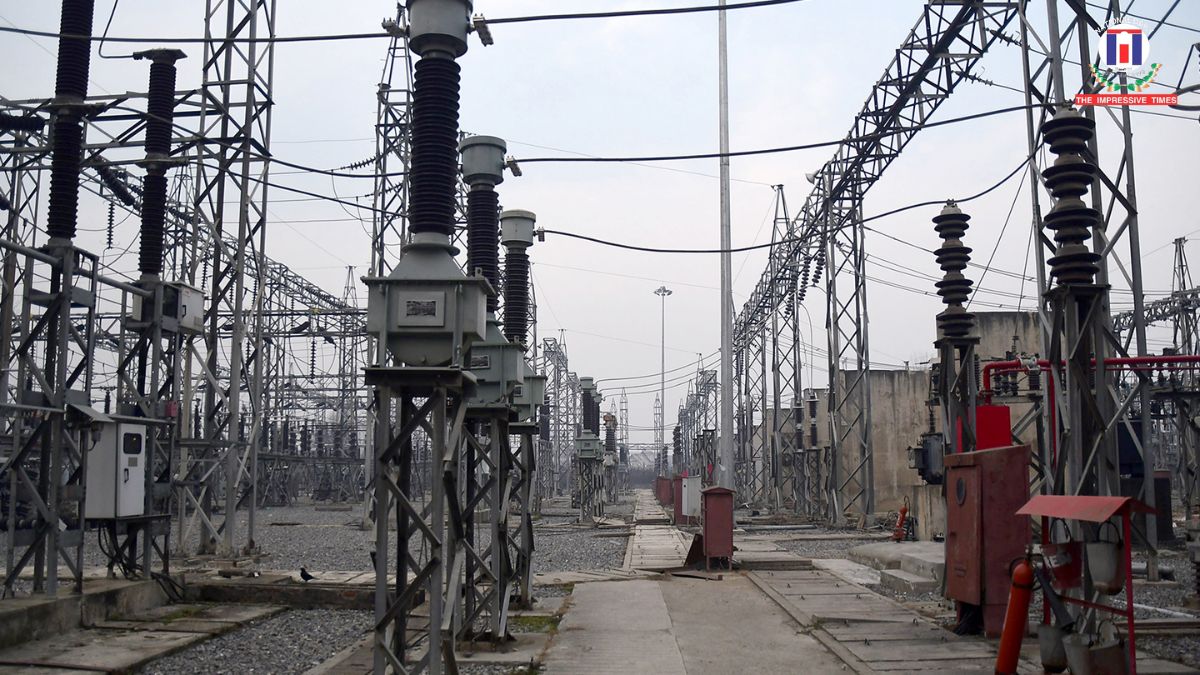
The report noted that electricity prices in India are closely linked to fossil fuel costs, especially coal and crude oil, which remain key inputs in power generation.
Since coal accounts for nearly 70% of India’s electricity production, any increase in global fuel prices is likely to directly impact domestic power tariffs for both households and industries.
Analysts warned that an oil supply disruption could also push countries to rely more heavily on coal, further increasing pressure on global coal prices and raising electricity generation costs.
The report highlighted that such a scenario would particularly affect energy-intensive sectors, which could face rising operational expenses if electricity tariffs move higher.
India’s heavy dependence on imported fossil fuels also makes it vulnerable to global energy price volatility, which often transmits quickly into domestic inflation and trade deficits.
In this context, renewable energy sources like solar and wind are being seen as a key buffer against global fuel shocks, helping reduce exposure to volatile oil and coal markets.
Experts said expanding clean energy capacity can stabilise long-term electricity prices by reducing dependence on imported fuels and improving domestic energy self-reliance.
India has already been rapidly expanding its renewable energy base, with record additions in solar and wind capacity in recent years.
However, challenges such as grid integration, storage limitations, and transmission bottlenecks still need to be addressed to fully realise the benefits of renewables.
The report concluded that accelerating the shift toward electrification and clean energy will be essential for insulating India’s economy from future global oil shocks while ensuring stable and affordable electricity supply.









































No Comments: