Why Men Fall Asleep Faster Than Women: Sleep Doctor Explains the Science
Hormones, stress and caregiving demands may help explain why many women fall asleep later and experience lighter, more disrupted sleep

 The Impressive Times
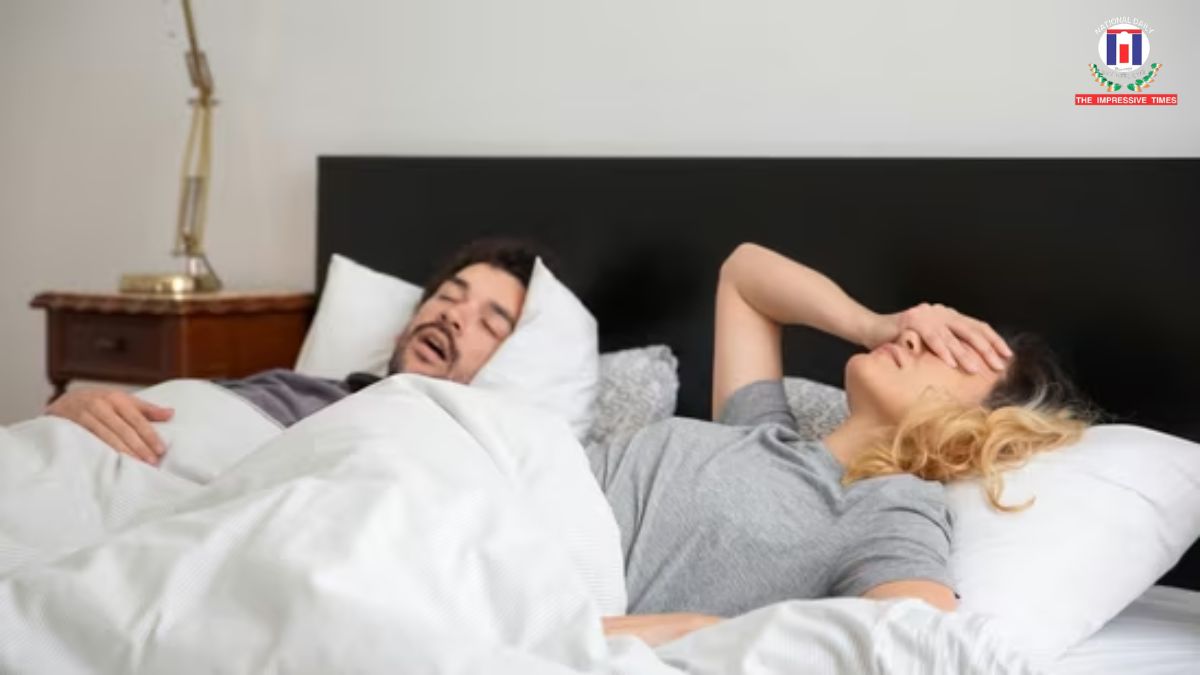
A growing discussion around gender differences in sleep has gained attention after a sleep specialist outlined why many women may have a harder time falling asleep and staying asleep compared with men.
According to sleep medicine expert Dr Christopher J Allen, biological and psychological factors may contribute to women experiencing lighter, more fragmented sleep, while men often appear to fall asleep more quickly. The explanation has resonated widely because it reflects a pattern many couples say they recognize in everyday life.
One of the major factors highlighted is hormonal fluctuation. Unlike men, whose sleep-related hormone patterns are generally more stable, women may experience changes linked to menstrual cycles, perimenopause and menopause that can affect sleep depth, increase nighttime awakenings and disrupt rest.
Mental health can also play a role. The doctor pointed to higher rates of anxiety and depression among women as another factor that may influence sleep quality. Stress, racing thoughts and emotional overload can make it harder to transition into restful sleep and may also contribute to waking during the night.
Another issue raised is what is often described as the mental load associated with caregiving. Responsibilities related to children, household management and family care can keep the brain in a more alert state, even during sleep, potentially leading to lighter and more easily interrupted rest.
The explanation has added to broader conversations in sleep science suggesting that sleep challenges are not always simply about habits or routines, but can also reflect biological and social pressures that affect people differently.
While experts say sleep experiences vary widely from person to person, the discussion has highlighted why women who struggle with poor sleep may be dealing with factors that go beyond ordinary insomnia and may benefit from understanding the underlying causes.















































No Comments: