
 The Impressive Times
A dedicated breakout session on “Strengthening India’s Care Ecosystem: Skilling 1.5 Lakh Multiskilled Caregivers” was organised by the Ministry of Skill Development and Entrepreneurship (MSDE) as part of the Post-Budget Webinar 2026 on the theme “Sabka Saath Sabka Vikas – Fulfilling Aspirations of People.” The session focused on operationalising the Union Budget 2026–27 announcement to build a structured and professional caregiving workforce in India
During the deliberations, participants highlighted the need to develop a structured career pathway for caregivers, supported by standardised curricula and multi-skilling modules across healthcare, wellness and allied services. The discussion also underscored the importance of strengthening training of trainers to ensure a sufficient pool of qualified instructors and maintaining quality training standards across institutions.
Delivering the opening remarks, Ms. Debashree Mukherjee, Secretary, MSDE, emphasised the importance of building a robust and quality-driven ecosystem to support the emerging care economy. She stated that the Budget announcement provides a significant opportunity to create a structured framework for training multiskilled caregivers who can respond to the evolving needs of healthcare and community-based care. She highlighted that professional training, standardised certification and credible career pathways are essential to ensure dignity and recognition for caregivers while strengthening India’s care infrastructure.
Welcoming the participants, Ms. Manisha Sensarma, Senior Economic Adviser, MSDE, outlined the strategic vision behind the initiative to train 1.5 lakh multiskilled caregivers. She noted that the programme is designed to address the growing domestic demand arising from demographic transitions such as an ageing population, while also responding to increasing global demand for trained care professionals. She added that the initiative seeks to facilitate the transition of the largely informal caregiving workforce into a structured National Caregiver Ecosystem, integrating healthcare competencies with wellness practices and leveraging existing skilling programmes to enhance employability.
The session brought together a wide range of stakeholders from government, industry, international organisations and academia. Participants included Prashant Pise, Additional Secretary, Ministry of External Affairs; Gyanendra Dev Tripathi, Principal Secretary, Skill, Employment & Entrepreneurship, Government of Assam; Jagadish Chelani, Executive Director, Meghalaya State Skill Development Society; Ms. Mia Oka, Country Director, Asian Development Bank; Shri Bharath Visweswaraya, Executive Director India, British Asian Trust; Ms. Giorgia Varisco, Chief of Youth & Adolescent Development, UNICEF; Prof. (Dr.) S. P. Singh, Director General, Kaushalya – The Skill University; Dr. Srinivasa Rao Pulijala, CEO, Apollo MedSkills Ltd.; Mr. K. Ganesh, Promoter & Director, Portea Medical; Mr. Sandeep Kumar, Head HR Operations, Sodexo India; Dr. Karthik N, Managing Director, Athulya Senior Care; Ms. Sumitra Mishra, CEO, Mobile Creches; Mr. Rajit Mehta, Managing Director & CEO, Antara Senior Care; Dr. Alexander Thomas, Founding Member, Vyay Vikas; and Dr. Sunil Kumar M. M., Director, Trivandrum Institute of Palliative Sciences, among others.
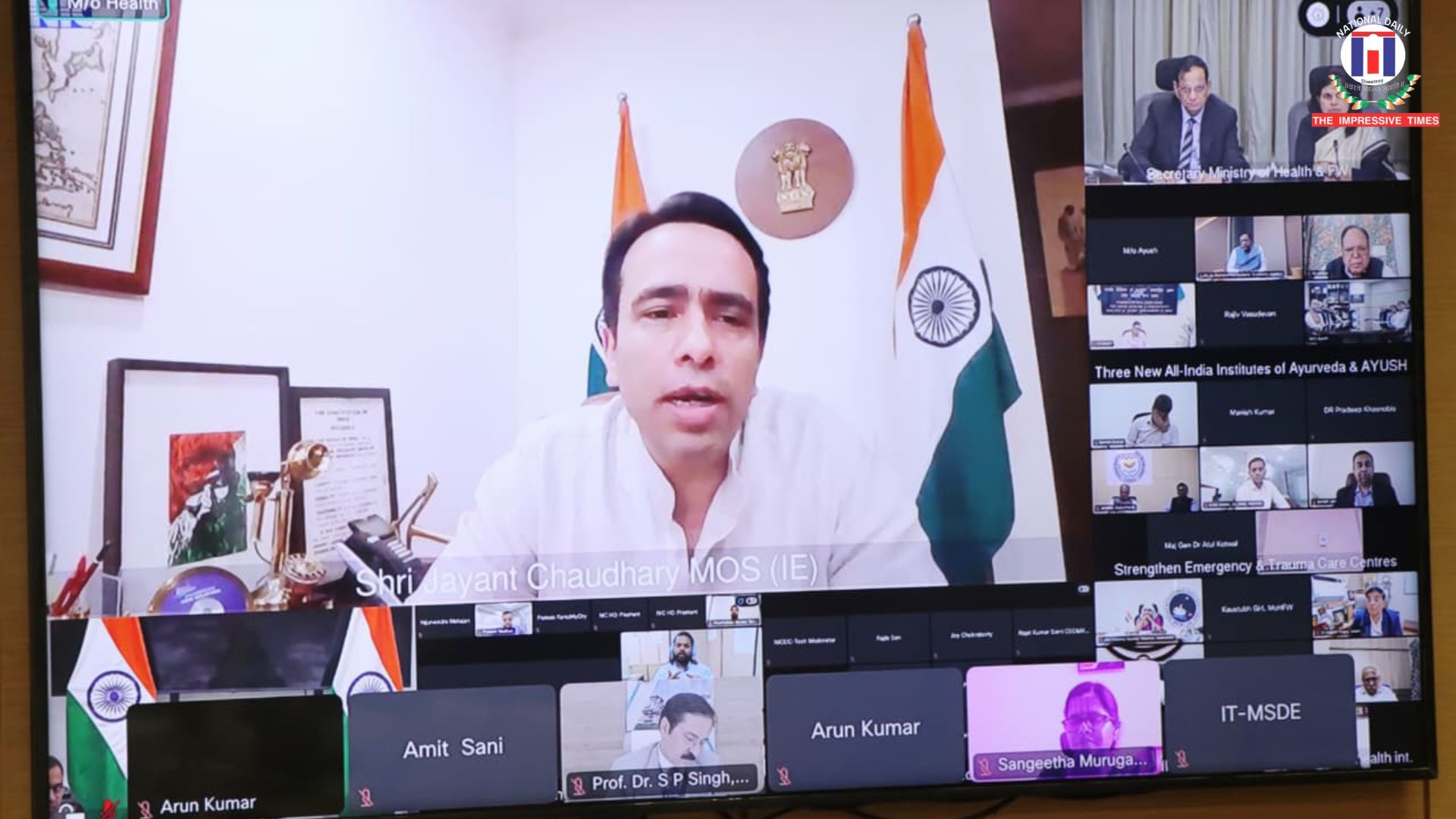
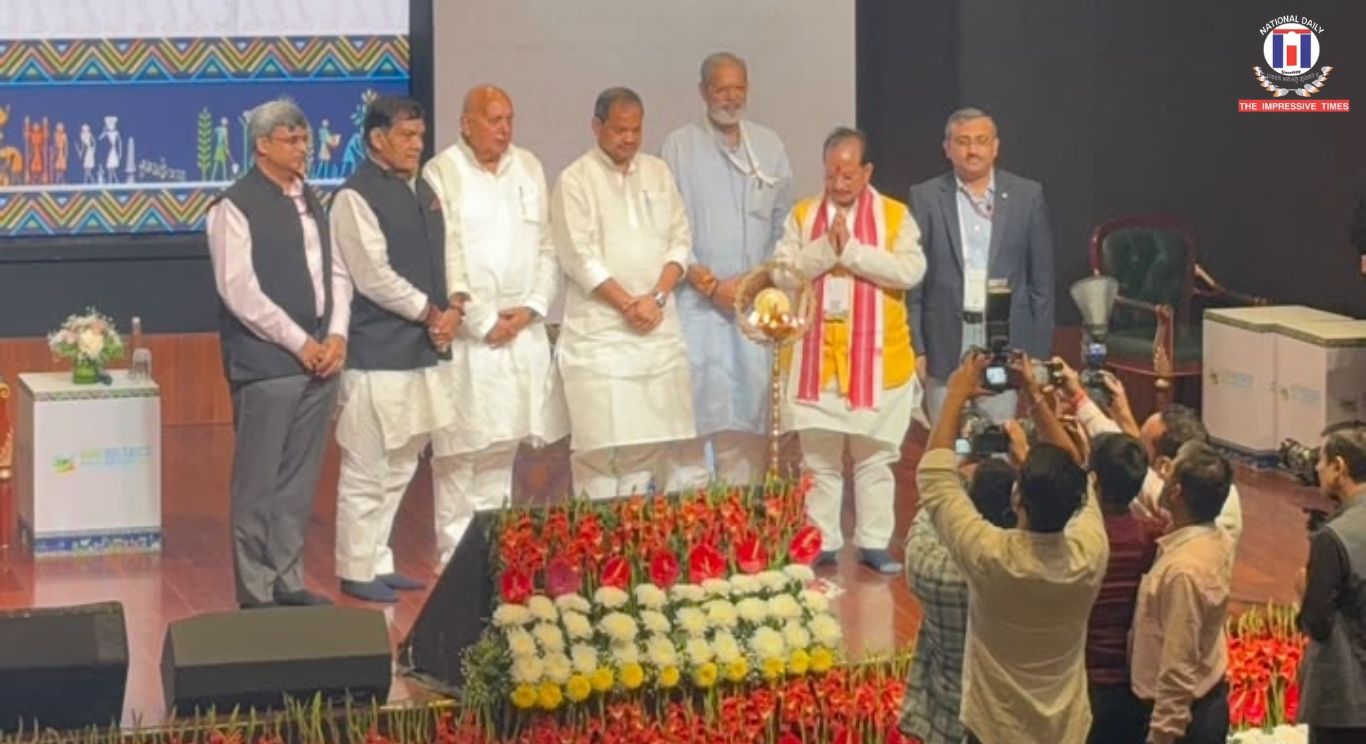
Jayant Chaudhary Minister of State (Independent Charge) for Skill Development and Entrepreneurship and Minister of State for Education, Government of India also participated in the Inaugural session. In the concluding Session, he highlighted the strategic importance of the care economy in India’s growth trajectory. He said, “The care economy represents both a social priority and an economic opportunity for India. Through the Budget announcement to train 1.5 lakh multiskilled caregivers, we are building a professional ecosystem that combines healthcare, wellness and assistive technologies while creating dignified employment opportunities, particularly for women. Recognising language as a skill and strengthening global mobility pathways will further enhance employability in international markets. Through partnerships with countries such as Japan and Israel, India is advancing skill diplomacy and emerging as a trusted provider of skilled talent to the world, reinforcing our journey towards becoming the global skill capital.”
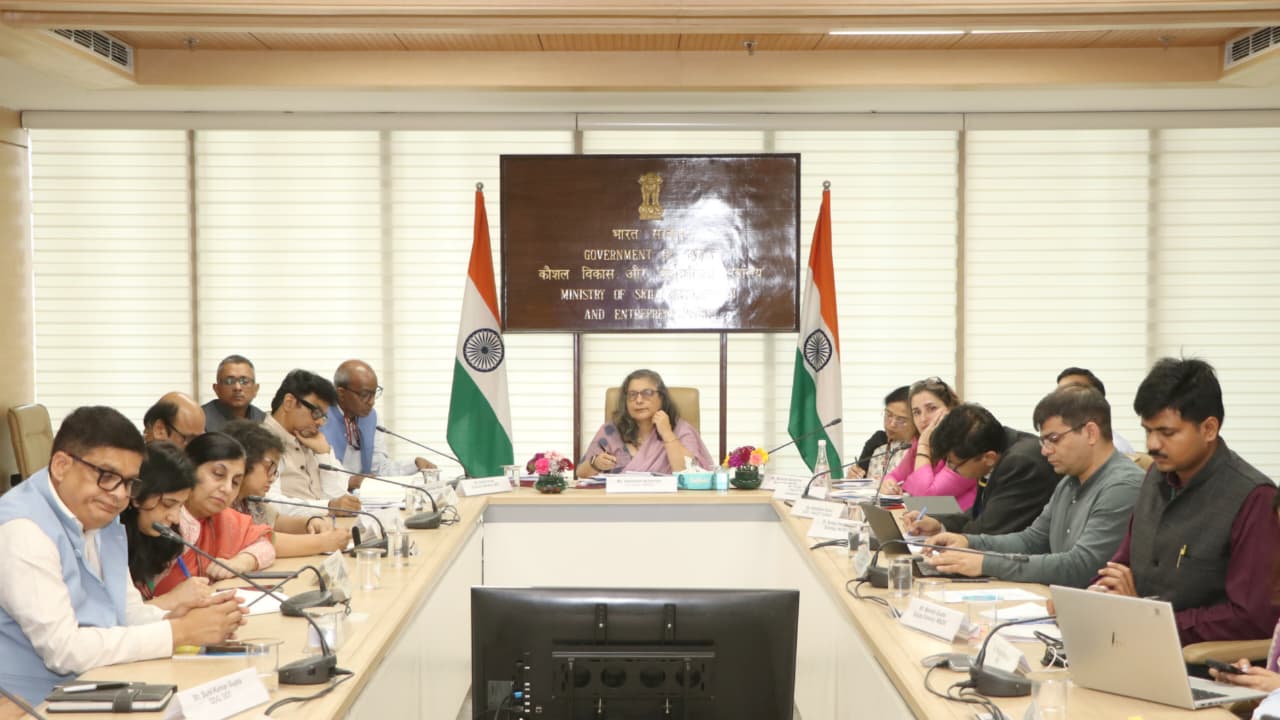
Stakeholders emphasised leveraging apprenticeship pathways to provide hands-on training through hospitals, care institutions and allied industry partners. The discussions also highlighted the potential of Skill India International Centres (SIICs) to facilitate global mobility for trained care professionals in collaboration with State and Union Territory governments.
Participants further recommended building a strong network of training infrastructure by leveraging ITIs, healthcare institutions and accredited training partners, while ensuring that certified caregivers are digitally discoverable through the Skill India Digital Hub (SIDH) to improve employment linkages and transparency in the sector.
The breakout session witnessed active participation from representatives of States and Union Territories, National Council for Vocational Education and Training (NCVET), Directorate General of Training (DGT), National Skill Development Corporation (NSDC), Sector Skill Councils (SSCs), awarding bodies, assessment agencies, industry partners and training institutions, reflecting strong stakeholder interest in strengthening India’s caregiving ecosystem.





















No Comments: