Middle East on Edge as Iran School Strike and Riyadh Embassy Attack Intensify Conflict
US-Israel Iran War Escalates: Iran School Strike, Riyadh US Embassy Drone Attack Shake Middle East

 The Impressive Times
New Delhi | March 3, 2026: Tensions across West Asia surged dramatically on Tuesday as the ongoing military confrontation involving the United States, Israel and Iran intensified, triggering civilian casualties, diplomatic alarms and regional instability.
In a deeply disturbing development, Iranian authorities reported that over 100 people lost their lives after a strike hit a school building in the southern city of Minab. Tehran squarely blamed its adversaries for the attack. However, both Washington and Jerusalem stated they had no confirmation of carrying out such a strike, with Israeli officials saying they were unaware of any operation targeting a school. The United States said it was reviewing the reports.
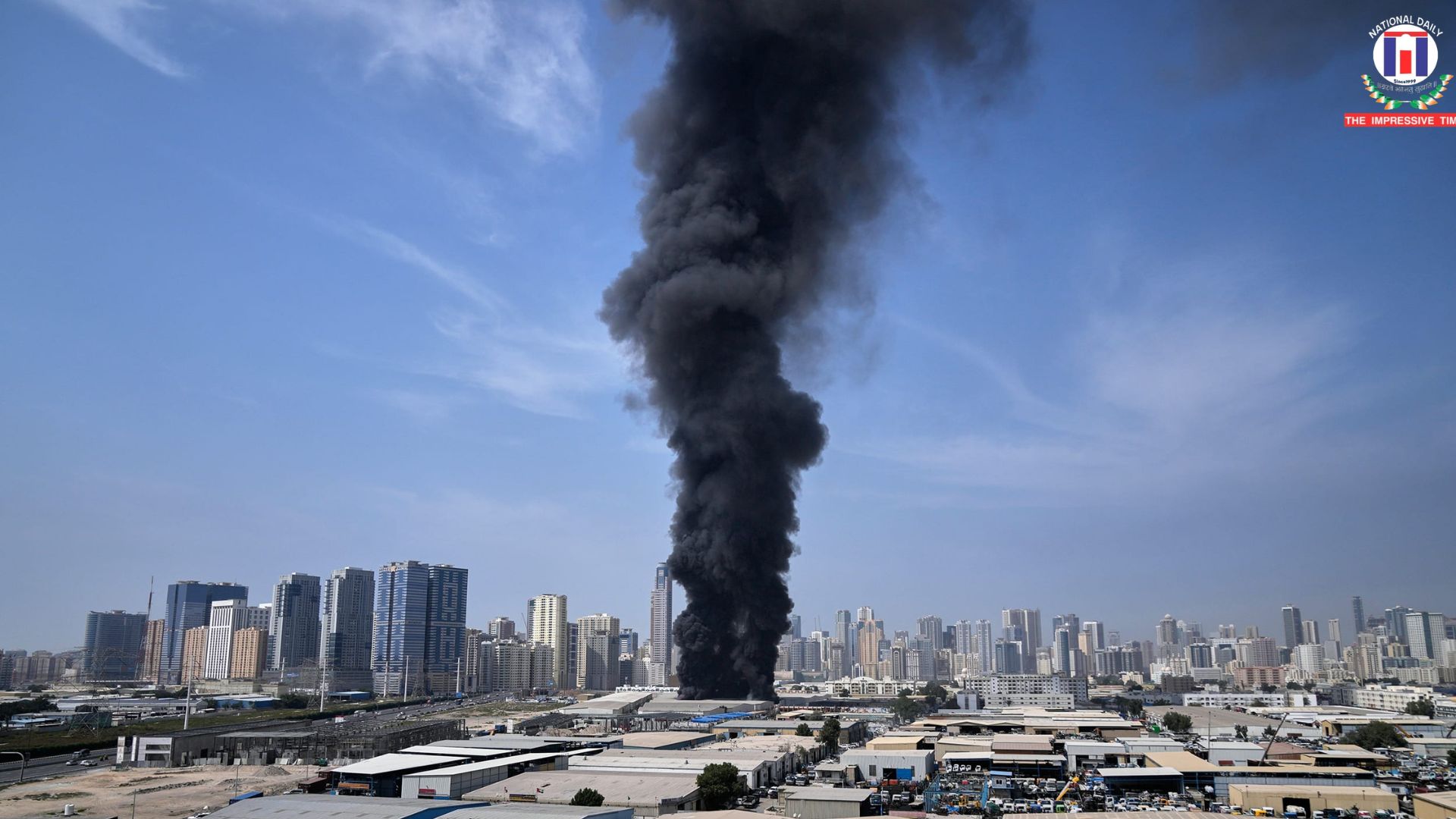
The conflict escalated further when two drones targeted the US Embassy in Riyadh. Saudi authorities confirmed limited structural damage and a small fire at the compound. In response, the US government issued fresh shelter advisories for Americans in Riyadh and Jeddah, while maintaining warnings for Dhahran. Washington also urged its citizens to exit multiple countries in the region, citing heightened security risks.
The crisis deepened following the reported killing of Iran’s Supreme Leader, Ayatollah Ali Khamenei, an event that dramatically shifted the trajectory of the confrontation. Since then, Iran and its allied groups have launched retaliatory missile and drone operations, targeting Israel, Gulf nations hosting American bases, and energy facilities vital to global oil and gas supply.
Israeli Prime Minister Benjamin Netanyahu stated in a televised interview that while the military campaign may not conclude immediately, it would not turn into a drawn-out, multi-year war. He suggested the current moment could redefine the strategic landscape of the Middle East and potentially open doors for broader regional realignments.
From Washington, US President Donald Trump asserted that American forces are prepared for an extended operation if necessary, surpassing initial timelines. Meanwhile, US Defense Secretary Pete Hegseth maintained that the campaign would not resemble prolonged conflicts of the past, though he acknowledged the possibility of further American casualties.
Explosions were reported across several Gulf cities, including Abu Dhabi, Dubai, Doha, Manama and Kuwait City, underscoring the widening geographical scope of the hostilities. The United Arab Emirates condemned the missile strikes and temporarily shut its embassy in Tehran, withdrawing diplomatic personnel.
Air travel across the region has been severely disrupted. Although limited evacuation and outbound flights resumed from parts of the UAE, sweeping airspace restrictions and cancellations continue to affect thousands of passengers.
Amid the turbulence, Indian Prime Minister Narendra Modi described the situation as deeply concerning. Speaking alongside Canadian Prime Minister Mark Carney, Modi emphasized that dialogue and diplomacy remain the only sustainable path forward. He also held a conversation with Netanyahu, advocating for an early halt to hostilities.
As Israeli strikes reportedly extended into Lebanon in response to actions by Hezbollah, and Iran continued targeting Gulf states hosting American military installations, fears are mounting that the confrontation could spiral into a broader regional war. With no clear roadmap for de-escalation, the Middle East now stands at one of its most volatile crossroads in recent history.




































No Comments: