Delhi Assembly hosts landmark symposium on “Pre-Independence Parliamentary Systems in India and Role of Indian Members in our Freedom Movement”
Symposium at Delhi Assembly spotlights India’s early legislative journey (1911–1946), honoring leaders like Malaviya, Patel, and Bhagat Singh who shaped the nation’s democratic foundations under colonial rule.
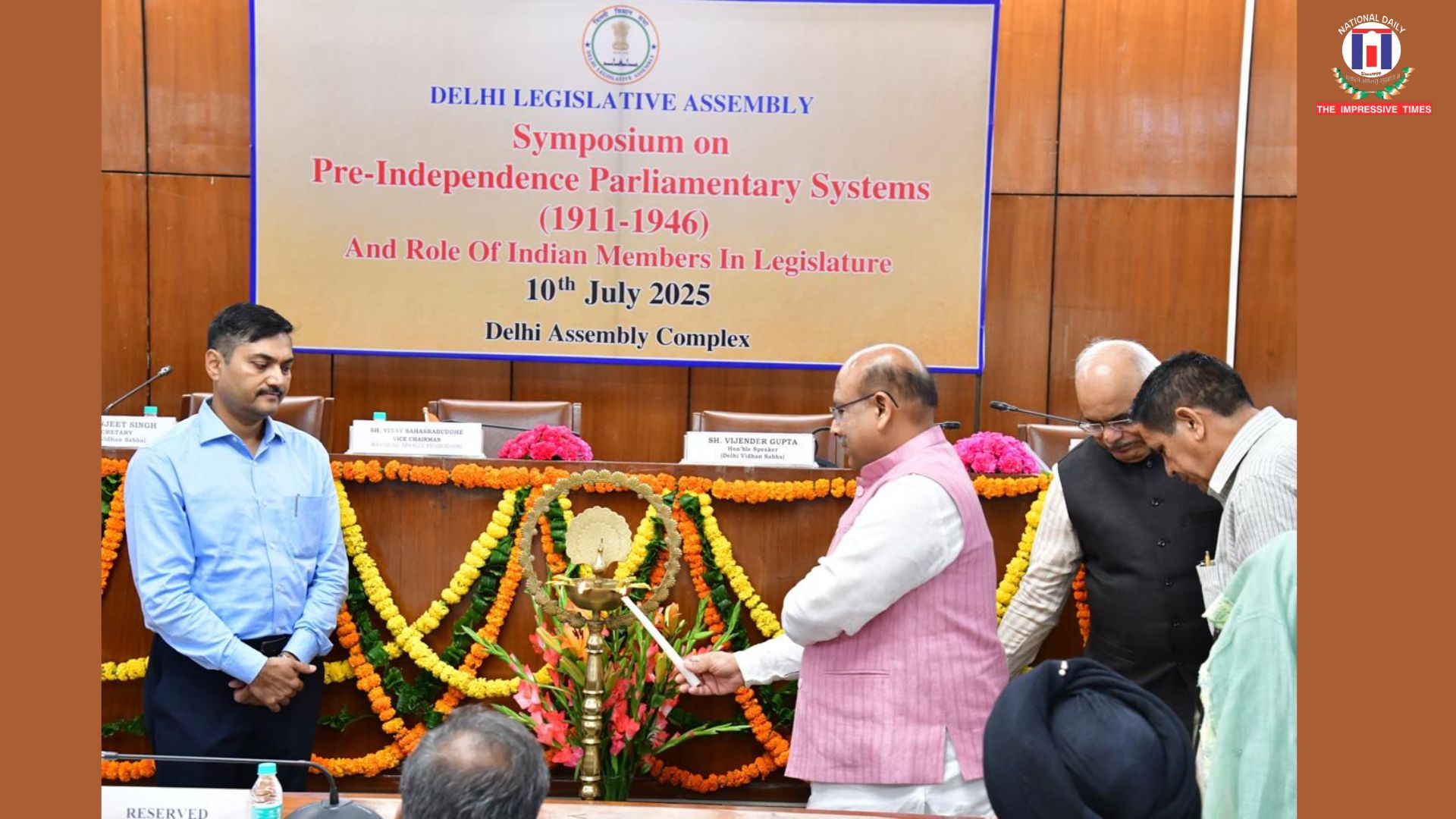
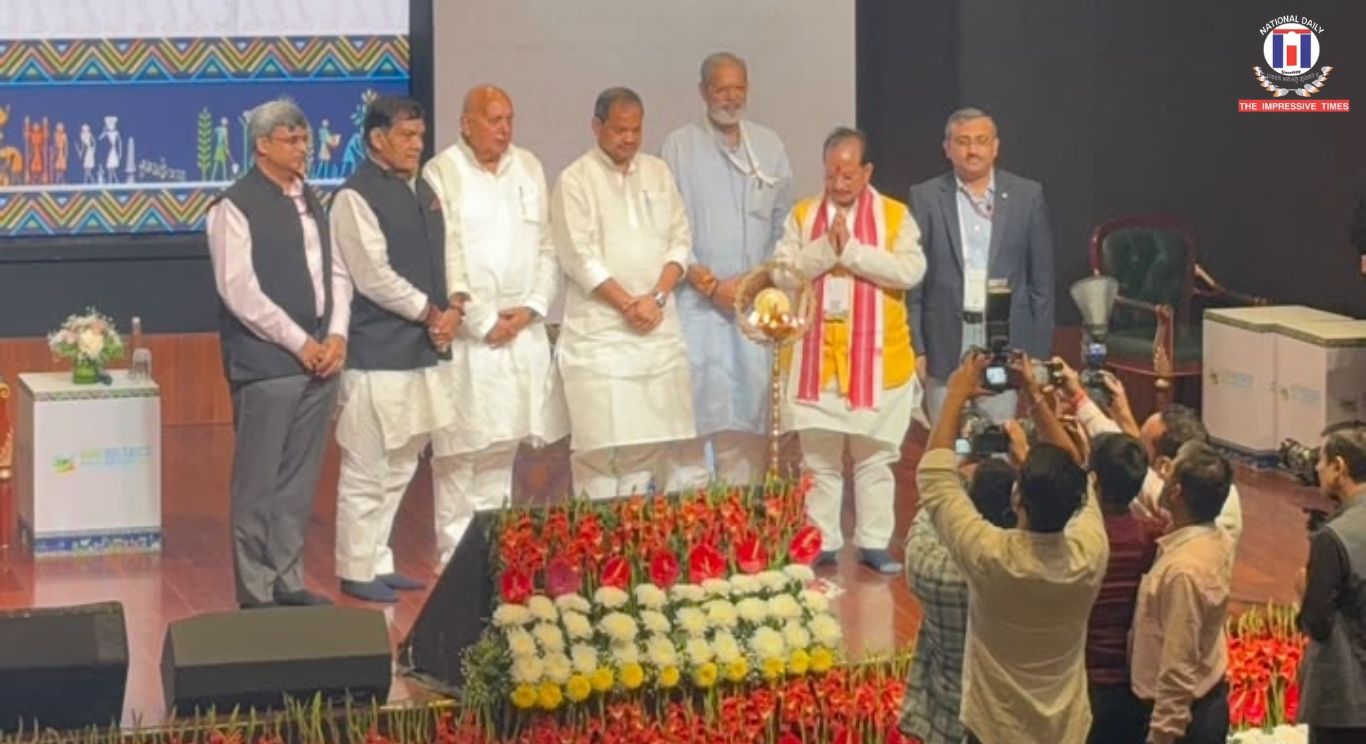
New Delhi: The Delhi Legislative Assembly hosted a landmark symposium on the theme “Pre-Independence Parliamentary Systems (1911–1946) in India and the Role of Indian Members in our Freedom Movement” on Thursday. The event convened eminent scholars, academicians, and public intellectuals to revisit the institutional and ideological foundations of India’s colonial-era legislatures and examine how nationalist leaders strategically engaged with these platforms to further the cause of independence.
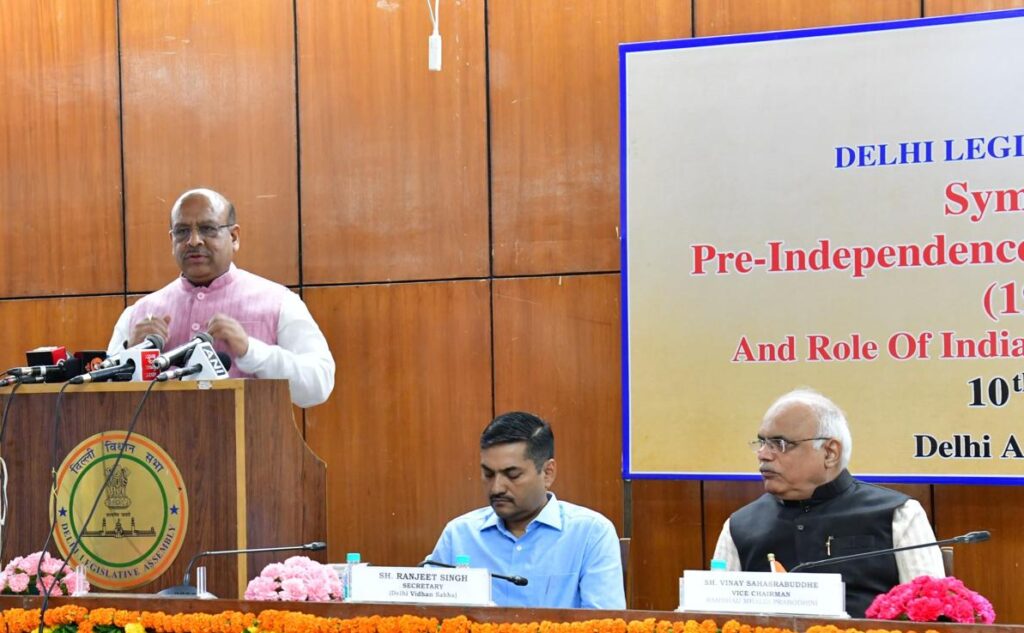
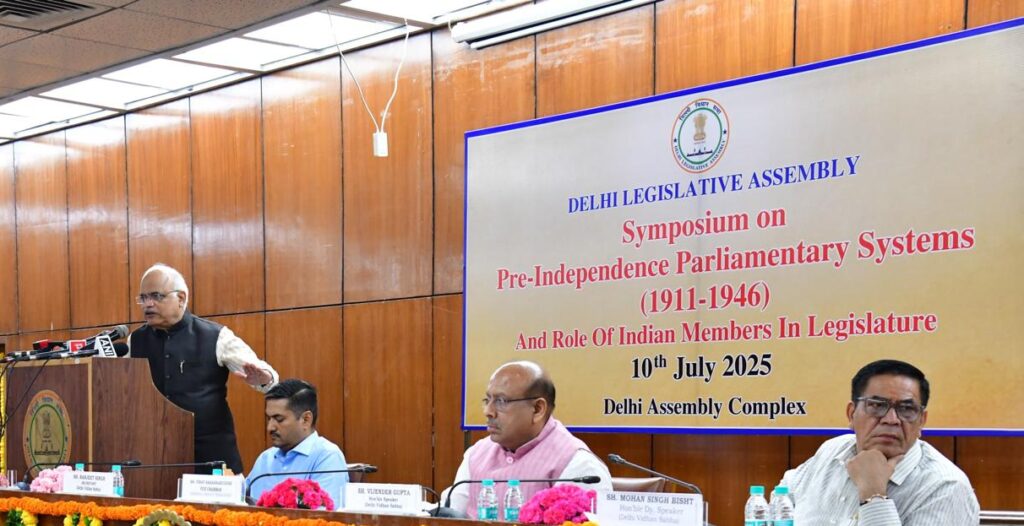
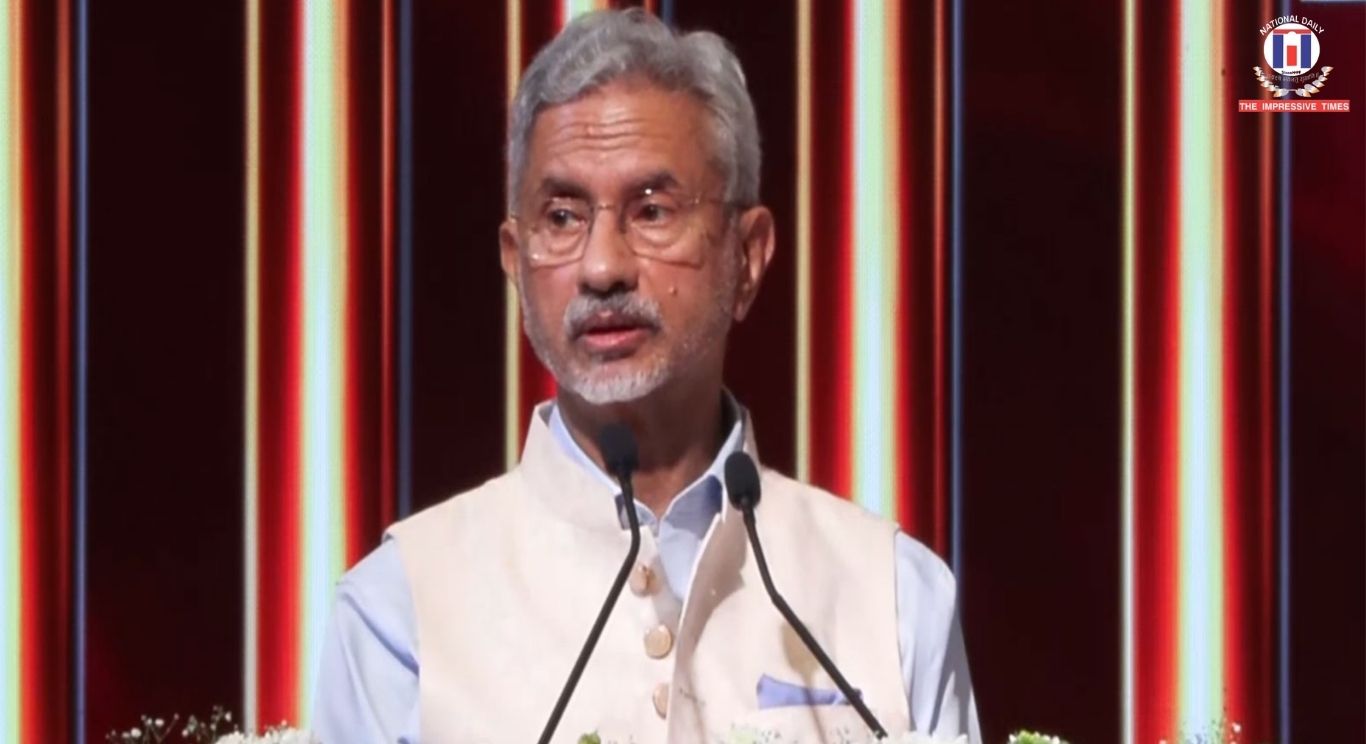
Delivering the keynote address, Vinay Sahasrabuddhe, former Member of Parliament, Vice President of Rambhau Mhalgi Prabodhini, and former President of the Indian Council for Cultural Relations (ICCR), commended the Delhi Legislative Assembly for illuminating a neglected yet critical phase in India’s democratic evolution. He emphasized that India’s democratic ethos far predates colonial constructs, drawing instead from millennia-old civilizational values rooted in dialogue, dissent, and deliberation. Reflecting on the contributions of stalwarts such as Vithalbhai Patel and Bhagat Singh, he called for renewed focus on institutional accountability and modernization, while lauding the Assembly’s role in fostering civic awareness among youth. Even within the constraints of colonial rule, he observed, Indian legislators exhibited remarkable political maturity and ethical clarity, laying a robust foundation for the parliamentary traditions of independent India.
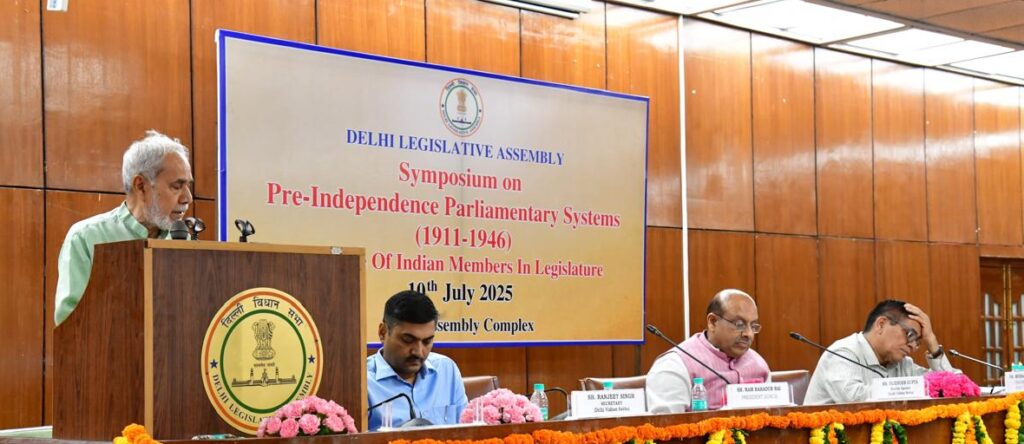
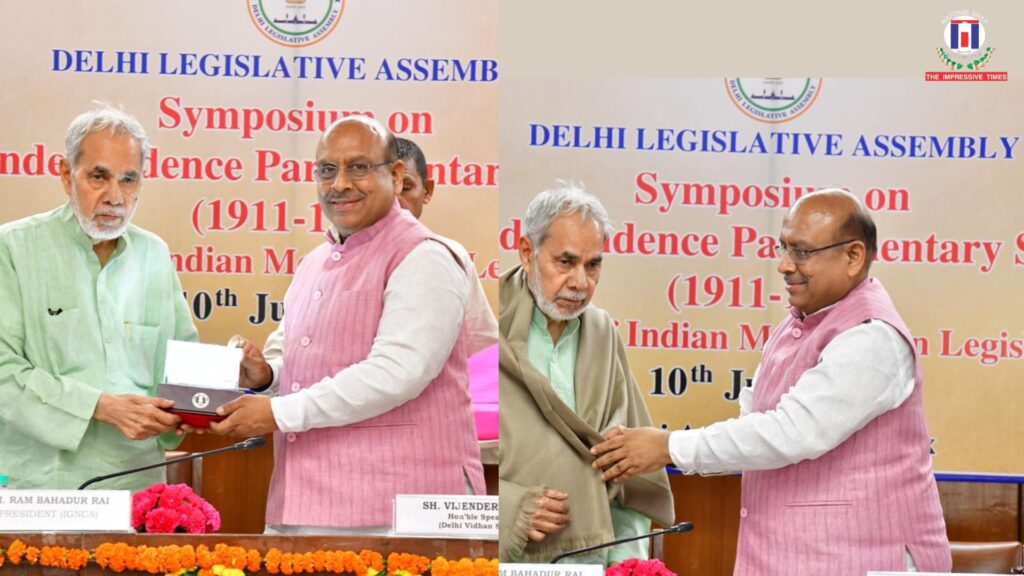
Ram Bahadur Rai, President of the Indira Gandhi National Centre for the Arts, lauded the Assembly’s efforts to revive interest in the nation’s early parliamentary history. He stressed that revisiting these foundational moments enriches our democratic imagination and honours the memory of lesser-known legislative pioneers. Reflecting on the ideological triad of Swaraj, Swadeshi, and Independence popularized by Lal, Bal, and Pal, he added that Aurobindo must also be recognized as a key ideological architect whose vision inspired national awakening. “The fire of that consciousness,” he remarked, “travelled all the way to London, exemplifying the global resonance of India’s quest for self-rule.”
Rai paid tribute to Pandit Madan Mohan Malaviya, highlighting his delivery of over 200 speeches between 1924 and 1930 in the Central Legislative Assembly. His most historic intervention, a five-hour address on 6 February 1919 against the Rowlatt Act, earned high praise from Mahatma Gandhi himself and remains an enduring symbol of principled resistance.
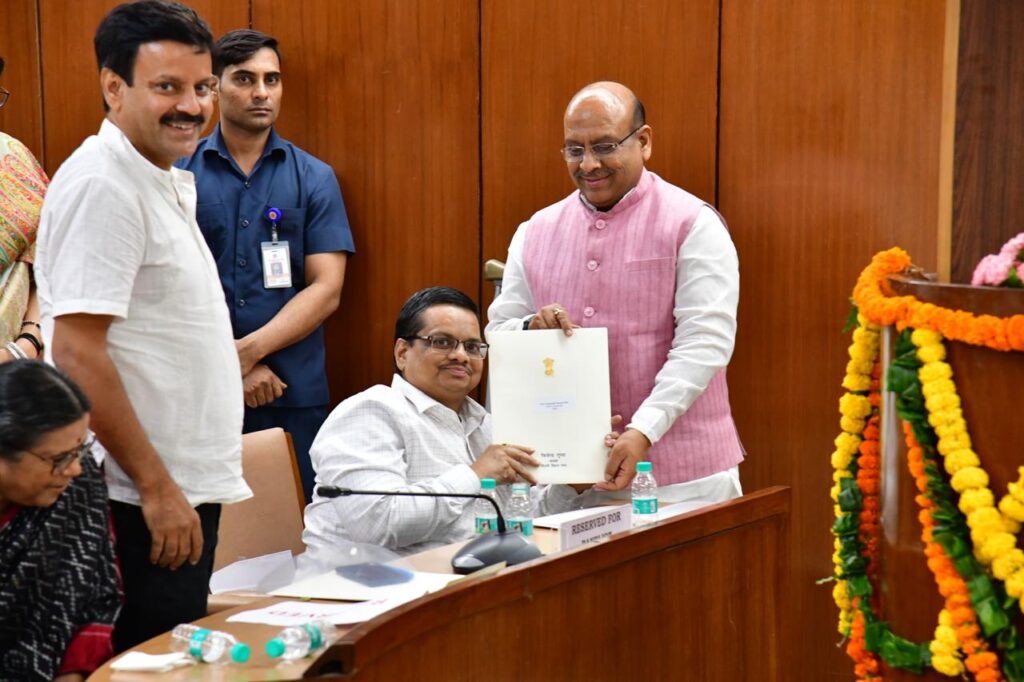
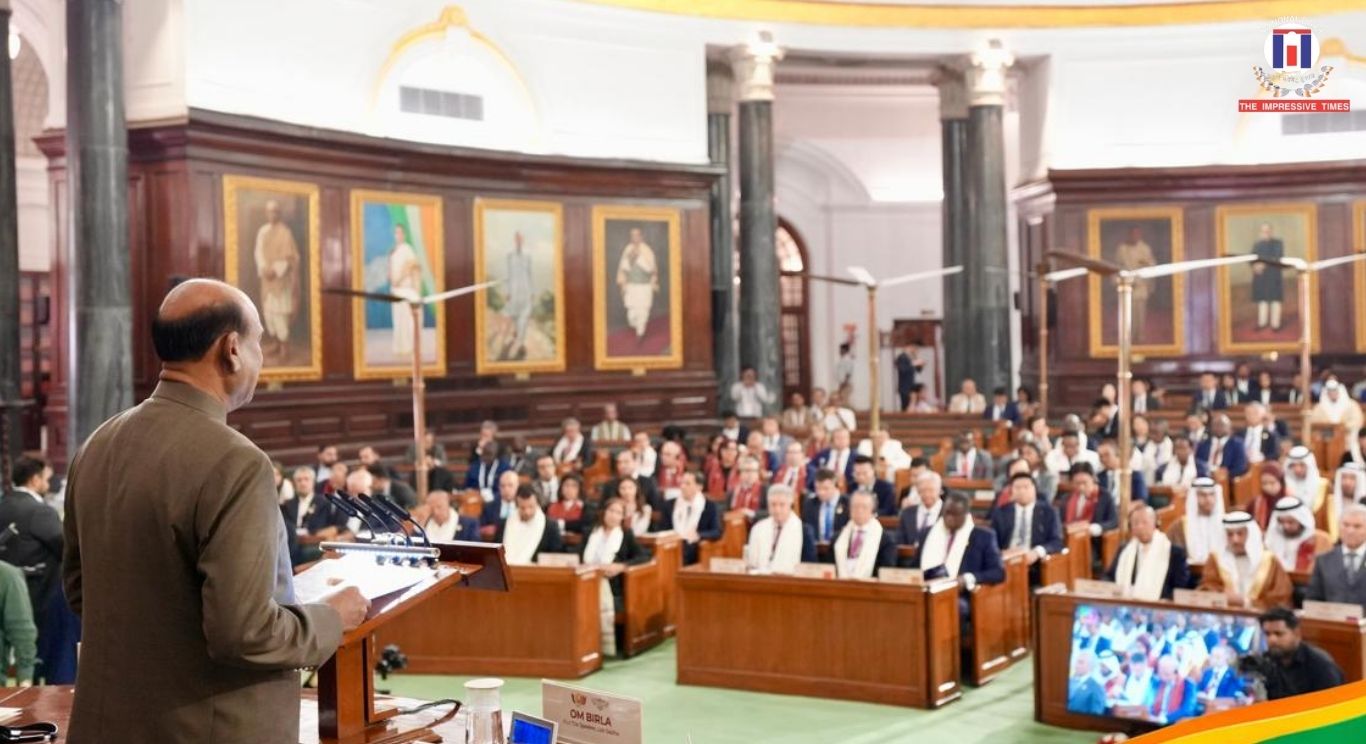
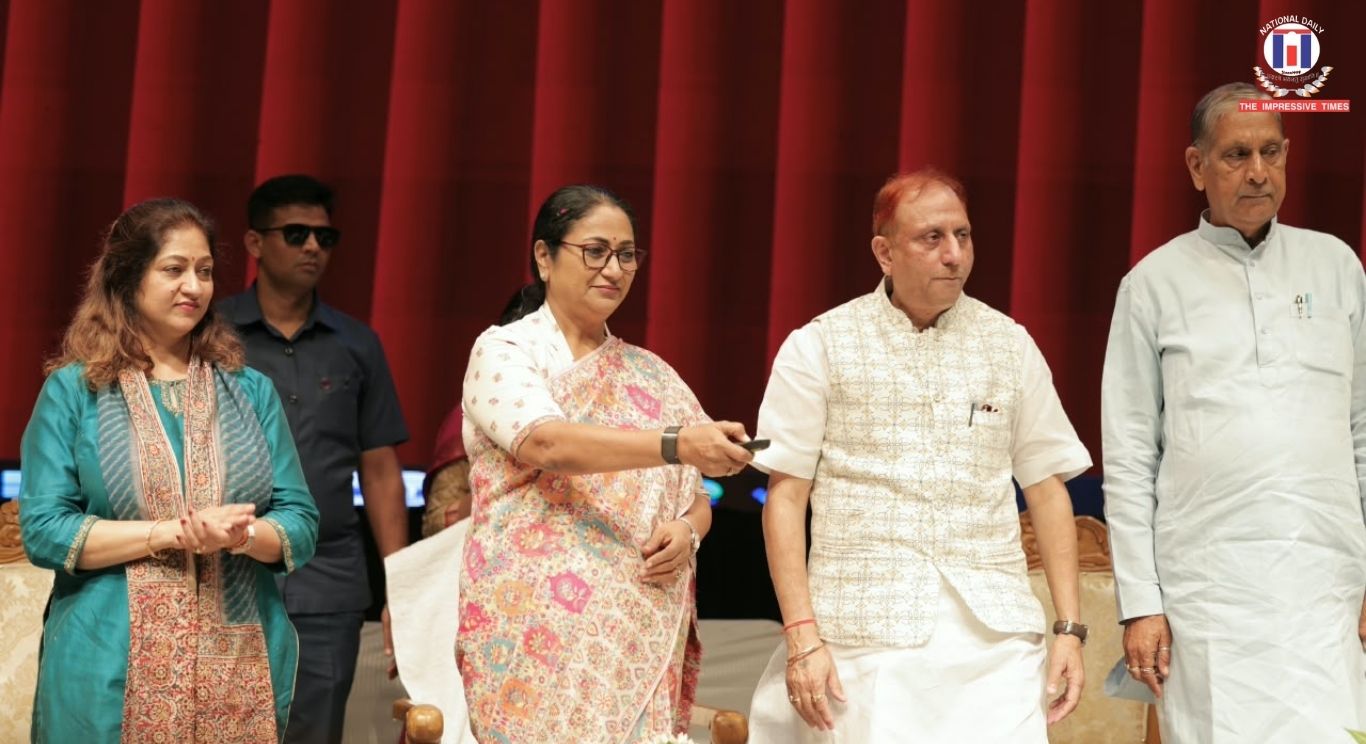
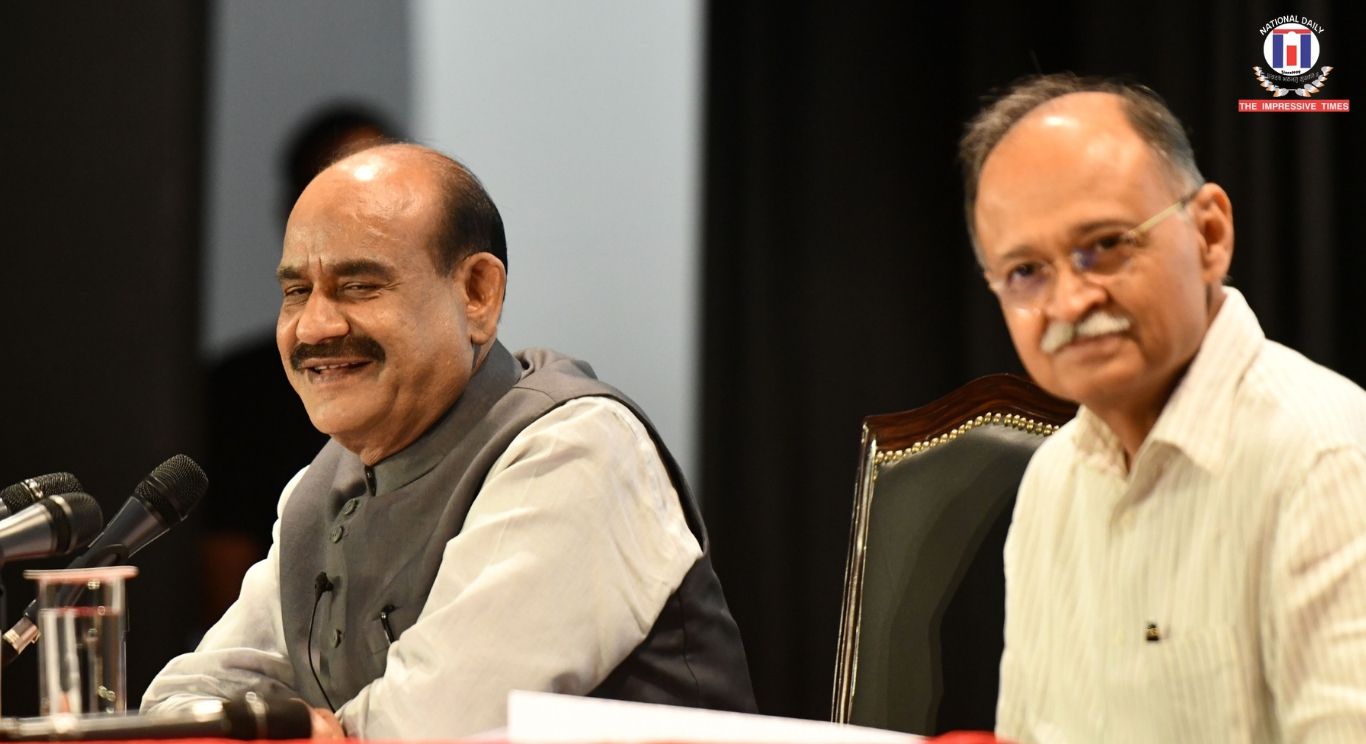
Speaking on the occasion Speaker of the Delhi Legislative Assembly, Vijender Gupta underscored the urgent need to reconnect with India’s constitutional heritage and draw inspiration from the foresight of its early legislators. Citing the visionary leadership of Madan Mohan Malaviya and Vithalbhai Patel, he reminded the audience that even a century ago, Indian representatives upheld the ideals of democracy, civil liberties, and parliamentary decorum. Recounting Malaviya’s historic five-hour address against the Rowlatt Act in the presence of Mahatma Gandhi, Gupta called upon today’s legislators to carry forward this intellectual and patriotic tradition. He reiterated that the symposium is the beginning of a sustained academic initiative, aimed at building a rich institutional archive that preserves and promotes India’s pre-Independence legislative legacy.
Dr. Neerja Singh, Professor at the University of Delhi, presented her paper titled “Vithalbhai Patel: Role of Nationalist Leaders within the Imperial Legislative Council.” She emphasized the importance of the constitutional front in India’s freedom struggle, often overshadowed by mass movements. Dr. Singh showcased how Vithalbhai Patel, as the first elected Indian President of the Central Legislative Assembly in 1925, institutionalized parliamentary dignity and democratic norms, including the creation of an independent Assembly Secretariat in 1929. Patel’s strategic use of procedural rules to defend civil liberties and block draconian colonial bills such as the Public Safety Bill demonstrated his constitutional acumen and leadership.
Adding further depth to this narrative, Prof. Himanshu Rai delivered a presentation titled “Public Safety Bill and Legislative Assembly’s Autonomy,” chronicling Patel’s crucial interventions in safeguarding legislative independence. He highlighted Patel’s refusal to allow debate on the second Public Safety Bill citing its sub judice status due to the Meerut Trials as a masterstroke of procedural resistance. Prof. Rai also recounted Patel’s bold acts of institutional assertion, including compelling the Commander-in-Chief to apologize for breaching House protocol and pushing back against colonial attempts to encroach on the Assembly’s autonomy. He noted Patel’s international outreach through participation in the League of Nations at Geneva, which reflected his commitment to both national pride and global engagement.
Dr. Bhuwan Jha of Delhi University, in his paper “Pandit Madan Mohan Malviya in the Central Legislature,” portrayed Malviya as a constitutional nationalist who wielded parliamentary tools to advance the cause of national development. Dr. Jha highlighted Malviya’s commitment to education, communal harmony, and civil rights principles he passionately defended within the legislative framework. Whether opposing the Rowlatt Act or advocating Hindu-Muslim unity and universal education, Malviya’s legislative career, as outlined in the paper, remains a blueprint for value-based political leadership.
Prof. Santosh Kumar Rai of Delhi University, in his address titled “From Council to Campus: The Role of the Central Legislative Assembly in Shaping Delhi University,” traced the historical synergy between legislative debate and educational development in Delhi. He illustrated how discussions within the Central Legislative Assembly contributed to the transformation of Delhi into a prominent academic centre. Prof. Rai argued that this evolution was not incidental but part of a broader nationalist project of self-rule and indigenous intellectual capacity-building.
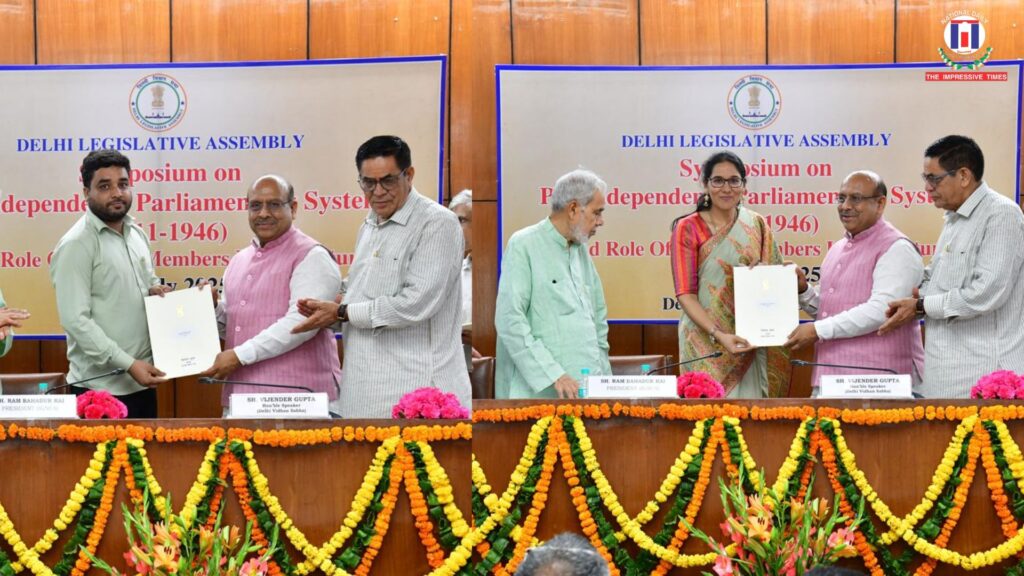
Prof. Manisha Choudhary of Delhi University, in her paper titled “Making of the Temporary Colonial Capital,” offered an insightful account of Delhi’s transformation into the imperial capital in the early 20th century. Drawing from archival records, she examined how urban planning, architectural symbolism, and administrative restructuring reflected both colonial objectives and growing nationalist ambitions. Her paper underscored that the spatial politics of Delhi were emblematic of larger power struggles between imperial authority and emerging demands for self-governance.
On this occasion, Mohan Singh Bisht, Deputy Speaker of the Delhi Legislative Assembly, shared his reflections on the significance of the symposium. He remarked that understanding the contributions of nationalist leaders within the colonial legislative structure is essential to appreciating the constitutional and democratic values that shaped India’s freedom movement.
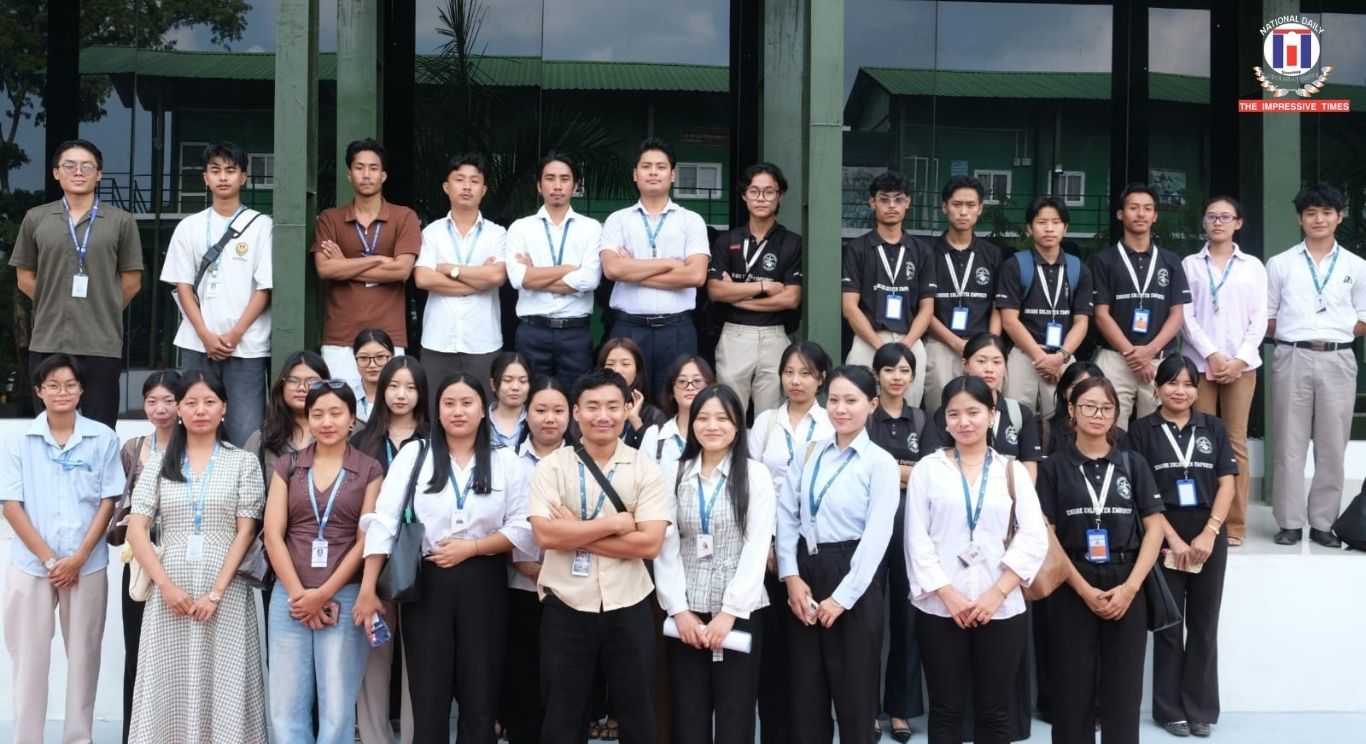
The event witnessed enthusiastic participation from Members of the Legislative Assembly including Chief Whip Abhay Verma , university students, law interns, and academicians, creating an intellectually vibrant atmosphere of dialogue and reflection.
















No Comments: