Game Design Careers in India: Opportunities, Tools & Trends 2025
With India’s gaming market booming and government backing growing stronger, game design is emerging as one of the most dynamic and rewarding career paths for the tech-savvy and the imaginative.
New Delhi | July 10, 2025: Once seen as mere entertainment, video games today are powerful cultural and economic forces. With over 420 million gamers and a projected market value of $1.5 billion by 2027, India is at the forefront of a global gaming revolution. At the heart of this thriving ecosystem lies the creative engine of it all—game design.
What is Game Design?
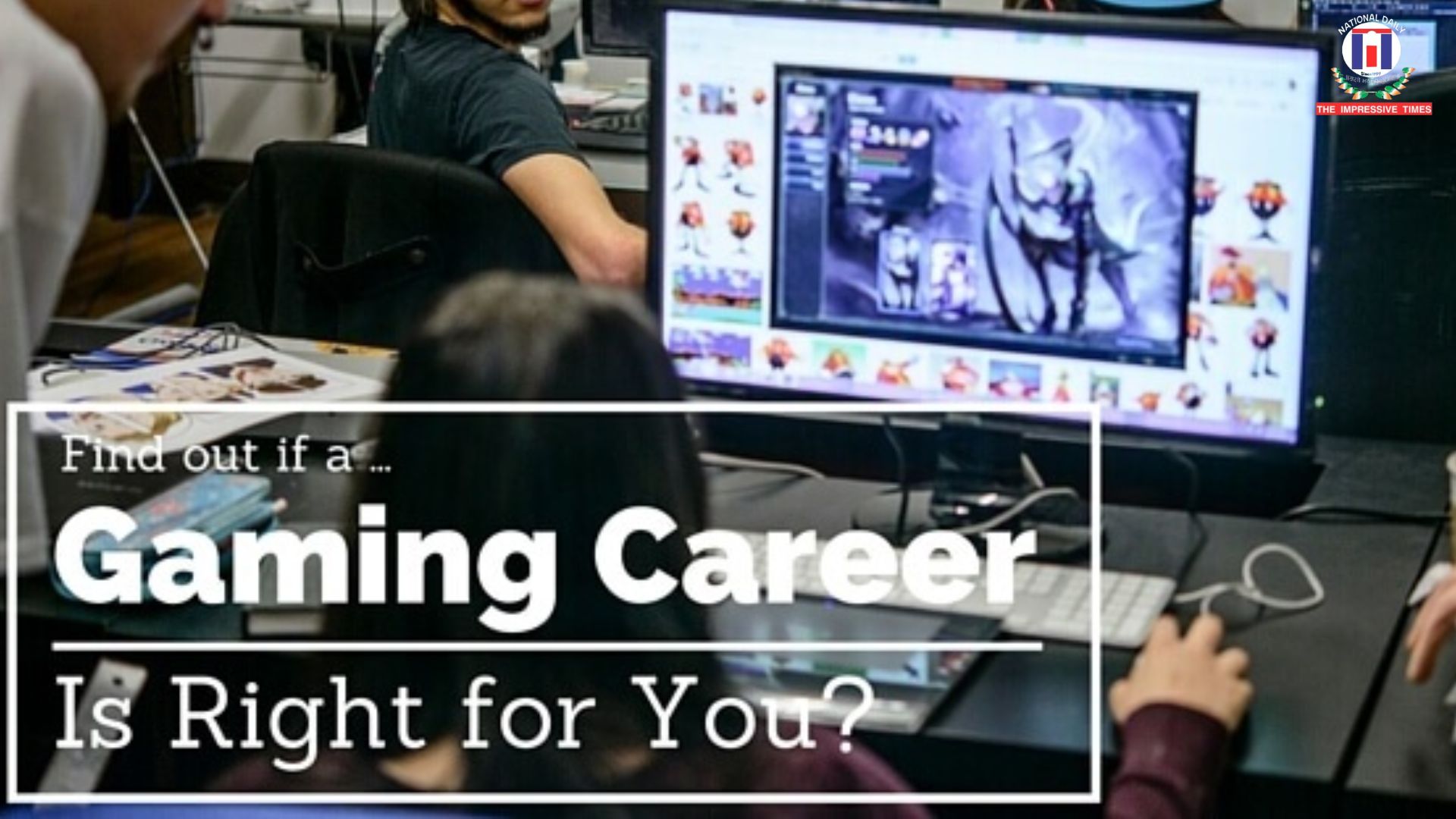
Game design is a multidisciplinary field that blends technology, storytelling, art, and user psychology. A game designer doesn’t just “think up” games—they meticulously craft storylines, characters, mechanics, and immersive experiences that keep players coming back for more. It’s a profession that demands both creative vision and technical precision.
“Fun isn’t accidental; it’s engineered.”
From building fantastical universes to scripting emotionally resonant dialogues and developing gameplay logic, designers operate like digital architects, shaping every pixel, rule, and outcome.
A typical day in game design might include:
- Developing story arcs, backstories, and in-game dialogue.
- Designing gameplay systems such as rules, level challenges, scoring, and difficulty curves.
- Collaborating with developers, animators, and audio engineers.
- Testing and refining prototypes to ensure a smooth and engaging user experience.
The profession is highly collaborative, often requiring clear communication and quick adaptability within creative teams.
Skills That Set You Apart
Aspiring game designers should develop a combination of technical, creative, and analytical skills:
- Coding knowledge (especially C#, C++, or Python).
- Visual design and animation using tools like Blender or Maya.
- Narrative design and storytelling techniques.
- Understanding game psychology and UX principles.
- Trend analysis across gaming genres and player behavior.
Must-Know Tools of the Trade
Free and popular engines where beginners can start learning include:
- Unity 3D (C#)
- Unreal Engine (C++)
- Godot Engine
- GameMaker Studio 2
- Construct 3
Familiarity with these platforms can help candidates create portfolios and demo reels that stand out in a crowded job market.
Game design offers various specialized roles:
- Game Designer: Oversees mechanics, gameplay flow, and balance.
- Narrative Designer: Crafts dialogue and storytelling.
- Level Designer: Designs environments and challenges.
- UI/UX Designer: Focuses on player interface and user experience.
- Creative Director: Leads the overall artistic and gameplay vision.
Courses in game design, animation, or interactive media can be immensely helpful, and many universities now offer AVGC (Animation, VFX, Gaming & Comics) programs under the NEP 2020 framework.
According to industry estimates, India’s gaming sector grew 15.9% year-over-year in 2023 and is set to breach the $1 billion mark in 2025. Yet, the sector faces a bottleneck: lack of strong domestic publishers. While developers thrive, only 6% of consumer spending in gaming was captured by Indian publishers in 2022.
However, this gap is also a massive opportunity—for startups, investors, and game designers alike—to innovate, diversify genres, and build globally relevant IPs rooted in Indian storytelling.
Government Support: AVGC Policy and the National Centre of Excellence
The Indian government’s AVGC (Animation, Visual Effects, Gaming, Comics) policy and the establishment of the National Centre of Excellence (NCoE) for AVGC-XR in Mumbai mark a turning point. The NCoE, modeled on the IITs and IIMs, aims to:
- Train global-standard talent in game design and immersive tech.
- Foster the creation of indigenous IPs.
- Drive collaborative innovation in AR/VR, comics, and animation.
- Incubate startups and research labs within the AVGC ecosystem.
This is projected to generate over 5 lakh jobs in the next few years and transform India into a global content creation powerhouse.
With mobile penetration deepening and immersive technologies like AR/VR and AI-powered gameplay on the rise, the scope for game designers has expanded far beyond traditional boundaries. The sector’s synergy with cinema, education, healthcare, and marketing also opens doors to cross-industry applications of interactive design.
So, whether you’re a storyteller, a coder, a visual artist, or a strategist—game design welcomes you. All it asks is: Are you ready to play, create, and innovate?




























No Comments: