DAE Inaugurates Advanced Research Materials Plant and Prototype Sodium Facility in Vadodara
Department of Atomic Energy Strengthens Indigenous Nuclear Technology Capabilities

 The Impressive Times
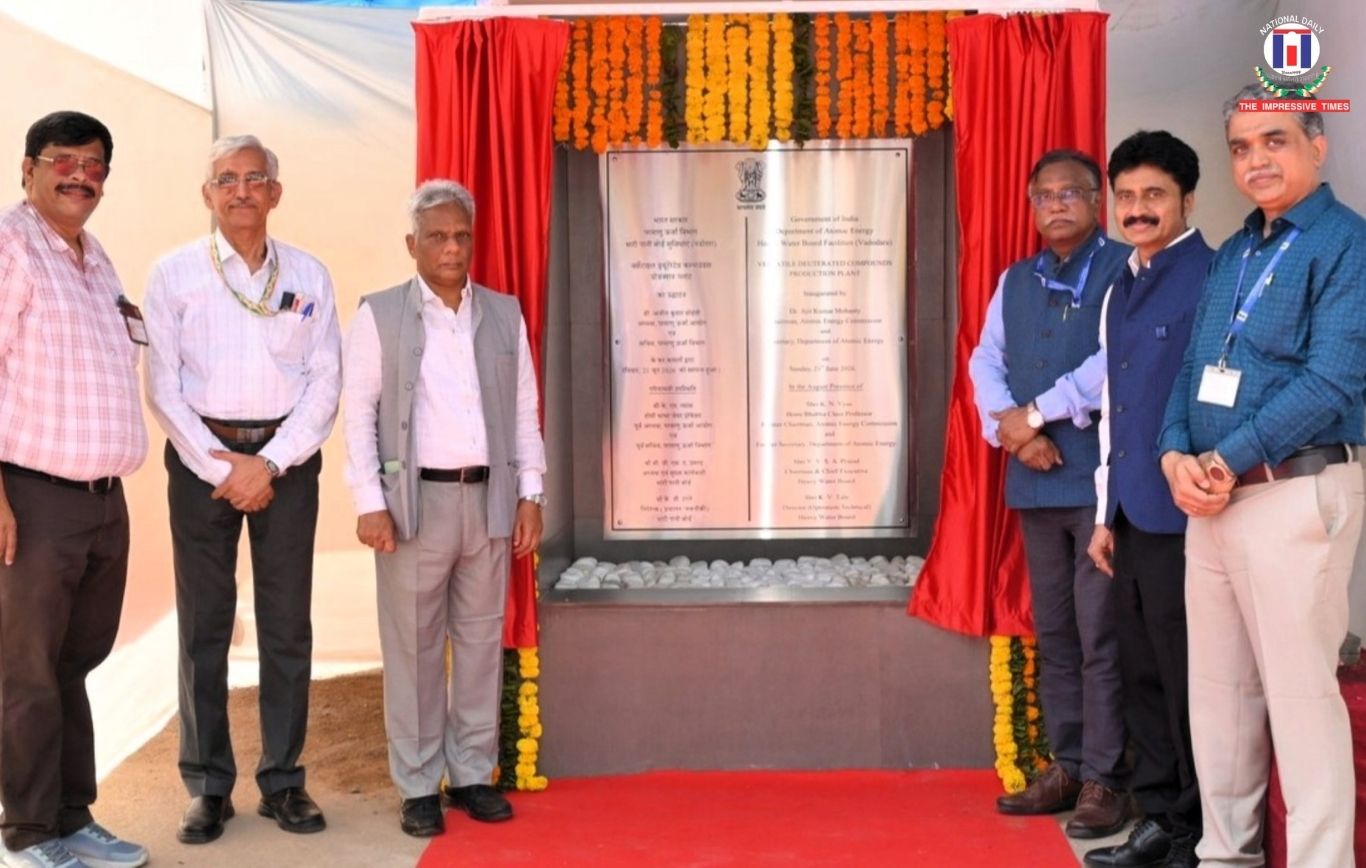
Vadodara, June 21: The Department of Atomic Energy (DAE) has inaugurated a new Versatile Deuterated Compounds Production Plant (VDPP) and commissioned a 24 kA Prototype Sodium Cell at the Heavy Water Board Facilities in Vadodara, marking a significant milestone in India’s pursuit of technological self-reliance and strategic capability development.
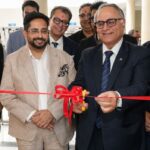
The facilities were inaugurated by Dr. Ajit Kumar Mohanty, Secretary, Department of Atomic Energy and Chairman of the Atomic Energy Commission, in the presence of senior scientists, engineers, and officials from the nuclear sector.
The newly established VDPP facility is designed to enhance India’s domestic production of high-purity deuterated compounds, which are widely used in advanced scientific research, strategic applications, and emerging technologies.
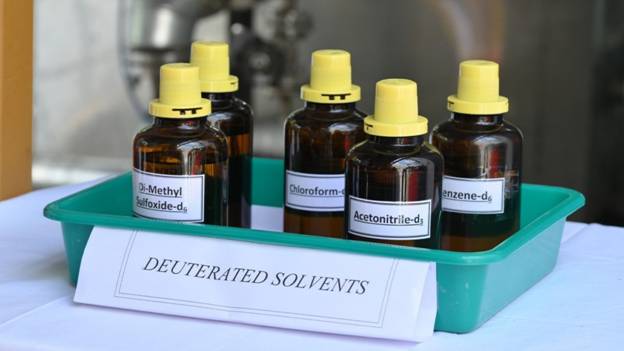
The plant is expected to reduce dependence on imports while supporting national requirements in critical research areas. It will primarily produce specialized deuterated solvents used in scientific laboratories, nuclear research, and frontier technology programmes.
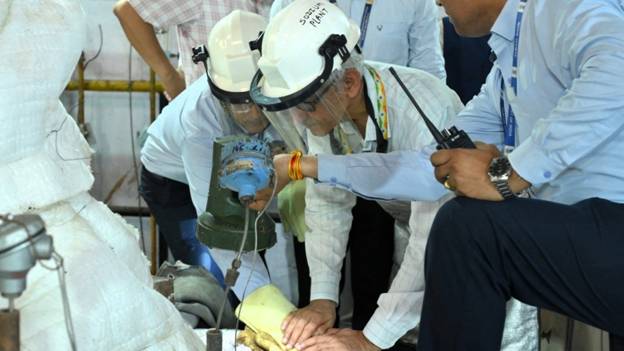
A major highlight of the event was the commissioning of the 24 kA Prototype Sodium Cell, developed for the industrial-scale production of nuclear-grade sodium.
Nuclear-grade sodium is a key material required for India’s Fast Breeder Reactor (FBR) Programme, which forms the second stage of the country’s three-stage nuclear power strategy.
Officials described the project as a major achievement in indigenous engineering and technological innovation. The facility is expected to play a crucial role in supporting the future expansion of India’s nuclear energy programme.
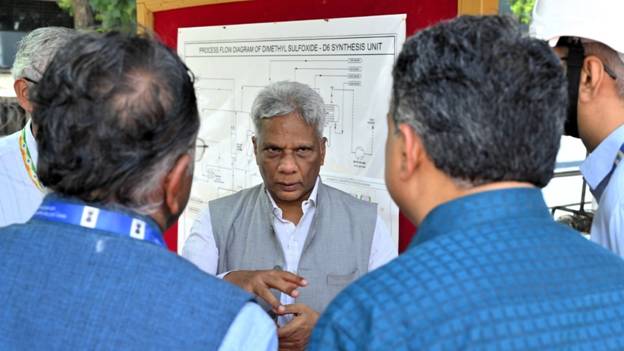
Speaking at the inauguration, Dr. Ajit Mohanty said the two facilities reflect India’s growing strength in developing critical technologies through indigenous research and innovation.
He noted that the projects will strengthen strategic self-reliance, support cutting-edge scientific research, and contribute to the long-term goals of India’s nuclear energy sector.
According to him, the development of domestic nuclear-grade sodium production capabilities is particularly important for advancing the Fast Breeder Reactor Programme and supporting the vision of a technologically advanced and self-reliant India.
The inauguration ceremony was attended by Dr. Ajit Kumar Mohanty, along with K. N. Vyas, former Secretary of the Department of Atomic Energy and former Chairman of the Atomic Energy Commission.
Other senior officials present included V. V. S. A. Prasad, Chairman and Chief Executive of the Heavy Water Board, K. V. Tale, Director (Operation/Technical), and Nitesh Mehta, Officer on Special Duty at HWBF Vadodara.
The Department of Atomic Energy stated that both projects align with the national vision of Atmanirbhar Bharat and contribute to India’s long-term goal of becoming a technologically advanced nation.
The inauguration underscores India’s commitment to innovation, scientific excellence, and strategic independence in critical sectors, while strengthening the country’s nuclear energy infrastructure for future growth.
























No Comments: