Women’s Role in Nation-Building Highlighted at Bhubaneswar Discussion on ‘Shatayu Sangh aur Mahila Sahbhagita’
A Bhubaneswar discussion on ‘Shatayu Sangh aur Mahila Sahbhagita’ highlighted women’s participation in the RSS and their role in nation-building.
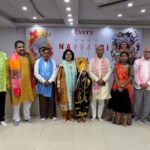
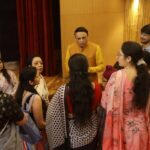
Bhubaneswar, September 3, 2026: A discussion programme on women’s participation in the Rashtriya Swayamsevak Sangh (RSS) and their contribution to social and national development was organised at the Utkal Bipanna Sahayata Samiti in Bhubaneswar.
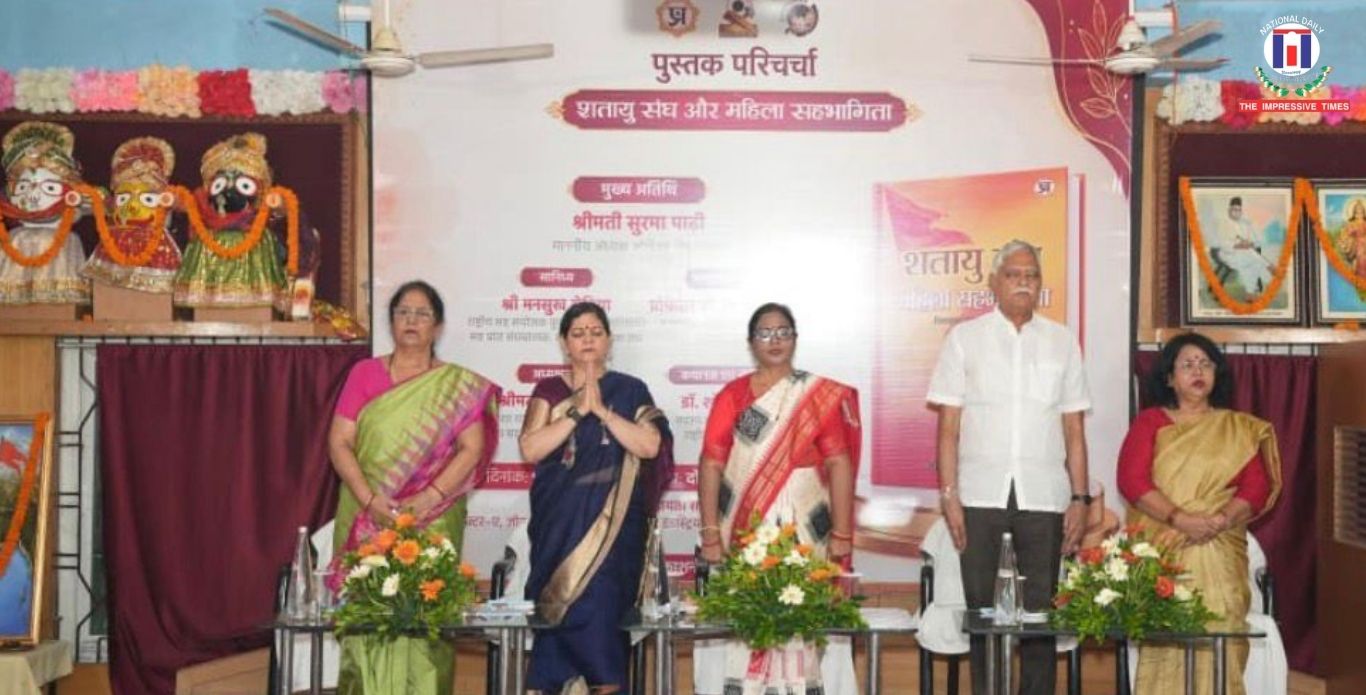
The programme focused on the book ‘Shatayu Sangh aur Mahila Sahbhagita’, authored by Delhi-based writer and social worker Dr. Shobha Vijender, Founder of Sampurna. The event opened with the traditional lighting of the lamp, followed by the collective singing of Vande Mataram.
Odisha Legislative Assembly Speaker Surma Padhi attended the programme as the chief guest. Prof. Dr. Smarapriya Mishra, Vice President of Akhil Bharatiya Sahitya Parishad, Odisha, was present as the guest of honour. The programme was chaired by Chandana Das, National Joint Secretary of Bharatiya Stree Shakti. Mansukh Sethia, National Joint Convener of the Kutumb Prabodhan activity of the RSS and Provincial Sangh Chalak, also participated in the event.
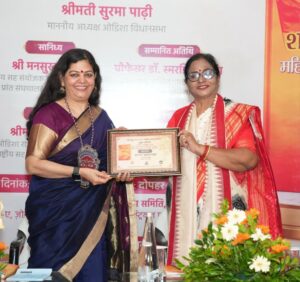
Addressing the gathering, Dr. Shobha Vijender spoke about the various perceptions surrounding women’s participation in the Sangh. She said the historical record and the organisation’s ideological framework offer a different perspective on the role of women.
Referring to the 1936 interaction between Lakshmibai Kelkar Ji and Dr. Keshav Baliram Hedgewar Ji, she highlighted the cooperation that eventually led to the establishment of the Rashtra Sevika Samiti.
According to Dr. Vijender, the Sangh’s approach views women as contributors beyond the boundaries of the household, with an important role in shaping society and supporting nation-building. She said the book brings together experiences and perspectives intended to address misconceptions about women’s involvement in the Sangh.
Prof. Dr. Smarapriya Mishra emphasised the place of women in India’s cultural tradition, describing them as important contributors to the development of families, communities and the nation.
She noted that women today have increasing avenues to participate in social service and national development and called for these opportunities to be used constructively in the service of the country.
Chandana Das described the publication as a compilation reflecting women’s experiences, involvement and sense of family within the Sangh Parivar.
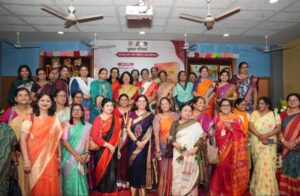
She noted that the book also addresses subjects including the participation of Muslim women and gender equality, alongside accounts of women workers. She encouraged people to read the book, calling it a reflection of women’s contribution to nation-building.
Mansukh Sethia said women had been associated with nation-building activities within the Sangh from its early years. He argued that differences in shakha structures for men and women relate to organisational methods and physical arrangements rather than participation.
He described the book as a collection of facts, ideas and personal experiences that could contribute to a better understanding of women’s role in the Sangh.
Chief guest Surma Padhi referred to Dr. Shobha Vijender’s long association with social service and the experiences of more than 34 women featured in the book.
She said the publication offers a broad account of women’s participation and urged that it be circulated widely and made available in libraries. According to her, wider access to the book could help address misconceptions and prejudices concerning women in the Sangh.
Padhi also highlighted the broader role of women in society, saying that women are not merely members of families but can also play a role in guiding society. Referring to the words of revered Mausi Ji, she said, “Man rides the chariot of society, but woman is the one who drives it.”
The programme ended with the collective rendition of the national anthem, bringing the gathering to a close on a note of patriotism and social responsibility.























No Comments: