A wake up call for ‘One Nation, One Digital Metro Card’ to revolutionize India’s Urban Transit
Proposal Seeks Unified, Account-Based Ticketing System Across All Metro Networks

 The Impressive Times
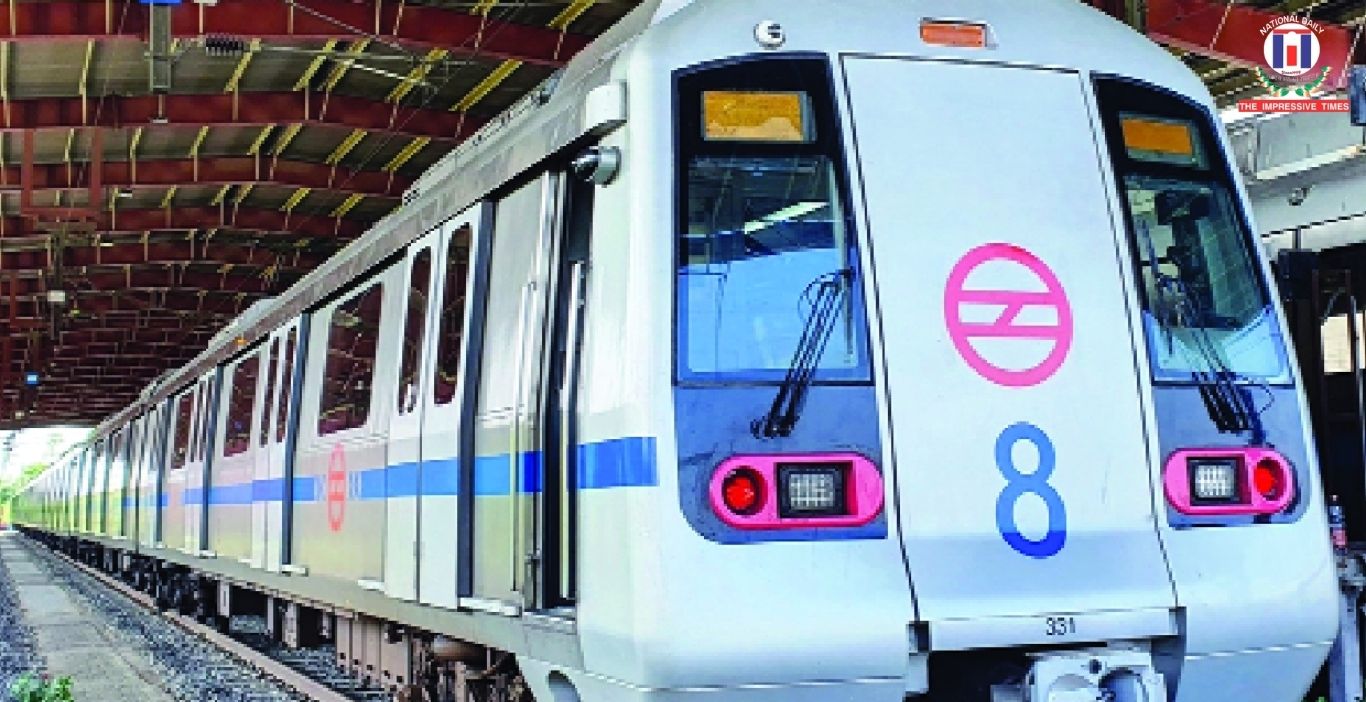
New Delhi: A strong case has been made for introducing a “One Nation, One Digital Metro Card” to create a unified, interoperable and account-based ticketing system for metro rail networks across India. The proposal urges the Ministry of Housing and Urban Affairs to implement a nationwide digital metro card linked to a commuter’s registered mobile number, enabling seamless travel across all metro systems in the country.
Highlighting India’s rapid progress in urban transportation, it was noted that the country now has the world’s third-largest metro rail network, with nearly 1,090 kilometers of operational metro lines across approximately 24 cities, while an almost equal length is under construction. The Union Budget 2026-27 has allocated a record Rs.28,740 crore for metro projects, reflecting the government’s commitment to expanding urban transit infrastructure.
Despite this achievement, concerns were raised over the lack of interoperability among metro smart cards. At present, each metro city issues its own plastic smart card, which cannot be used on metro systems in other cities. This forces commuters travelling between cities to purchase separate cards, creating inconvenience and generating unnecessary plastic waste.
The proposal advocates replacing city-specific plastic cards with a national digital, account-based metro card linked to an individual’s mobile number. Under this system, commuters would be able to use a single digital balance across all metro networks without requiring multiple physical cards.
The proposal cites environmental sustainability as a key reason for the reform. A typical metro smart card contains around five grams of PVC plastic embedded with electronic components, making recycling extremely difficult. Such cards can remain in the environment for centuries, while their production also contributes to about 150 grams of carbon emission each card. Transitioning to a digital system would significantly reduce plastic consumption and support the country’s environmental goals.
Another major concern highlighted is consumer protection. Currently, if a commuter loses a metro card, the stored balance is often lost, with limited or no provision for blocking the card or recovering the funds. Apart from being lost, there is a provision in some cities that the deposited amount also expires when the card is damaged or reaches the end of its validity period. An account-based digital system would ensure that commuters’ money remains securely linked to their account rather than to a physical card. Even if a mobile phone is lost or unavailable, passengers could obtain a QR ticket using their registered mobile number.
The proposal also outlines significant economic advantages. Metro corporations currently incur substantial recurring expenditure on manufacturing, distributing and replacing plastic cards, maintaining recharge machines and handling cash transactions. A digital ticketing ecosystem would help reduce these operational costs while improving efficiency.
It was further pointed out that the discounts available through smart cards are presently accessible only to commuters who can afford the initial security deposit and maintain a minimum balance. A digital account-based system without minimum balance requirements would extend these benefits to students, daily wage earners and other regular passengers, making metro travel more inclusive.
The proposal recommends three key measures: developing a nationwide interoperable digital metro card compatible with all metro networks, enabling all metro systems to adopt QR code and account-based ticketing in a phased manner, and ensuring that commuters’ deposited funds remain fully secure, transferable and recoverable irrespective of the status of the physical card.
Concluding the proposal, it was emphasized that India has already emerged as a global leader in digital payments through the success of UPI. Extending the same digital innovation to public transportation through a unified metro ticketing system would reduce plastic waste, lower operational costs, improve passenger convenience and ensure greater financial security for millions of daily commuters.


























No Comments: