Delhi EV Policy 2026 Can Set National Standard if Affordable Financing Improves: YOUDHA CEO
Ayush Lohia says easier loans and flexible financing models will be crucial to accelerating electric vehicle adoption across India.

 The Impressive Times
New Delhi, July 27:
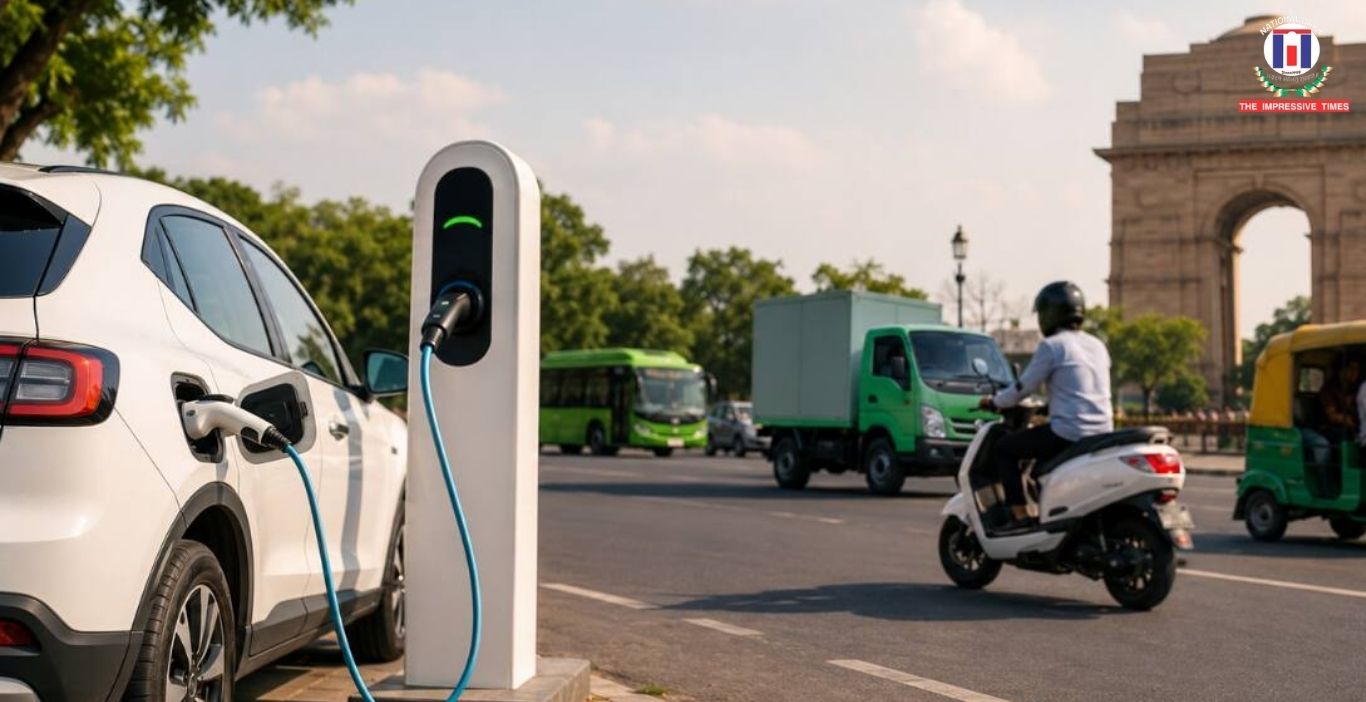
Delhi’s Electric Vehicle Policy 2026 could emerge as a model for other states if supported by affordable financing and wider access to credit, according to Ayush Lohia, Chief Executive Officer of electric mobility company YOUDHA.
Lohia said the policy reflects the Delhi government’s commitment to building a cleaner and more sustainable transport ecosystem while encouraging long-term growth in the electric vehicle sector. He added that a well-defined policy framework provides greater confidence to manufacturers, investors, financial institutions and consumers.
According to him, the policy offers several measures to encourage EV adoption, including purchase incentives, infrastructure expansion and a phased transition towards cleaner mobility. However, he emphasised that the availability of affordable financing remains one of the biggest challenges preventing large-scale adoption, especially among first-time buyers and commercial vehicle operators.
Lohia noted that although purchase incentives reduce the initial cost of electric vehicles, many buyers still face higher borrowing costs and fewer financing options compared to conventional fuel-powered vehicles. He said greater participation from banks, non-banking financial companies (NBFCs) and other lenders is necessary to make electric vehicles more accessible.
He also highlighted innovative ownership models such as Battery-as-a-Service (BaaS), battery leasing and flexible repayment plans, saying these could significantly reduce the upfront cost of electric vehicles, particularly in the two-wheeler and three-wheeler segments where affordability is a major concern.
The YOUDHA CEO added that the next phase of India’s electric mobility growth will depend not only on technological advancements but also on making ownership financially viable for a larger section of consumers.
The Delhi Electric Vehicle Policy 2026, which came into effect on July 1, will remain valid until March 31, 2030. It offers financial incentives for eligible electric two-wheelers, three-wheelers and light commercial vehicles while exempting electric cars priced up to ₹30 lakh from road tax and registration charges.
The policy also outlines a phased transition away from petrol-powered vehicles. From January 2027, new petrol three-wheelers will no longer be registered in Delhi, while registrations of new petrol two-wheelers will cease from April 2028. Existing vehicles in these categories will continue to be permitted on the roads.





































No Comments: