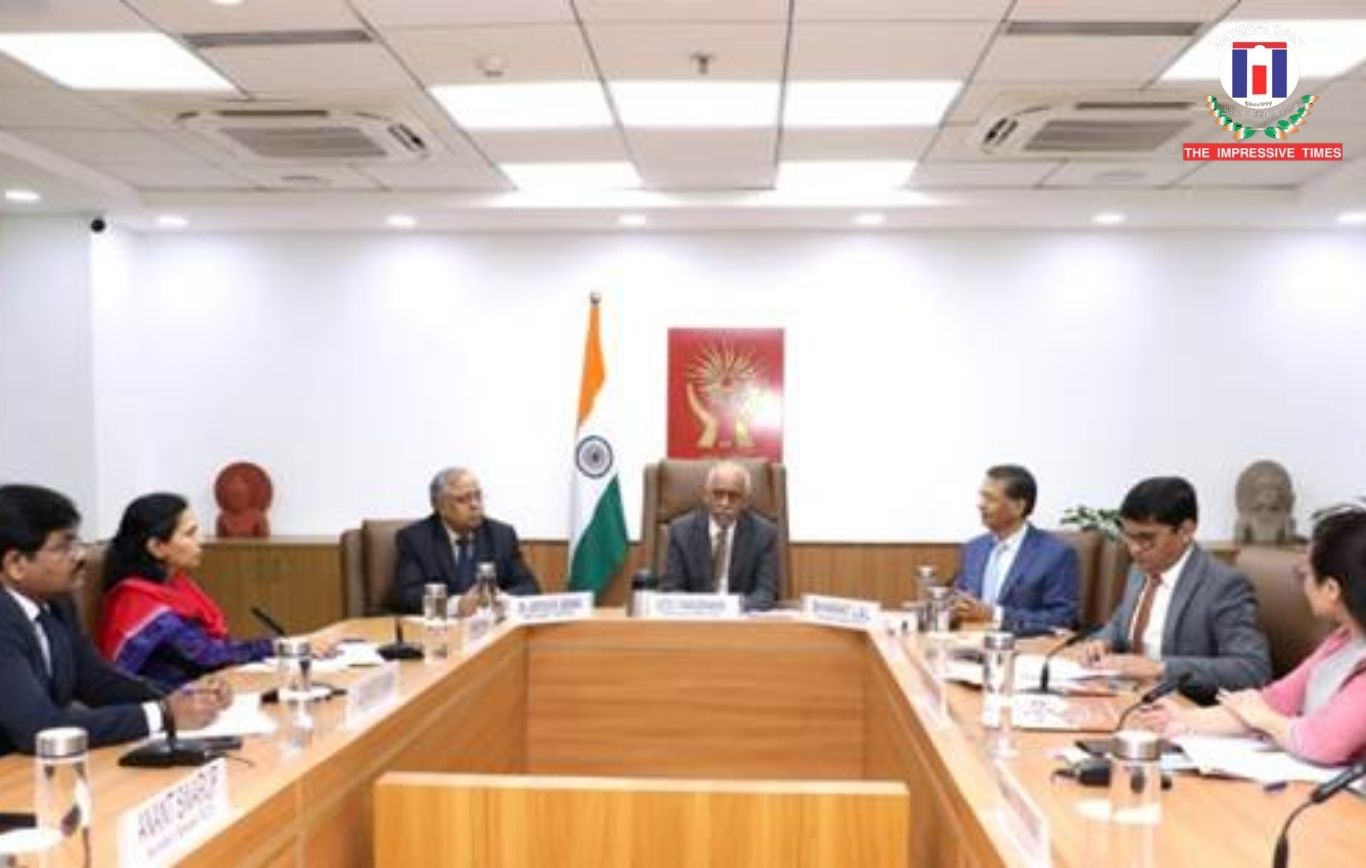
New Delhi, May 13, 2026: The National Human Rights Commission held a core group meeting in New Delhi focused on strengthening protections for migrant workers, with leading policymakers, legal experts, industry representatives and international organisations stressing urgent reforms to improve labour rights, welfare access and implementation of existing laws.
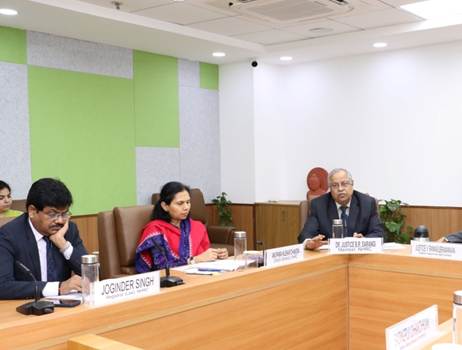
NHRC Chairperson Justice V Ramasubramanian said migrant workers continue to face greater vulnerabilities due to their concentration in the unorganised sector, language barriers, mobility challenges and lack of stable shelter. He emphasised that while India has a robust legal framework for labour rights, stronger execution, interstate coordination and portable social protection systems are essential to ensure effective safeguards.
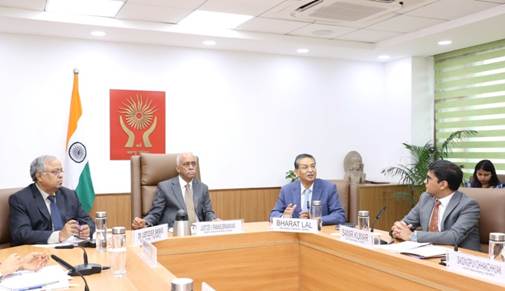
He called for a shift from a compliance based model to a rights based system that prioritises dignity, fair treatment and practical protections for migrant labourers working in sectors such as construction, hospitality, domestic work and small businesses.
NHRC Member Justice Bidyut Ranjan Sarangi highlighted delayed wage payments and inadequate living conditions as major concerns, stating that migrant workers require timely remuneration, secure housing, healthcare and education for their families to maintain a dignified life.
NHRC Secretary General Bharat Lal praised welfare initiatives such as the One Nation One Ration Card scheme but underlined the need to bridge implementation gaps. He noted that migrant workers play a critical role in India’s economy and that improving their welfare can directly boost productivity, social stability and long term development.

The multi stakeholder consultation proposed several practical reforms, including creation of a national migrant workers dashboard, harmonisation of labour databases, stronger grievance redress systems, ESG linked corporate accountability, portable social security benefits, living wage standards and migrant focused urban planning.
Experts also stressed the need for pre departure rights awareness programmes, contractor level welfare compliance, ethical recruitment systems and better integration of migrant workers into public services such as healthcare, housing and education.
The Commission is expected to further evaluate the recommendations before submitting formal policy suggestions to the Union and state governments aimed at improving migrant worker welfare nationwide.








































No Comments: