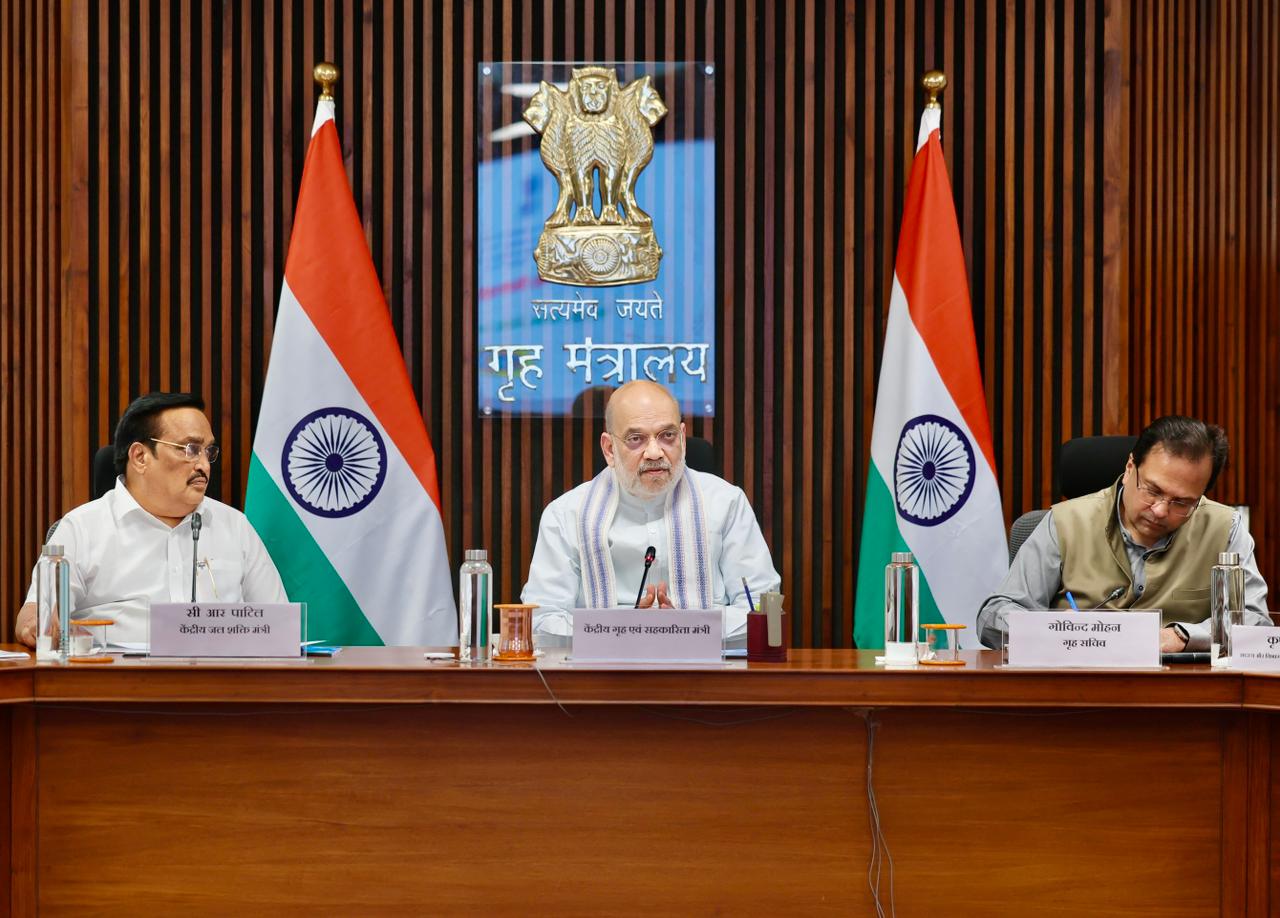
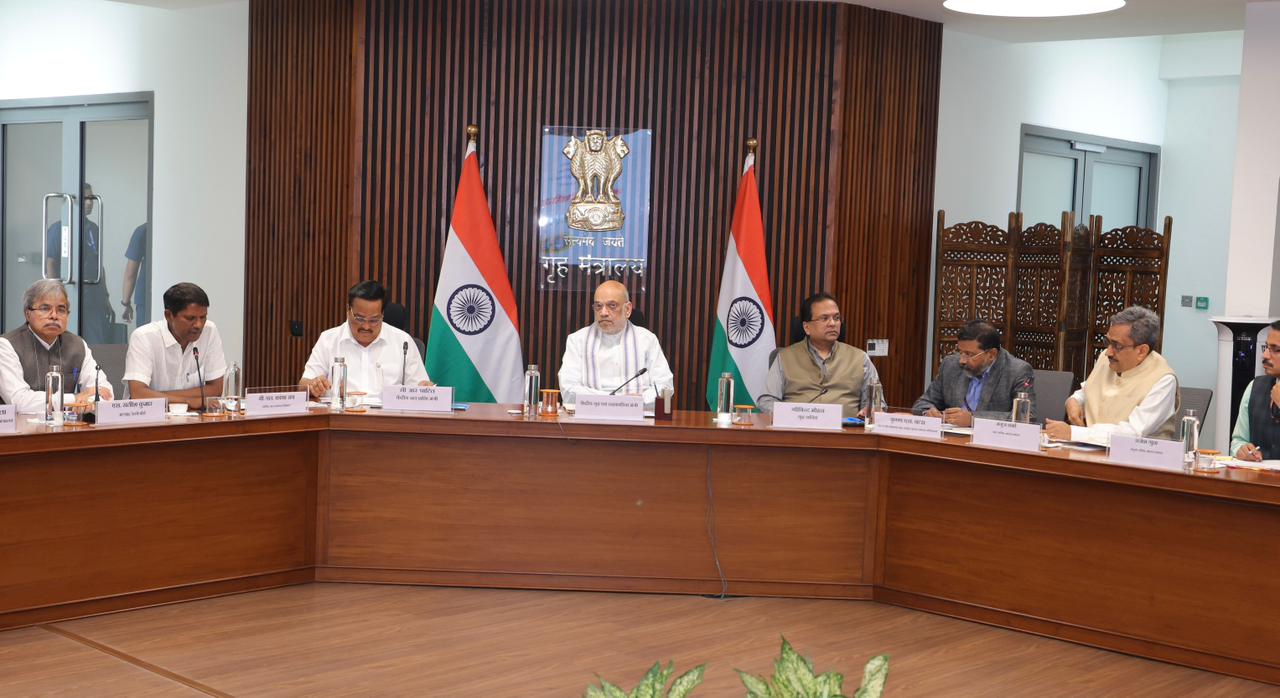
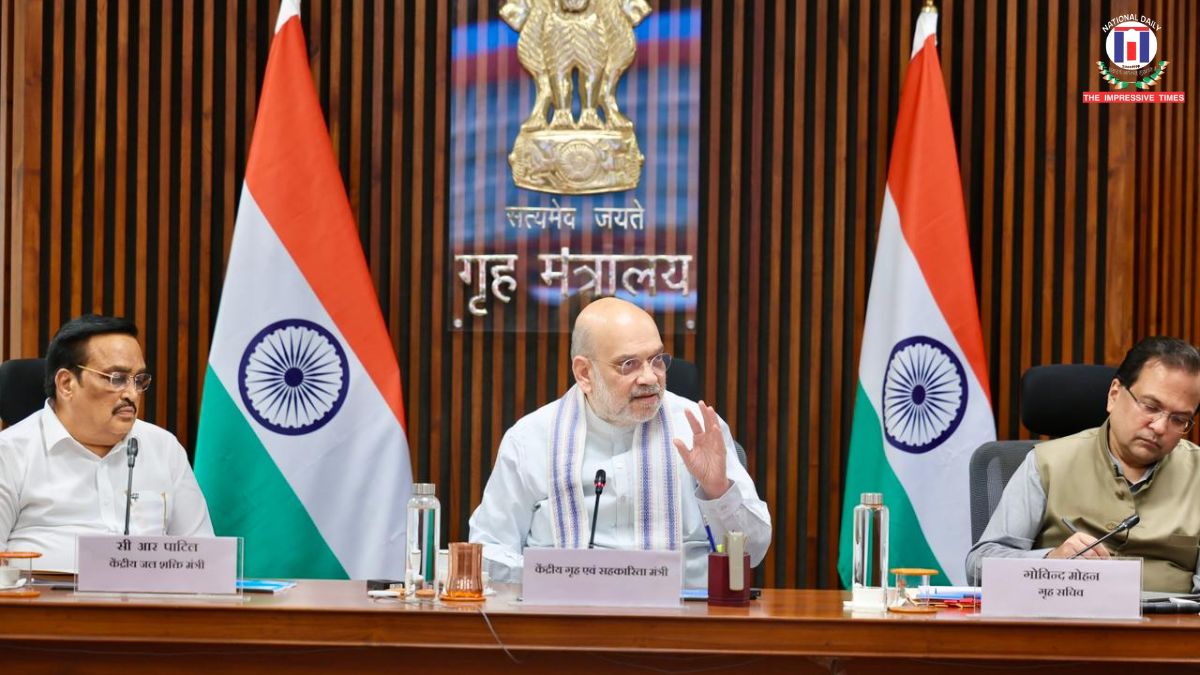
New Delhi, May 10, 2026: Union Home Minister and Minister of Cooperation Amit Shah chaired a comprehensive high-level review meeting in New Delhi to assess India’s preparedness for potential floods and heat waves, emphasizing a strengthened disaster management framework under the vision of Zero Casualty Disaster Management led by Prime Minister Narendra Modi.
During the meeting, Amit Shah stressed the need to establish Flood Crisis Management Teams (FCMTs) in every state and ensure their active functioning to improve rapid response during flood emergencies. He also highlighted that disaster preparedness must move beyond planning and be effectively implemented at the state, district, and municipal levels through strict compliance with guidelines issued by the National Disaster Management Authority (NDMA).
Focus on Early Warning Systems and Flood Forecasting
The Home Minister directed that at least 60 high-risk lakes across vulnerable regions such as Jammu & Kashmir, Ladakh, Uttarakhand, Himachal Pradesh, Arunachal Pradesh, and Sikkim should be integrated into an advanced early warning system with NDMA support. He further emphasized the need for a unified and integrated flood forecasting system at both central and state levels to improve real-time response and accuracy.
Climate Change and Integrated Disaster Planning
Amit Shah underlined the importance of preparing a comprehensive master plan to address evolving climate change patterns. He called for a “Whole of Government” and “Whole of Society” approach to deal with increasing disaster risks, while also urging ministries to improve existing digital systems instead of creating new platforms.
He also instructed that weather forecasts and warnings must be disseminated more widely and effectively so that they reach grassroots communities in time.
Agriculture Protection and Heatwave Mitigation
Special emphasis was laid on reducing agricultural losses caused by heat waves. The Home Minister said that disaster management plans must be strengthened at the ground level to protect farmers and ensure minimal crop damage during extreme weather conditions.
Water Conservation and Environmental Balance
Amit Shah stressed greater focus on water conservation through check dam and storage projects to improve groundwater levels. He also suggested optimal utilization of the CAMPA Fund to support multi-dimensional environmental conservation efforts and maintain ecological balance.
Monitoring, Review, and Institutional Coordination
He directed NDMA to assess how effectively states are implementing guidelines related to floods, heat waves, and forest fires. Additionally, he called for improved evaluation of monsoon forecasting accuracy, casualty analysis, and damage assessment to further refine preparedness strategies.
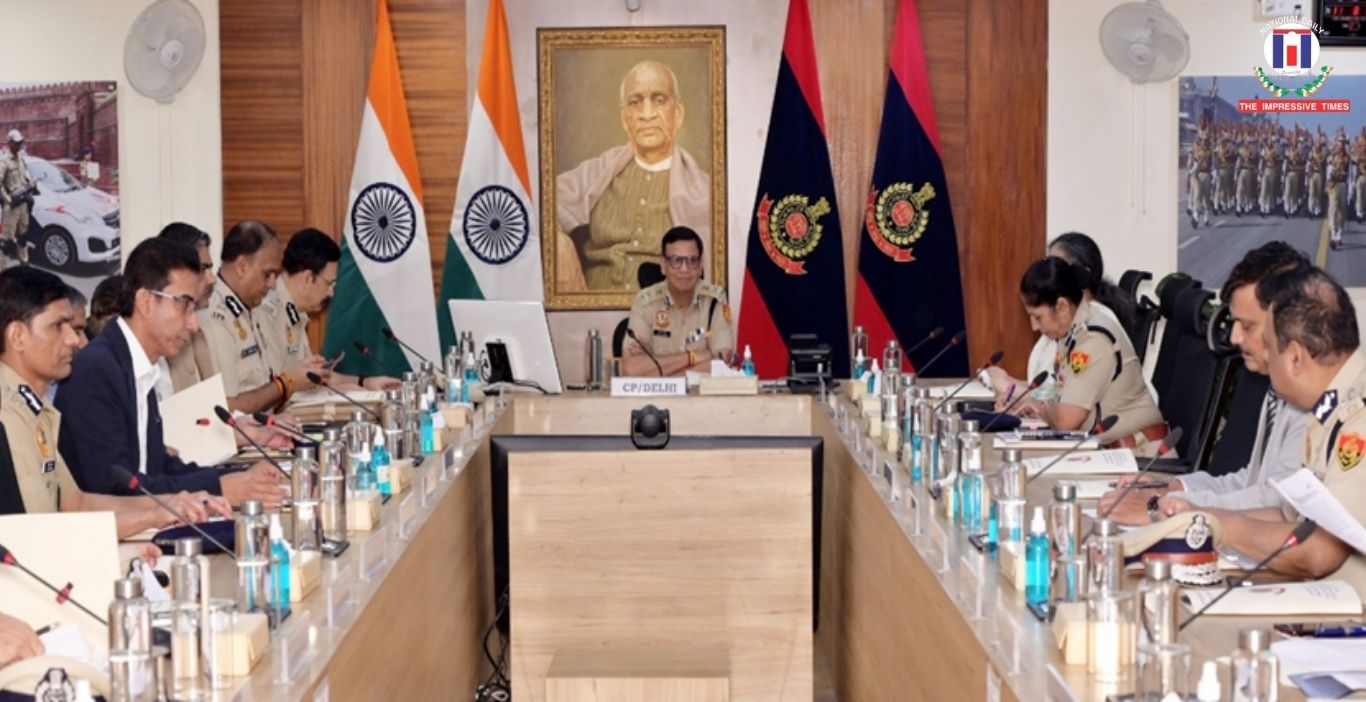
Senior officials from the Ministry of Home Affairs, NDMA, NDRF, India Meteorological Department (IMD), Central Water Commission (CWC), National Remote Sensing Centre (NRSC), and other agencies attended the meeting, reaffirming coordinated national efforts toward disaster resilience.






































No Comments: