Budget 2026–27 Pushes SEZ Reforms to Boost Exports and Global Competitiveness
Government unveils special measures to strengthen manufacturing units and attract global investment

 The Impressive Times
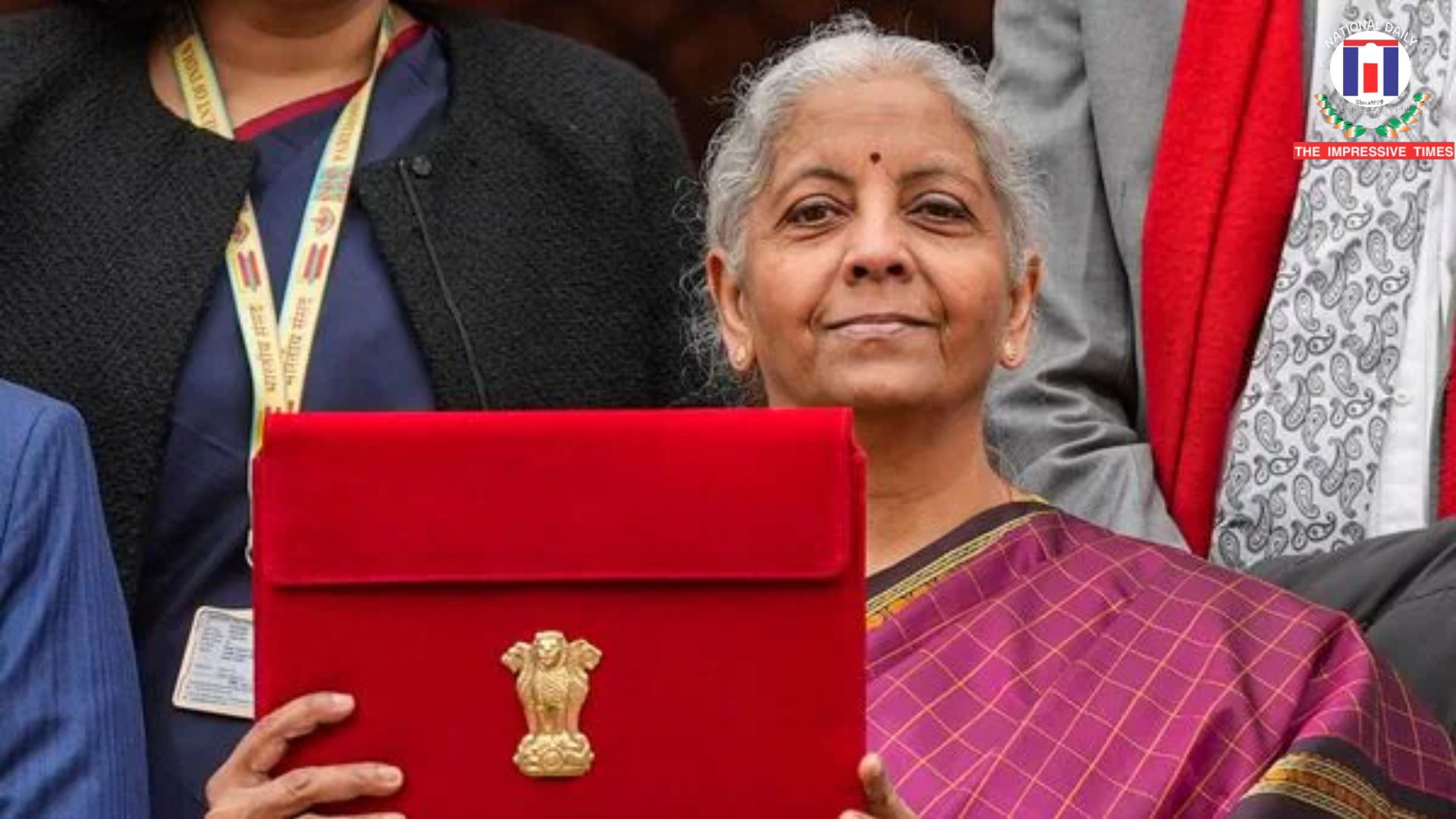
New Delhi, March 28, 2026: The Union Budget for 2026–27 has introduced a significant reform package aimed at enhancing the performance of Special Economic Zones, positioning them as key drivers of India’s export growth and global competitiveness. A major highlight is a one time provision allowing eligible manufacturing units within SEZs to sell a limited portion of their output in the domestic market at concessional duty rates.
This move is expected to improve capacity utilisation while maintaining the export focused nature of these zones. Authorities indicated that the volume of such domestic sales will be linked to export performance, ensuring balance between domestic and international market priorities.
Special Economic Zones have long served as critical pillars in India’s trade and investment ecosystem. These designated areas operate under a distinct regulatory framework, offering duty free imports, tax benefits, and streamlined approvals to businesses engaged in manufacturing, services, and warehousing.
As of February 2026, India has 368 notified SEZs, reflecting the scale of the programme. Their contribution to the economy has remained strong, with exports from operational zones crossing Rs 11.70 lakh crore during the current financial year up to December, marking a growth of over 32 percent compared to the same period last year.
The government has also emphasized the importance of SEZs in generating employment and attracting investments. More than 31 lakh people are currently employed across these zones, while total investments have reached nearly Rs 7.86 lakh crore.
In addition to the latest reform, policy support continues to evolve. Amendments made in 2025 have paved the way for setting up dedicated SEZs for semiconductor and electronic component manufacturing, sectors that require large investments and longer development cycles. These changes aim to strengthen domestic production capabilities and reduce reliance on imports in critical technology areas.
Officials highlighted that SEZs have come a long way since the introduction of the policy in 2000 and the enactment of the Special Economic Zones Act in 2005. With improved infrastructure, stable policies, and investor friendly measures, these zones are now seen as vital gateways for integrating India into global value chains.
The latest budget initiatives are expected to further reinforce the role of SEZs in driving exports, boosting industrial growth, and enhancing India’s position in the global economy.








































No Comments: