Tribal India Transforms Forest Traditions into Global Market Success
Artisans Embrace Innovation and Heritage to Redefine Economic Opportunities


 The Impressive Times
New Delhi, March 27, 2026: India’s tribal communities are redefining the connection between tradition and modern markets by turning forest-based skills into high-value products that appeal to consumers both nationally and internationally. This shift from subsistence living to entrepreneurial activity highlights a quiet but powerful revolution in tribal heartlands, where culture, craft, and commerce are increasingly intertwined.
The transformation is on full display at the Bharat Tribes Fest 2026, held from March 18 to 30 at Sunder Nursery in New Delhi. Organized by the Tribal Cooperative Marketing Development Federation of India in partnership with the Ministry of Tribal Affairs, the festival showcases tribal artistry, entrepreneurship, and cultural heritage. It creates a platform for artisans to present their crafts and culinary offerings while connecting with broader markets.
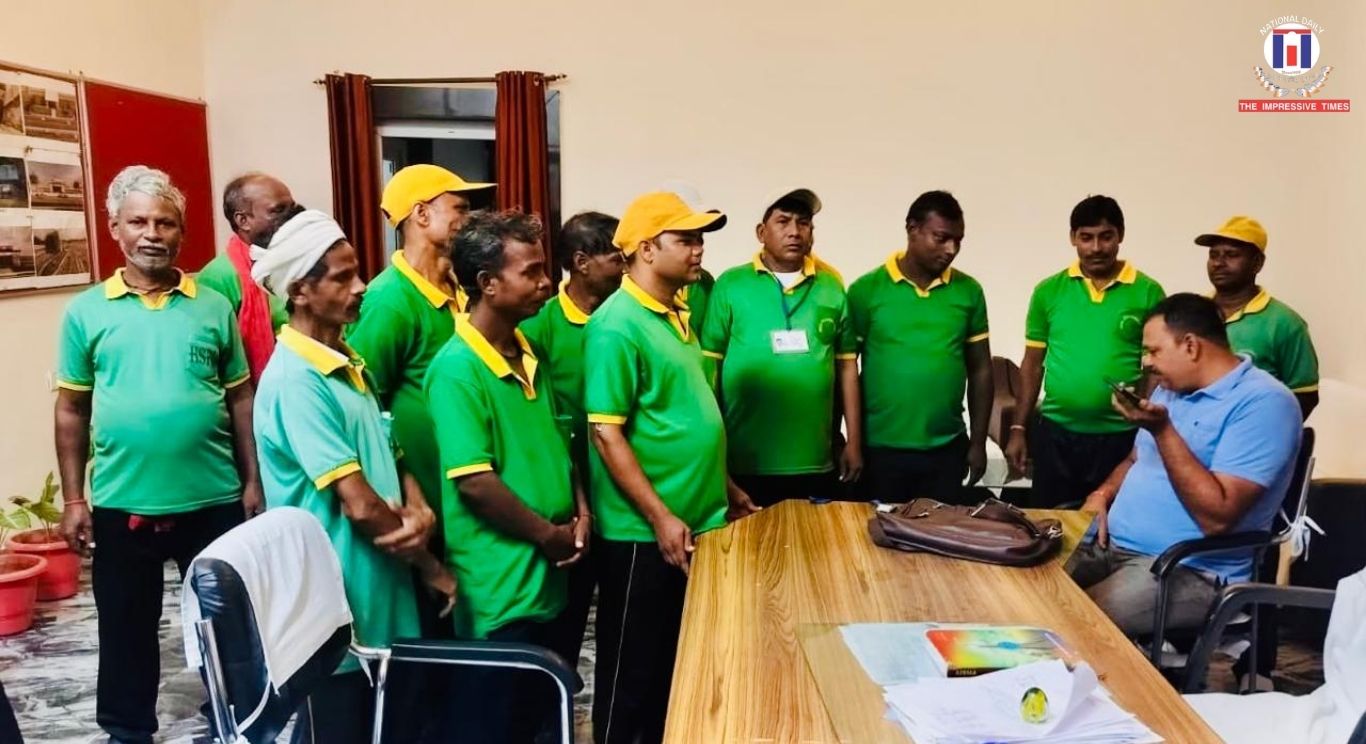
Key initiatives such as RISA, Van Dhan Yojana, and the Tribes India network are empowering artisans to move beyond raw material collection into value addition, branding, and premium market positioning. Van Dhan Vikas Kendras operate as community-owned hubs where tribal producers collaborate in self-help groups to process, package, and market products, gaining access to national retail spaces, e-commerce, and international buyers.
Women play a pivotal role in this transformation, emerging as leaders, entrepreneurs, and custodians of quality. From Mahua and tamarind processing in Bastar to Munja grass weaving in Uttarakhand, women are turning traditional knowledge into sustainable incomes while preserving cultural heritage.
Young innovators like Debongshi Chakma from Mizoram and Urmila Sonwar from Jharkhand illustrate the new generation of tribal artisans blending tradition with modern design sensibilities. Elders like Sangeetha of the Toda community continue to preserve fragile art forms, ensuring that centuries-old embroidery reaches new audiences.
Through initiatives like RISA and TRIFED-led Tribes India networks, tribal India is moving from forest-based livelihoods to active participation in global value chains, creating a model of development that is sustainable, inclusive, and culturally grounded.






















No Comments: