LPG Shortage Woes Mount Across India: From University Canteens to Restaurants, Cities Feel the Pinch
LPG Shortage Hits India: Cities Face Crisis from Kitchens to Restaurants

 The Impressive Times
Delhi, Mumbai, Bengaluru, Kolkata, March 13, 2026: Households, eateries, and transport services across major Indian cities are grappling with growing difficulties as liquefied petroleum gas (LPG) supplies tighten, triggered by the ongoing conflict in West Asia. Disruptions in global energy shipments have left both domestic and commercial consumers scrambling, even as authorities urge calm and warn against panic buying.
In Delhi, university and school canteens are feeling the impact firsthand. At Jawaharlal Nehru University, menu options have been curtailed, while a canteen in the School of Languages has stopped offering snacks, serving only tea. The Delhi School of Economics has temporarily removed its popular mutton dosa, with owners warning that more items may be cut if supply issues continue. Students report resorting to sharing meals or seeking smaller household kitchens that can operate on limited gas.
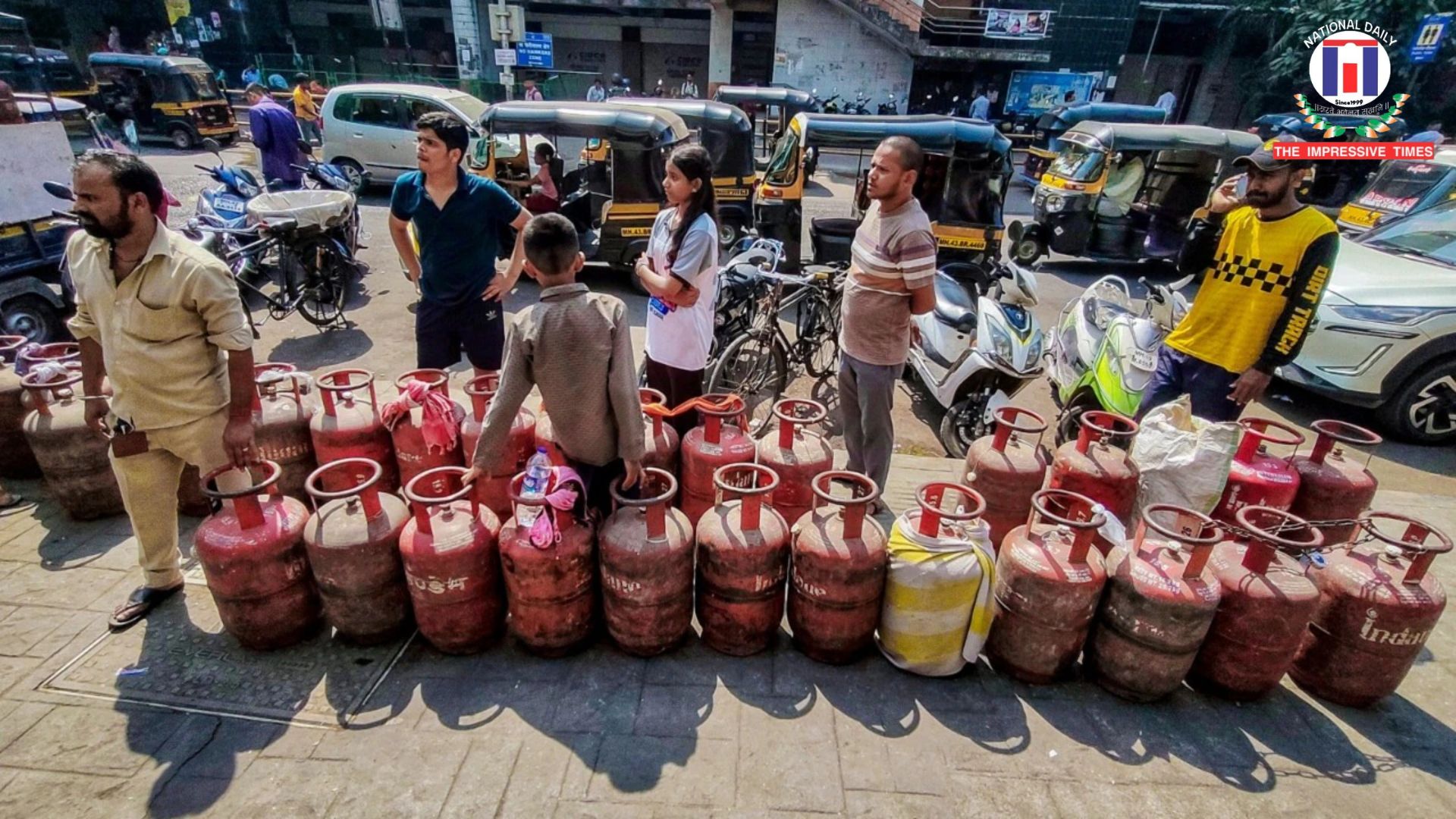
Over Mumbai, long queues have become a daily scene. Many single-cylinder households in suburbs like Kandivali, Dharavi, and Bhandup have been forced to take leave from work just to secure refills. In areas where piped natural gas is unavailable, residents depend entirely on LPG suppliers, leaving them vulnerable to shortages. One resident from Malad recounted waiting nearly an hour outside a dealer’s office, despite booking a cylinder weeks in advance.
In Pune, student mess operators are struggling with irregular LPG deliveries, prompting price hikes or temporary shutdowns. Students say the disruption is affecting their budgets and daily routines, with many sharing a single tiffin to manage rising costs.
Bengaluru’s auto-rickshaw drivers, who rely on LPG, are seeing sudden fuel price spikes, with rates increasing nearly ₹10 per litre within two days. Municipal canteens, like the Indira Canteens providing subsidised meals for the urban poor, are also under pressure due to limited gas availability.
Restaurants across Kolkata have trimmed menus, raised prices, or switched to wood-fired cooking to cope with the shortage, while in Ajmer, hotels are increasingly turning to coal and wood. Traders report higher demand driving up prices, with coal now around ₹35 per kg and wood nearly ₹10 per kg.
As the West Asia crisis continues to disrupt energy supply chains, experts warn that the LPG pinch in India could worsen, affecting households, small businesses, and food services heavily dependent on gas. Consumers and businesses alike are now exploring alternative fuels to navigate an uncertain supply landscape.



































No Comments: