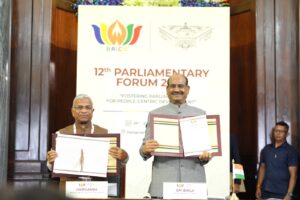
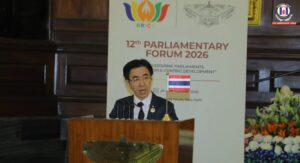
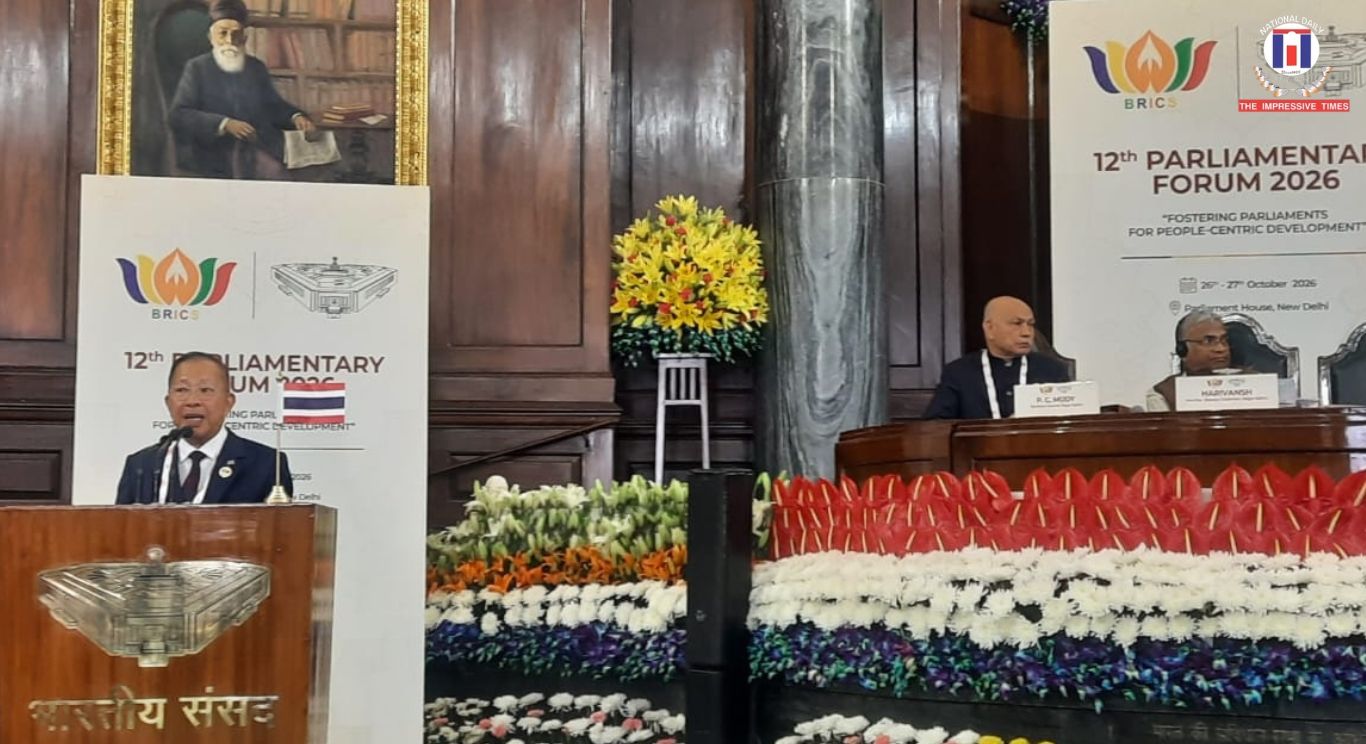
New Delhi- The 12th BRICS Parliamentary Forum concluded in New Delhi on Tuesday with the adoption of a Joint Declaration reaffirming the commitment of participating nations to global peace, international cooperation, sustainable development and inclusive governance.
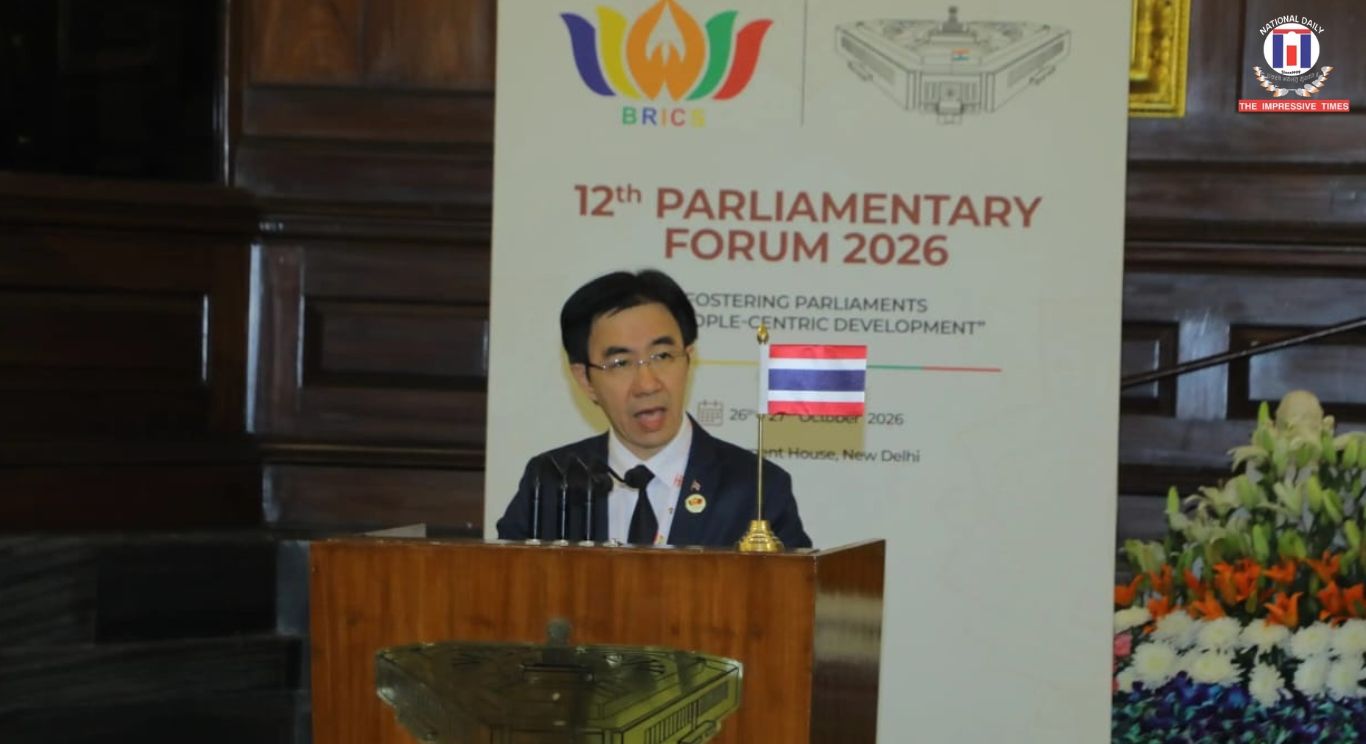
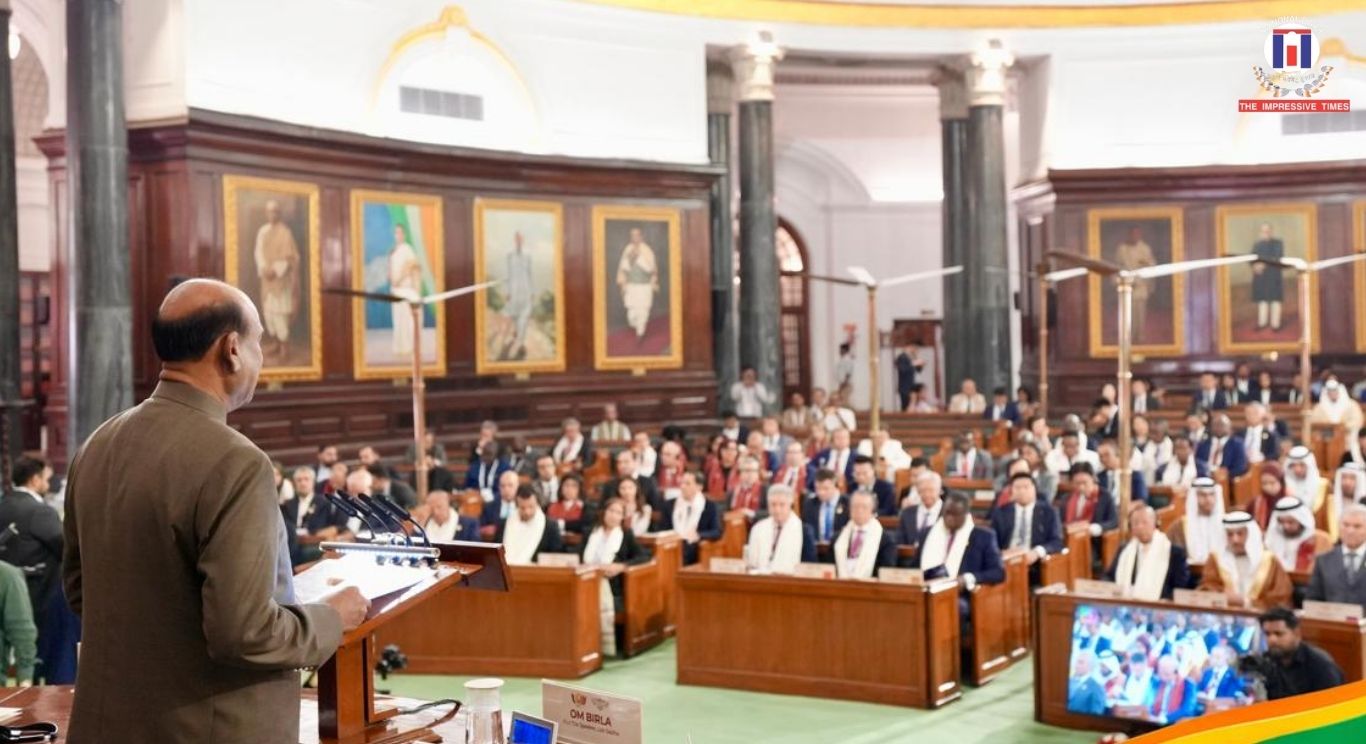
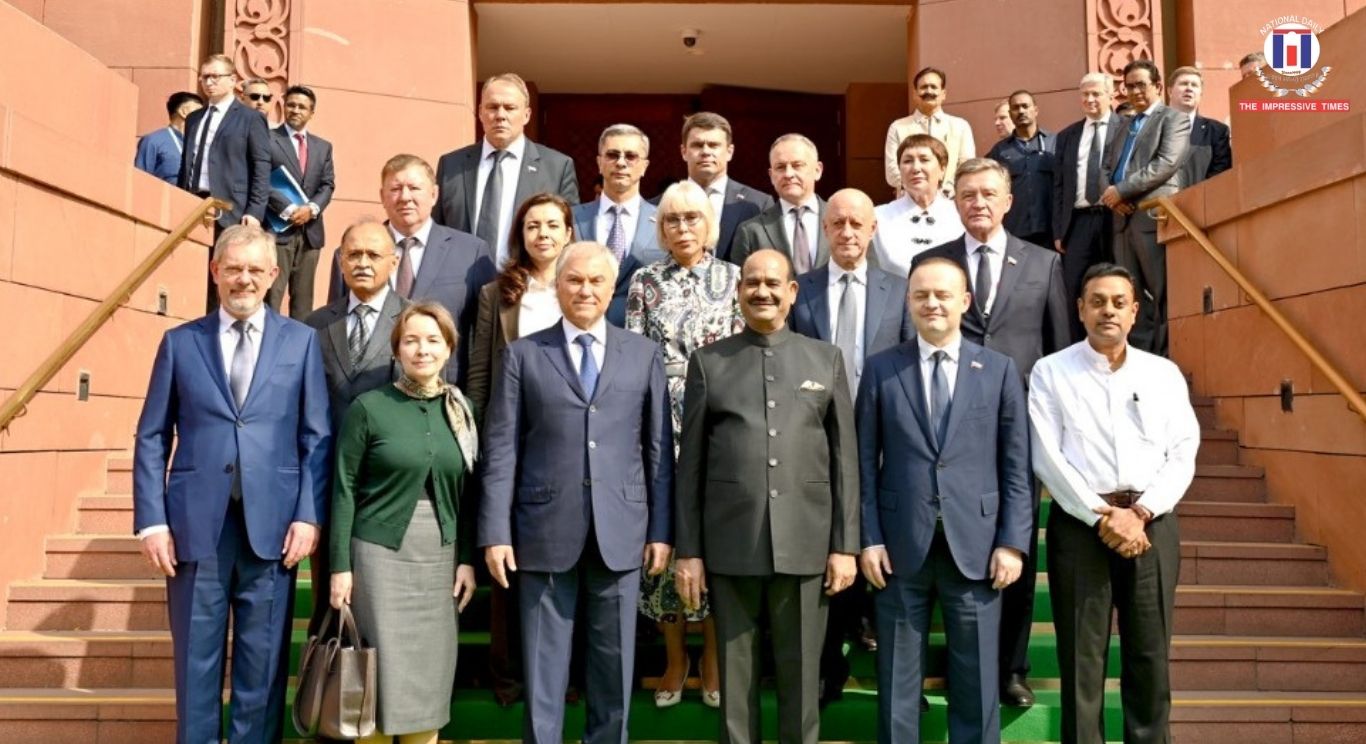
The two-day parliamentary gathering, inaugurated by Lok Sabha Speaker Om Birla on October 26, brought together presiding officers, parliamentarians and representatives from BRICS member and partner countries to discuss pressing global challenges and strengthen legislative cooperation.
The Joint Declaration reaffirmed the principles of the United Nations Charter, including sovereign equality, mutual respect, non-interference in internal affairs and the peaceful settlement of international disputes.
It also endorsed reforms in global governance institutions, stronger measures against terrorism and greater representation for developing nations in international decision-making.
One of the major outcomes of the forum was the renewed commitment to reforming the United Nations Security Council (UNSC) to make global governance more inclusive and representative.
Reaffirming the consensus reflected in the New Delhi Declaration, participating parliaments supported reforms aimed at strengthening the voice of the Global South in international institutions.
The declaration emphasised that developing countries must receive fair representation in global decision-making processes, particularly on issues concerning economic development, international security and sustainable growth.
The move reflects growing demands for international institutions to better represent contemporary geopolitical and economic realities.
The Joint Declaration also adopted a firm position against terrorism, condemning cross-border terrorism, terrorist financing and the provision of safe havens to terrorist organisations.
Building on the commitments outlined in Paragraph 40 of the New Delhi Declaration, the participating nations called for zero tolerance towards terrorism and an end to double standards in international counter-terrorism efforts.
The declaration reinforced the importance of coordinated international action to combat terrorist networks, disrupt financial support systems and prevent territories from being used to facilitate terrorist activities.

The emphasis on counter-terrorism was presented as a significant outcome aligned with India’s longstanding security priorities.
Delivering the valedictory address, Lok Sabha Speaker Om Birla stressed that lasting solutions to global challenges can only emerge through dialogue, mutual respect and international cooperation.
Addressing parliamentary representatives from BRICS member and partner nations, Birla highlighted the importance of collective efforts in addressing global instability, economic uncertainty and regional conflicts.
He emphasised that despite differences in national circumstances and development priorities, BRICS countries share a common commitment to peace, prosperity and human welfare.
According to Birla, sustainable global peace requires respect for national sovereignty, peaceful resolution of disputes and equitable opportunities for development.
He further observed that global peace must ensure security, dignity, justice and a better future for younger generations.
The Lok Sabha Speaker urged international leaders to recognise their responsibility towards future generations, stating that the decisions taken today will shape the safety, stability and prosperity of tomorrow’s world.
Highlighting the broader significance of BRICS cooperation, Birla called for greater recognition of the aspirations and development priorities of Global South countries.
He stressed that the success of BRICS should not be measured solely by the progress of its individual member nations but also by its contribution to the wider international community.
The Speaker advocated a global framework based on sovereign equality, mutual respect and fair participation in international decision-making.
He also emphasised the need for stronger cooperation among developing economies to address shared challenges related to economic inequality, climate change, technological transformation and sustainable development.
Speaking about the evolving role of democratic institutions, Birla said that parliaments must go beyond their traditional legislative responsibilities and strengthen their role as institutions of dialogue, accountability and public trust.
He described legislatures as essential platforms for building consensus, representing citizens’ aspirations and ensuring responsible governance.
The Speaker urged parliamentary institutions worldwide to adopt more transparent, efficient and citizen-centric approaches to governance.
He stressed that strengthening public confidence in democratic institutions requires greater accountability, responsiveness and meaningful engagement with citizens.
The forum also highlighted the growing importance of artificial intelligence and digital innovation in improving parliamentary efficiency and governance.
Birla observed that responsible adoption of AI and digital technologies could streamline legislative processes, improve lawmakers’ efficiency and encourage greater public participation.
However, he emphasised that technological advancement must remain consistent with human values, ethical principles, transparency and accountability.
The Joint Declaration also supported initiatives related to Digital Public Infrastructure (DPI), ethical AI governance and the expansion of digital cooperation among participating nations.
These measures aim to strengthen institutional capabilities, bridge technological gaps and support inclusive digital transformation.
Sustainable Development and Climate Cooperation Remain Key Priorities
Alongside governance and security, the Joint Declaration reaffirmed the importance of sustainable development and coordinated international climate action.
The participating nations supported the principle of Common but Differentiated Responsibilities and Respective Capabilities (CBDR-RC), recognising that countries have different capacities and responsibilities in addressing environmental challenges.
The declaration also highlighted the importance of strengthening development cooperation, promoting technological innovation and ensuring that sustainability initiatives remain inclusive.
The discussions reflected a shared commitment to addressing climate challenges while safeguarding the development needs of emerging and developing economies.
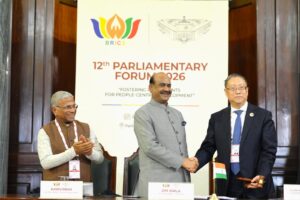
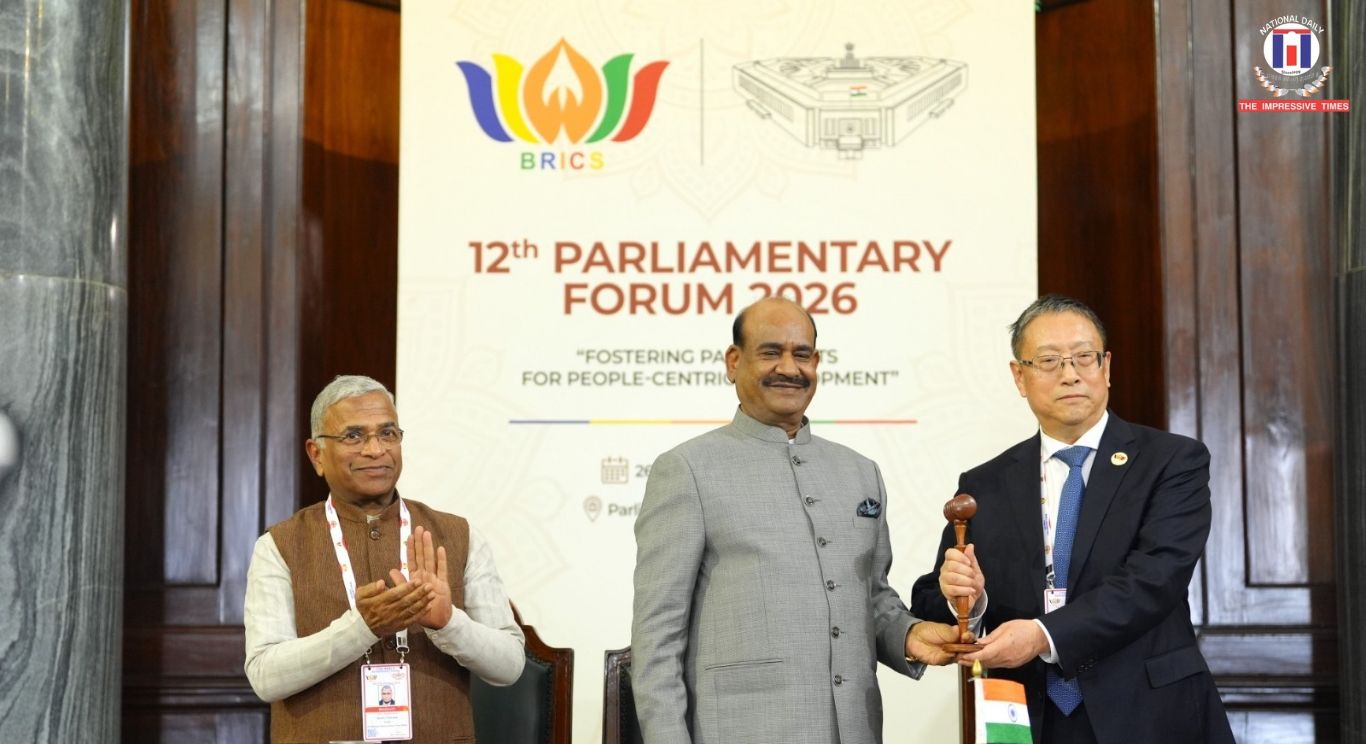
As the forum concluded, Lok Sabha Speaker Om Birla extended his congratulations and best wishes to China, which is set to assume the BRICS chairship in 2027.
Expressing confidence in continued parliamentary cooperation, Birla hoped that the partnership among BRICS nations would grow stronger under China’s leadership.
He reiterated the importance of maintaining constructive dialogue and strengthening collaboration among member and partner countries.
The conclusion of the 12th BRICS Parliamentary Forum marked another step towards enhancing parliamentary diplomacy and promoting collective approaches to international challenges.
With the adoption of the Joint Declaration, participating nations reaffirmed their commitment to global peace, institutional reform, counter-terrorism cooperation, responsible technological development and sustainable economic progress.
The forum concluded with a call for parliaments worldwide to act as strong advocates of peace, cooperation, inclusive development and shared prosperity.





































No Comments: