The Psychology Behind Rearranging Your Room When Life Feels Uncertain
Why do people rearrange rooms during stressful or uncertain times? Explore the psychology behind seeking control, routine and a fresh start.

 The Impressive Times
TIT Correspondent
info@impressivetimes.com
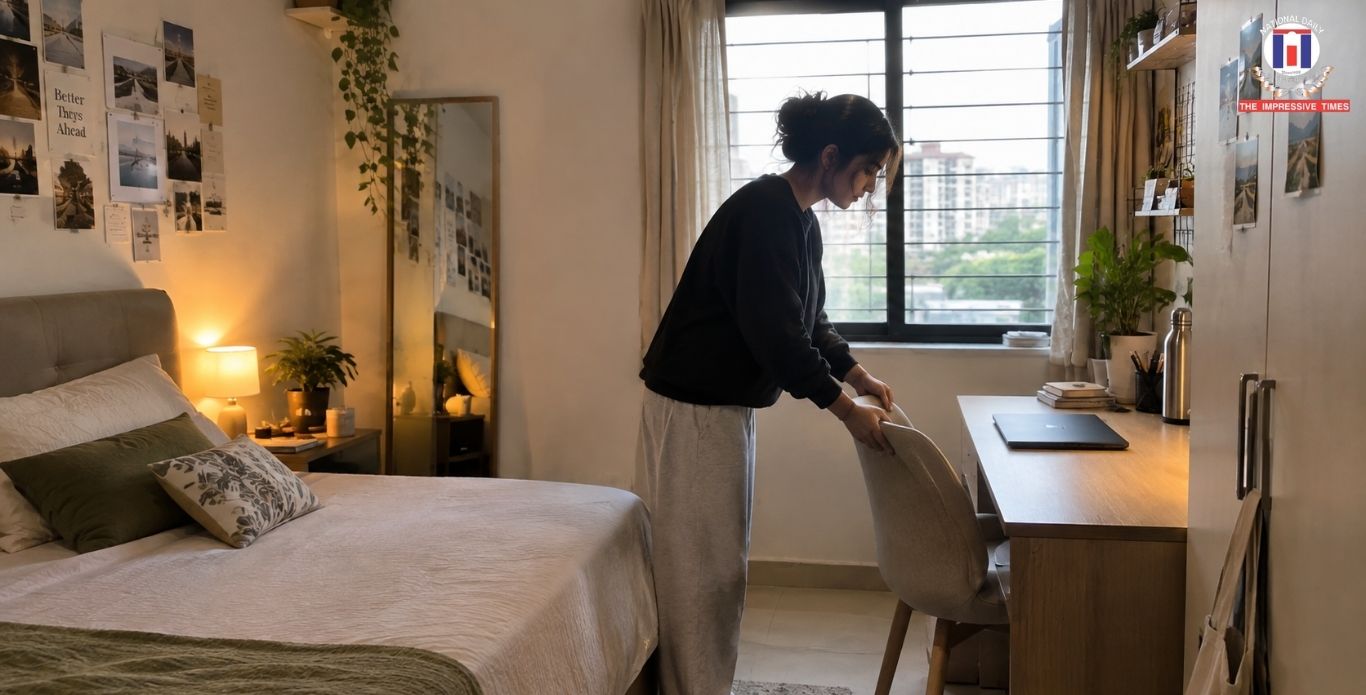
When life feels unpredictable, people often look for something they can control. For some, that may mean making a to-do list, cleaning their phone gallery or changing their daily routine. For others, it starts with something much simpler — moving the bed, reorganising a wardrobe or completely rearranging a room.
What may look like an ordinary home makeover can sometimes reflect a deeper psychological need for order and control.
Why uncertainty makes people reorganise
Periods of uncertainty can make everyday life feel less predictable. Changes at work, relationship difficulties, financial concerns, academic pressure or simply not knowing what comes next can create a sense that things are outside one’s control.
Changing the physical environment offers an immediate and visible task. Unlike larger problems that may not have quick solutions, moving a table or organising a cupboard produces an instant sense of progress.
Psychologists often associate this behaviour with the desire for control, predictability and environmental mastery. While rearranging furniture does not solve the underlying problem, it can make the surrounding environment feel more manageable.
Your room can become a “reset button”
The spaces people spend the most time in can influence how they experience their daily lives. A cluttered or uncomfortable room may constantly remind someone of unfinished tasks, while a more organised environment can make routines feel easier to manage.
This is one reason people may suddenly feel motivated to clean their room after a stressful period or begin changing their surroundings after a major life transition.
The act itself can also create a psychological feeling of starting over.
Moving a desk closer to a window, changing bedsheets, adding plants or removing objects associated with an earlier phase of life can make a familiar room feel new without requiring a major lifestyle change.
Why small changes can feel surprisingly satisfying
Rearranging a room provides immediate feedback. You make a decision, take action and see the result.
That simple sequence can be particularly rewarding when other areas of life feel uncertain.
It can also create a temporary break from repetitive thoughts. Focusing on where furniture should go or deciding what belongs in a drawer requires attention, which can shift the mind away from worrying about things that cannot immediately be resolved.
However, this does not mean that reorganising a room is a treatment for anxiety or emotional distress. It is better understood as one everyday coping behaviour that some people find comforting.
The “new chapter” effect
Room makeovers are also closely connected to life transitions.
Someone starting a new job may create a dedicated workspace. A student preparing for an important examination may reorganise a study area. Someone moving on from a relationship may remove old photographs or change the arrangement of their bedroom.
These physical changes can act as personal markers between different phases of life.
The room remains the same physical space, but changing it can help reinforce the feeling that something has changed internally as well.
Social media has changed how we see our spaces
The popularity of room-makeover videos, home organisation content and aesthetic interiors has also made personal spaces more visible.
Platforms such as Instagram, Pinterest, YouTube and TikTok have turned bedrooms and workspaces into lifestyle expressions. A room is no longer viewed only as a place to sleep or work; it can also represent someone’s personality, routines and aspirations.
That can be motivating, but it can also create pressure to maintain a perfectly organised or aesthetically pleasing home.
Experts generally caution against confusing an attractive room with a successful life. A functional space that makes someone comfortable is more valuable than one designed purely for social media.
There is also another side to the behaviour.
Reorganising can be useful when it helps someone regain a sense of routine, but repeatedly cleaning or rearranging everything to avoid confronting an important problem may provide only temporary relief.
For example, spending hours repeatedly reorganising a desk instead of beginning an important task may turn productivity into procrastination.
The key may therefore be balance: make the environment work better for you, but do not expect a room makeover to resolve problems that require a different kind of action.
A small reset can still matter
The next time someone suddenly decides to move their bed at midnight or reorganise their wardrobe after a difficult week, it may not simply be about interior design.
Sometimes, changing the space around us is an attempt to create a little order when life itself feels difficult to predict.
A rearranged room cannot change everything happening outside its walls. But creating a space that feels calmer, more functional and more personal can provide a small sense of control — and sometimes, that is exactly where a new routine begins.













































No Comments: