The Rise of “Low-Effort Living” and Why People Are Tired of Constant Productivity
Rather than encouraging people to become less ambitious, the trend reflects a growing desire to make everyday life simpler and less exhausting.


 The Impressive Times
TIT Correspondent
info@impressivetimes.com
For years, modern life has been shaped around the idea of doing more. Wake up early, exercise, learn a new skill, build a career, stay socially active, maintain a healthy routine and still find time for self-care. Even rest has increasingly been presented as something that should be optimised.
But a quieter lifestyle idea is now gaining attention — “low-effort living.”
Rather than encouraging people to become less ambitious, the trend reflects a growing desire to make everyday life simpler and less exhausting. It is about choosing routines that are sustainable instead of constantly trying to maximise productivity.
When productivity becomes a lifestyle
The pressure to be productive no longer ends with office hours.
Social media is filled with morning routines, fitness challenges, reading goals, productivity systems and carefully planned schedules. While such content can be motivating, it can also create the feeling that every hour should contribute to self-improvement.
For many young adults, this has created a strange situation where even leisure can feel like another task on the checklist.
Watching a film may become “screen time”. Taking a nap may feel unproductive. Spending an afternoon doing nothing can create guilt.
Low-effort living challenges that mindset by asking a simpler question: What if everything does not need to be optimised?
Choosing convenience without feeling guilty
Low-effort living can be as simple as preparing an easy meal instead of an elaborate recipe, repeating favourite outfits, keeping a simplified skincare routine or choosing a short walk over an intense workout on a tiring day.
The objective is not laziness. It is reducing unnecessary friction.
People are increasingly recognising that constantly making decisions can itself become exhausting. Simplifying small parts of daily life can leave more mental energy for work, relationships and activities that genuinely matter.
Why young people are drawn to simpler routines
Young adults are navigating multiple forms of pressure at once — career uncertainty, financial responsibilities, digital overload and the expectation to constantly keep up.
At the same time, smartphones have made it difficult to completely switch off. Notifications, messages, work updates and social media can follow people throughout the day.
In this environment, a simpler routine can feel like a form of relief.
Instead of trying to wake up at 5 am, exercise for an hour, meditate, read 30 pages and complete a dozen tasks before breakfast, someone might simply aim to get enough sleep, eat breakfast and begin the day without rushing.
The routine may look less impressive online, but it can be easier to maintain in real life.
The difference between low-effort and giving up
There is an important distinction between simplifying life and withdrawing from responsibilities.
Low-effort living does not necessarily mean avoiding work, ambition or personal growth. Instead, it questions whether every activity needs to be difficult to be meaningful.
A person can still have career goals while choosing a simpler morning routine. Someone can care about fitness without exercising intensely every day. Someone can enjoy cooking without preparing elaborate meals every evening.
The idea is to remove unnecessary pressure rather than remove purpose.
Why “doing nothing” can feel uncomfortable
For people accustomed to constant activity, slowing down can initially feel strange.
When productivity becomes connected to self-worth, rest may trigger guilt. This is particularly common when social media constantly displays other people’s achievements and routines.
Learning to tolerate periods of inactivity can therefore become part of creating a healthier relationship with time.
A quiet evening, an unplanned afternoon or a weekend without a long list of goals does not automatically mean time has been wasted.
Making everyday life easier
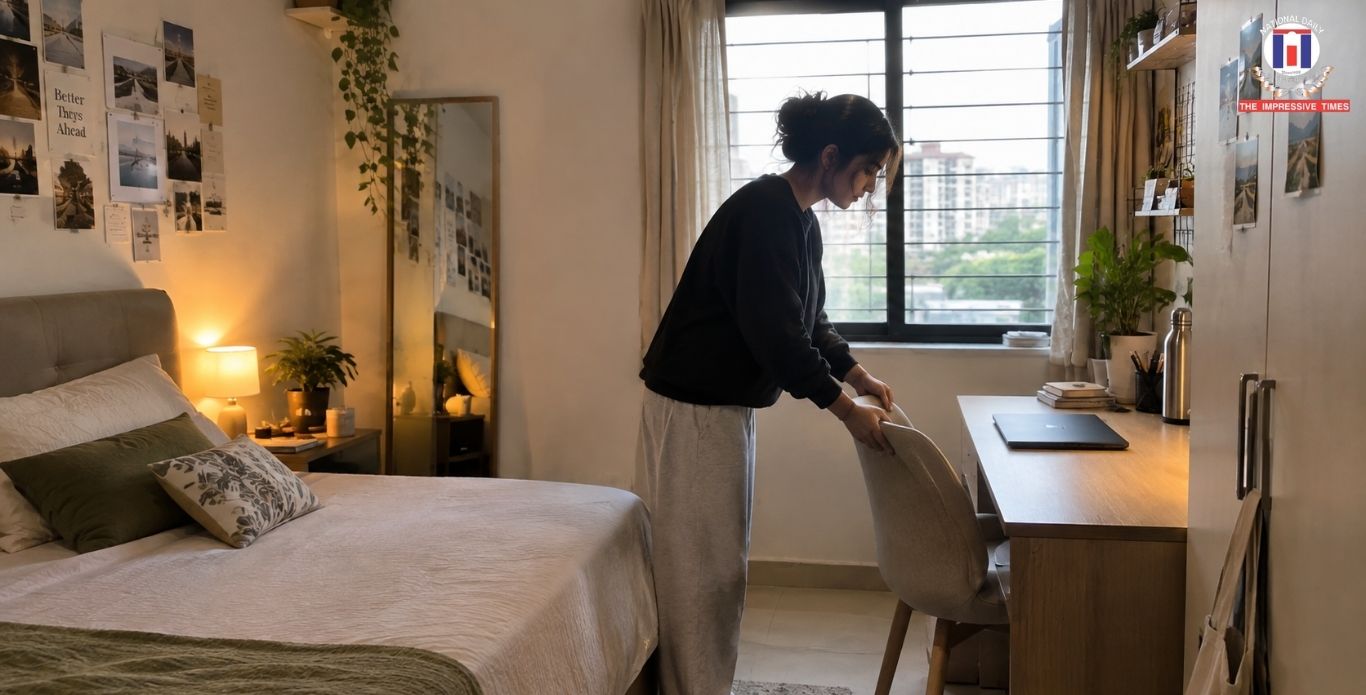
Low-effort living can also influence the way people design their homes and routines.
Keeping frequently used items within reach, preparing meals in advance, reducing unnecessary commitments, organising digital notifications and creating comfortable spaces can make ordinary tasks easier.
The goal is not to create a perfect lifestyle. It is to make everyday life work better.
This approach can be particularly useful during demanding periods when energy and attention are limited.
Is the anti-productivity movement here to stay?
The growing interest in low-effort living does not necessarily mean people are abandoning ambition. Instead, it may signal a change in how ambition itself is understood.
For years, success was often associated with doing more, working longer and constantly improving. The emerging approach places greater emphasis on sustainability — being able to maintain a routine without feeling permanently exhausted.
Perhaps the biggest shift is that people are beginning to ask not only “How much can I achieve?” but also “How do I want to feel while achieving it?”
In a culture that has long celebrated being busy, choosing an easier way to live can itself become a meaningful form of self-awareness.








































No Comments: