Two-Day National Workshop on Strengthening Digital Data Systems and Evidence-Based Decision-Making Begins in Gurugram
Workshop focuses on effective use of LokOS to improve financial transparency, accountability and rural women’s livelihoods through self-help groups
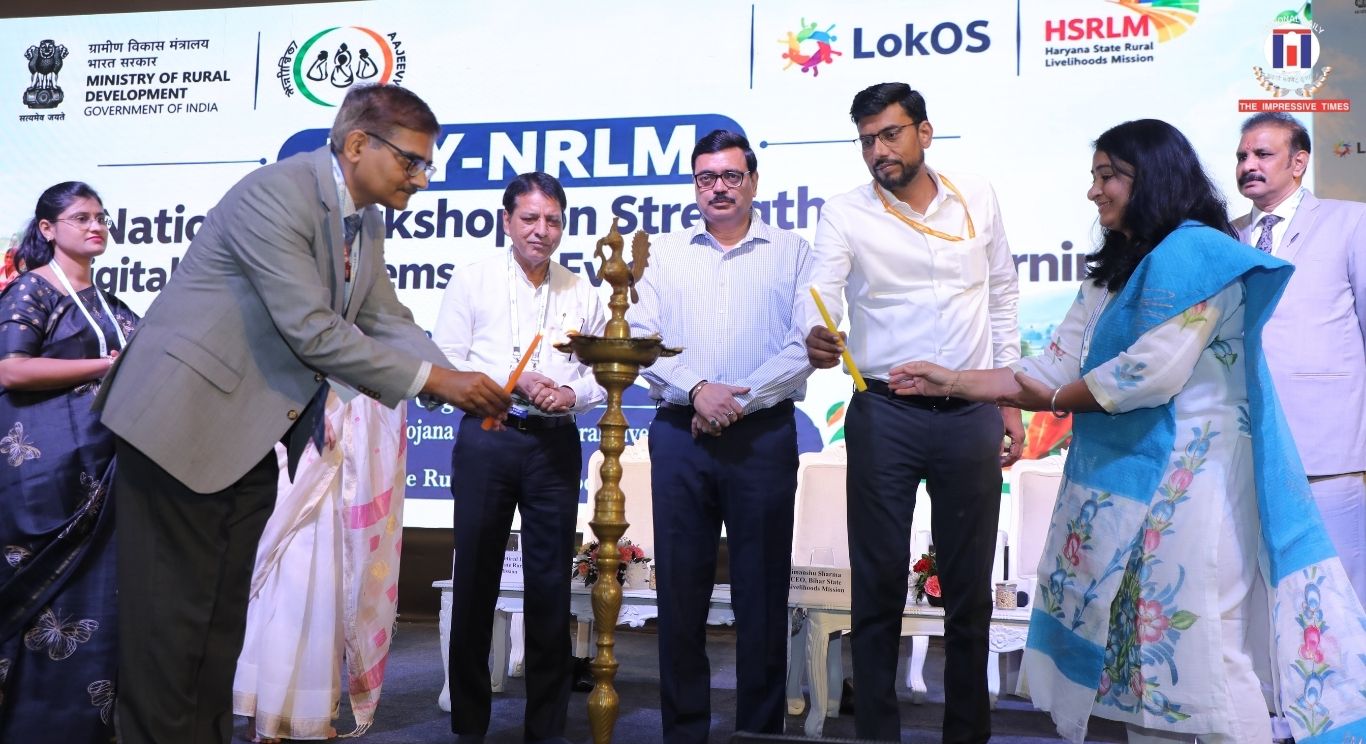
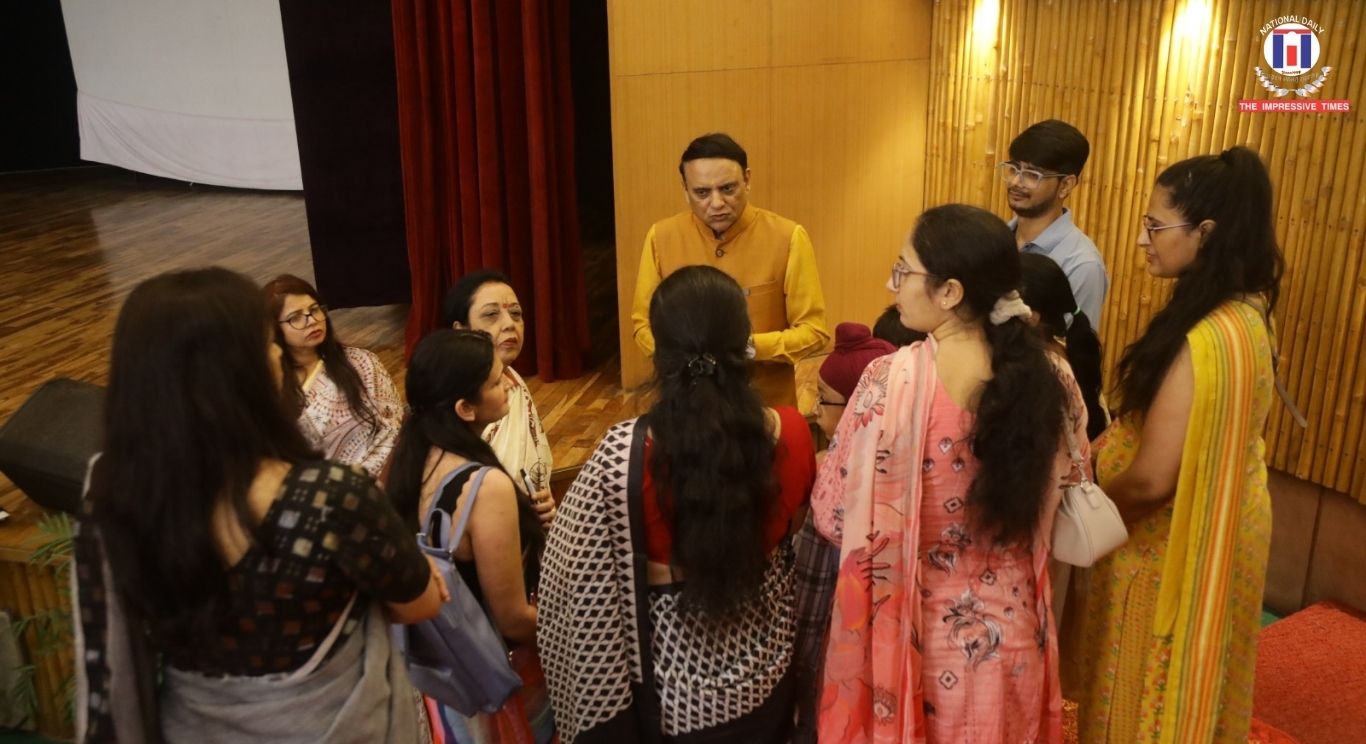
Gurugram, October 12: A two-day national workshop aimed at strengthening digital data systems and promoting evidence-based decision-making began on October 12 at ITC Grand Bharat, Gurugram. The workshop, being organised jointly by the Ministry of Rural Development, Government of India, and the Haryana State Rural Livelihoods Mission, will continue until October 13.
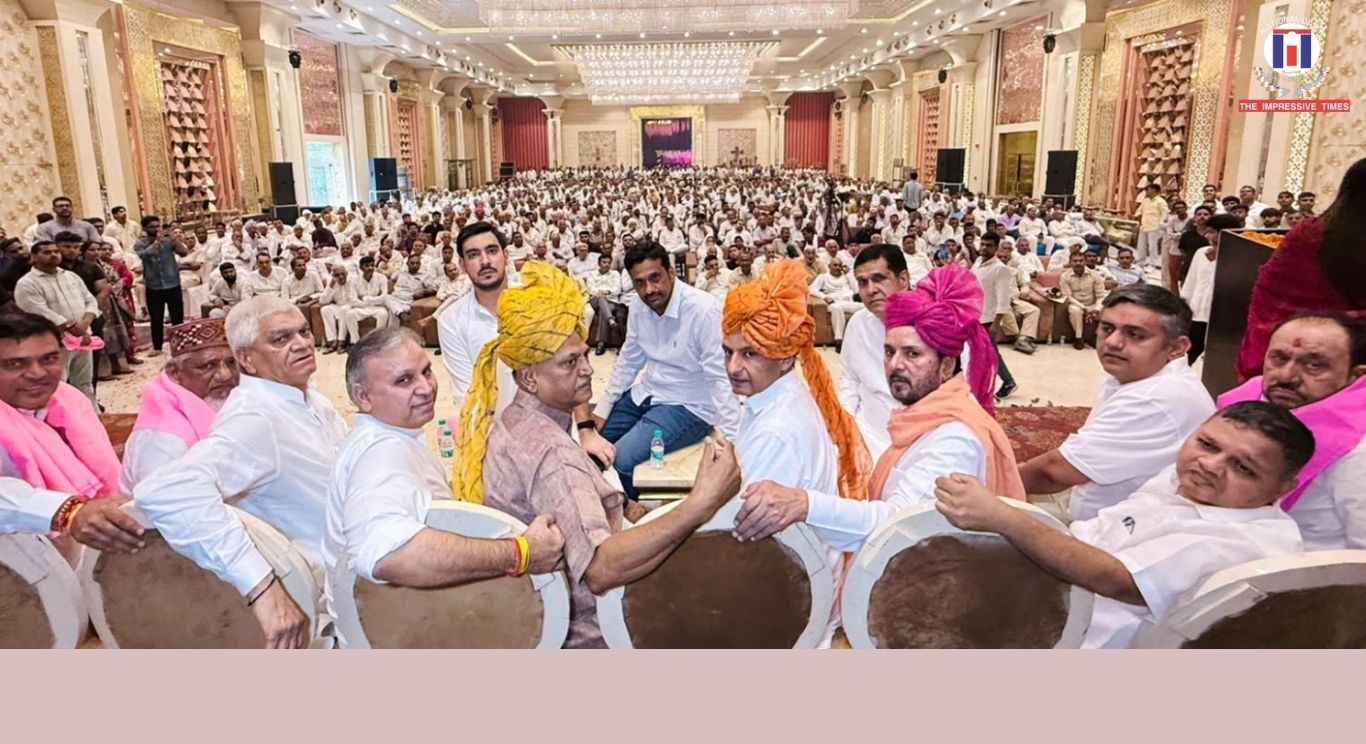
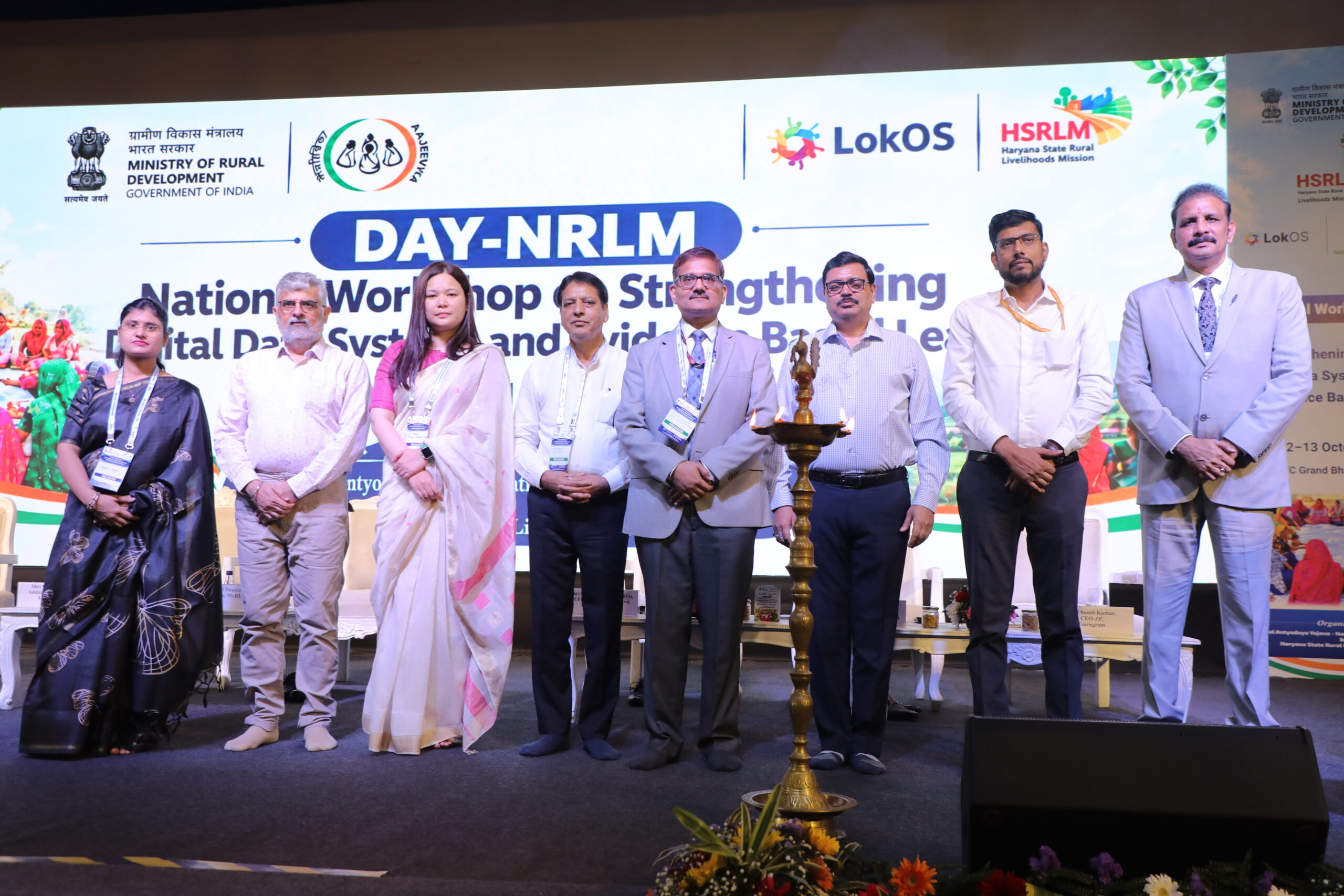 The inaugural session was attended by Rohit Kansal, Secretary, Ministry of Rural Development; Vipin Kumar, Additional Secretary; Amit Shukla, Joint Secretary (Rural Livelihoods); Suraj Bhan, Chief Executive Officer of the Haryana State Rural Livelihoods Mission; and Dr Monika, Deputy Secretary, along with other senior officials from the Central and state governments. Representatives of rural livelihoods missions from various states and stakeholders involved in implementing the National Rural Livelihoods Mission also participated.
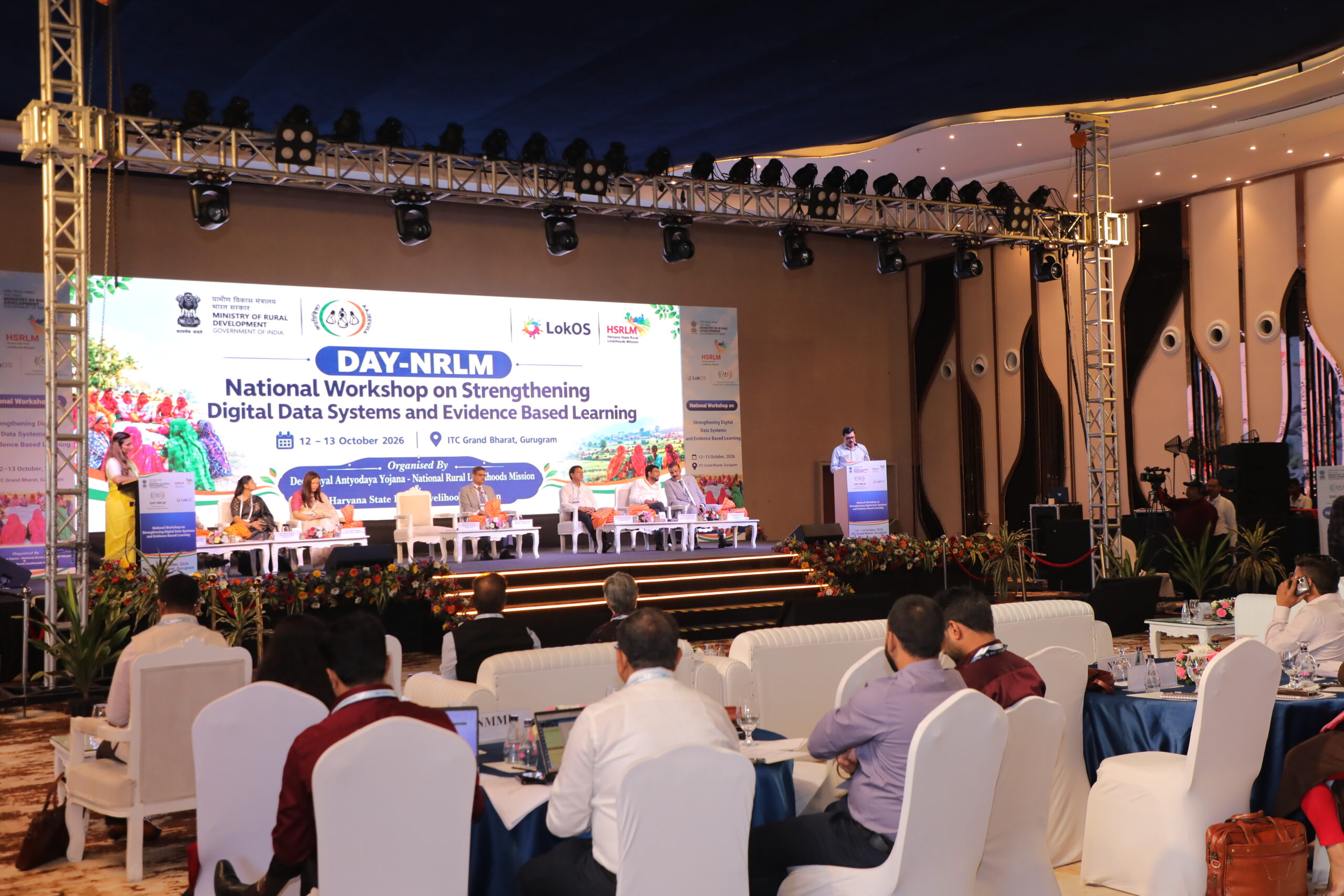
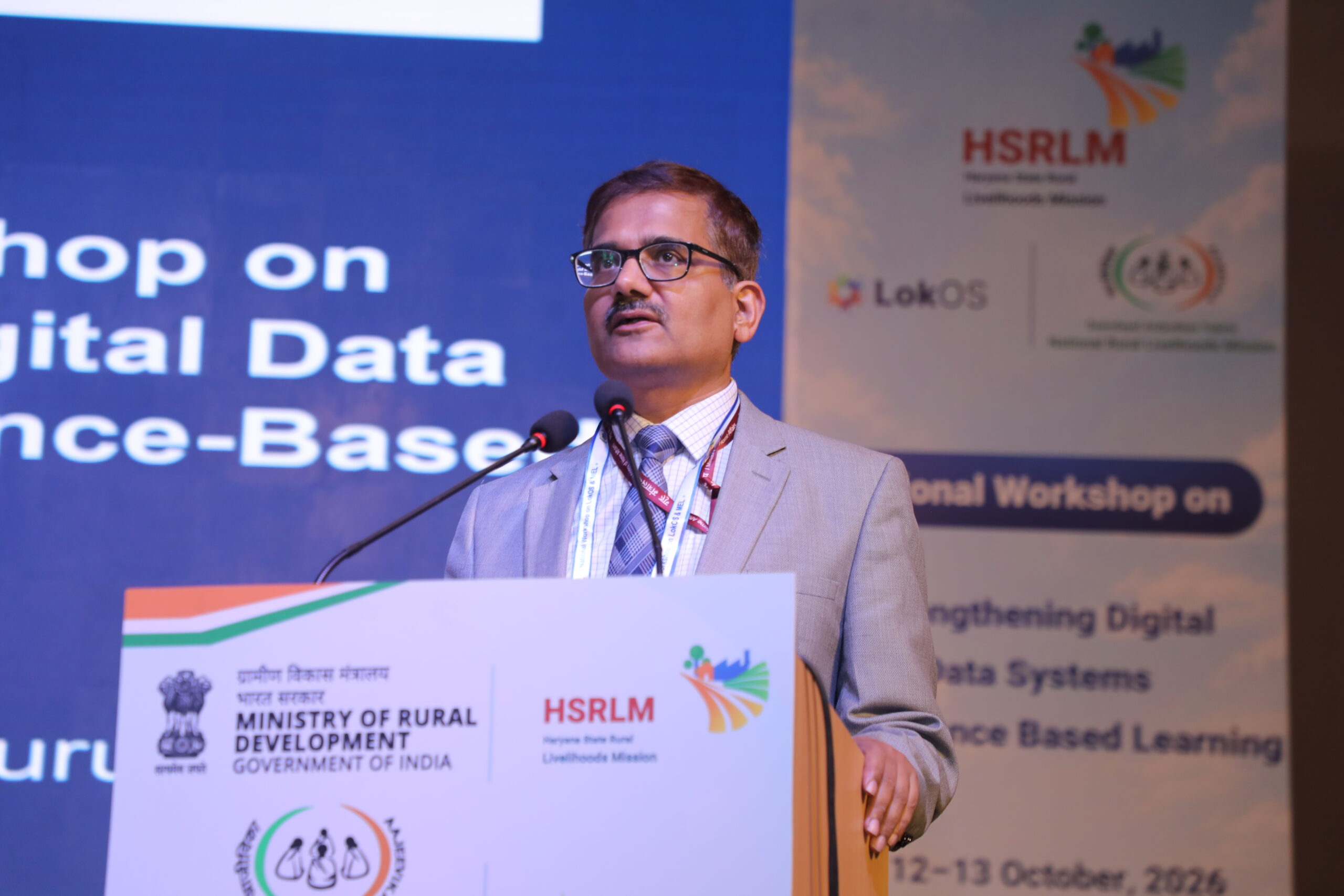
Rohit Kansal emphasised that accurate and reliable data are essential for the effective use of the LokOS digital platform. He urged states to strengthen systematic verification mechanisms to identify and rectify duplicate records, incomplete or incorrect entries, improper mapping of institutions and discrepancies in reports.
The workshop stressed that LokOS should not be used merely for generating reports but should serve as a tool for programme management and informed decision-making. The platform can help assess the financial activities, institutional progress and performance of self-help groups, village organisations and cluster-level federations. Such assessments can help identify institutions requiring support and facilitate timely assistance and corrective action.
Participants also discussed the need for regular reviews of reports and dashboards, analysis of performance gaps and the sharing of successful practices. They emphasised that effective monitoring, evaluation and learning mechanisms can improve programme implementation and strengthen the accountability of community-based institutions.
The role of digital data in financial inclusion, community credit linkages and livelihood promotion was another key area of discussion. Officials noted that reliable information generated through LokOS could help assess rural women’s economic activities and track progress in livelihood development more effectively.
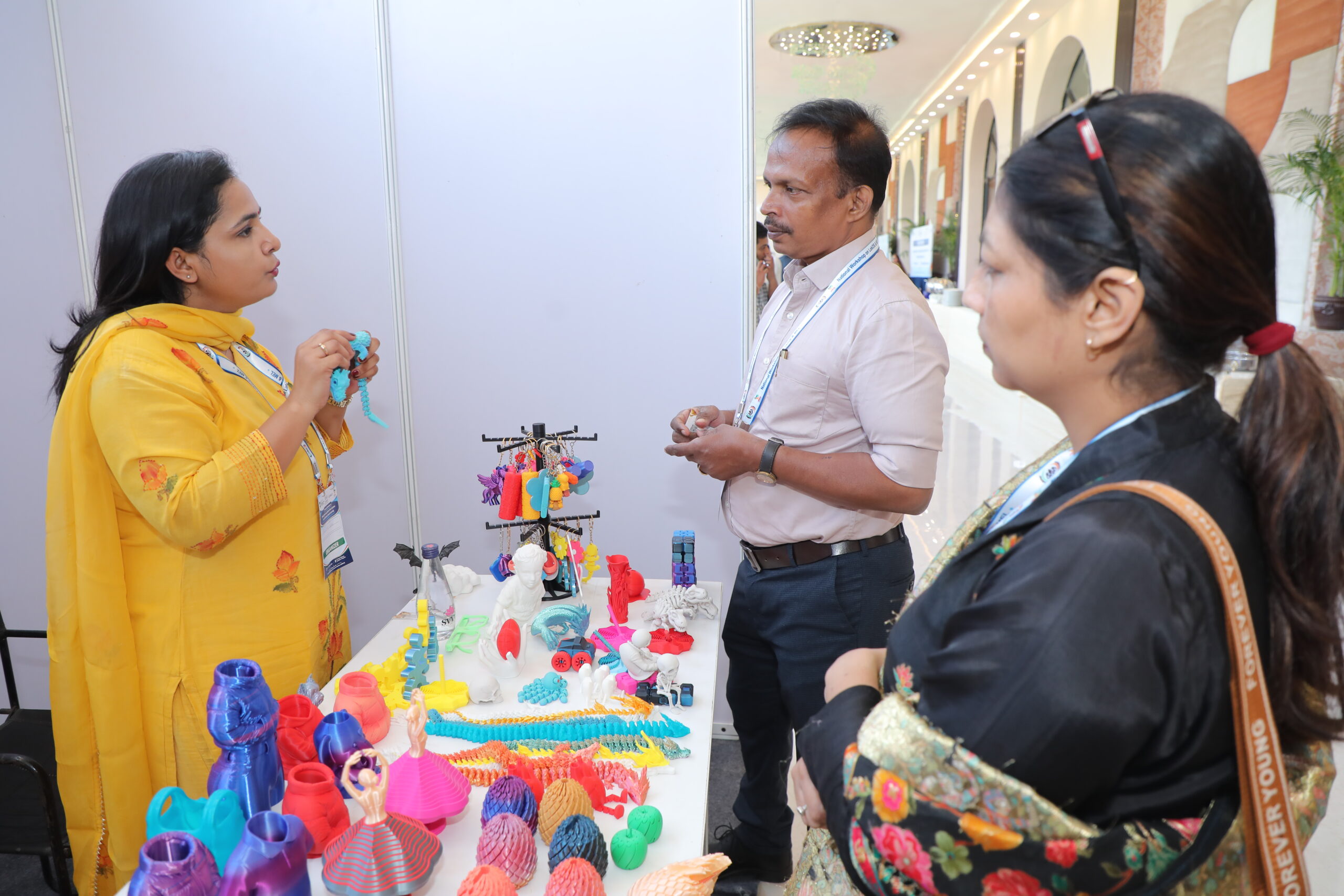
The central objective of the workshop is to improve the quality and usefulness of data rather than simply increase the volume of information collected. The initiative seeks to promote transparency, financial discipline and the economic empowerment of rural households, particularly women, through more effective use of digital systems and evidence-based planning.






















No Comments: