Prateek Yadav Death: How a Blood Clot in the Lungs Can Turn Fatal Within Minutes
Mulayam Singh Yadav’s Son Prateek Yadav Dies at 38; Reports Suggest He Was Battling a Serious Lung Condition

 The Impressive Times
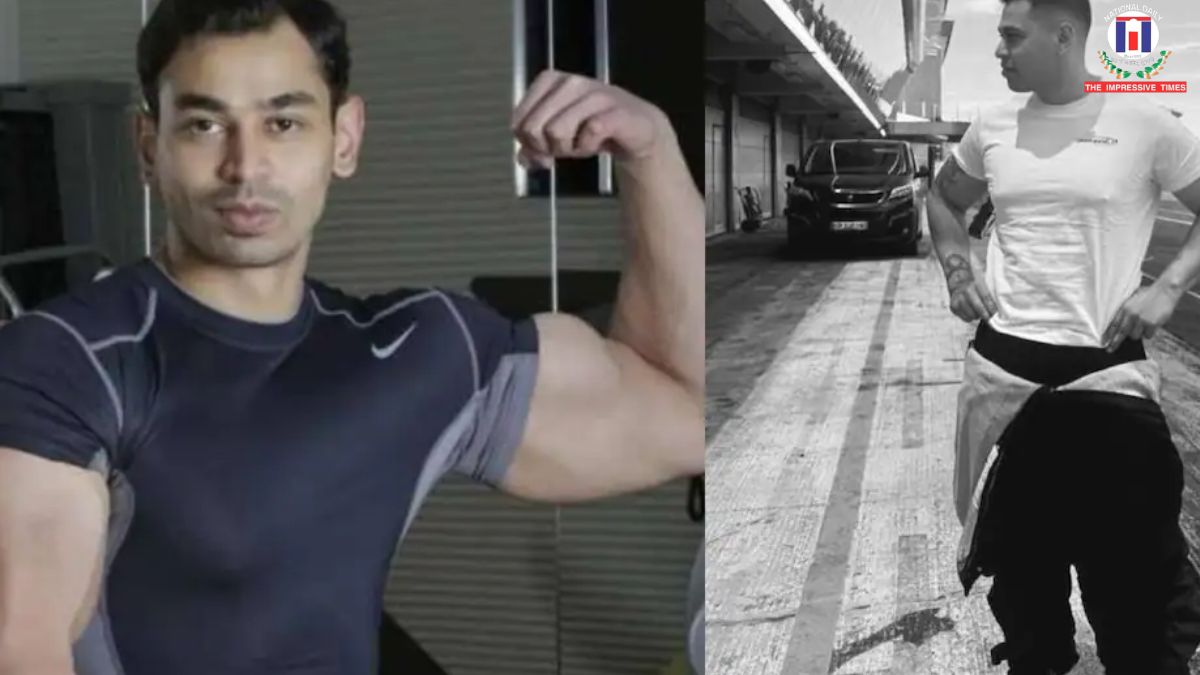
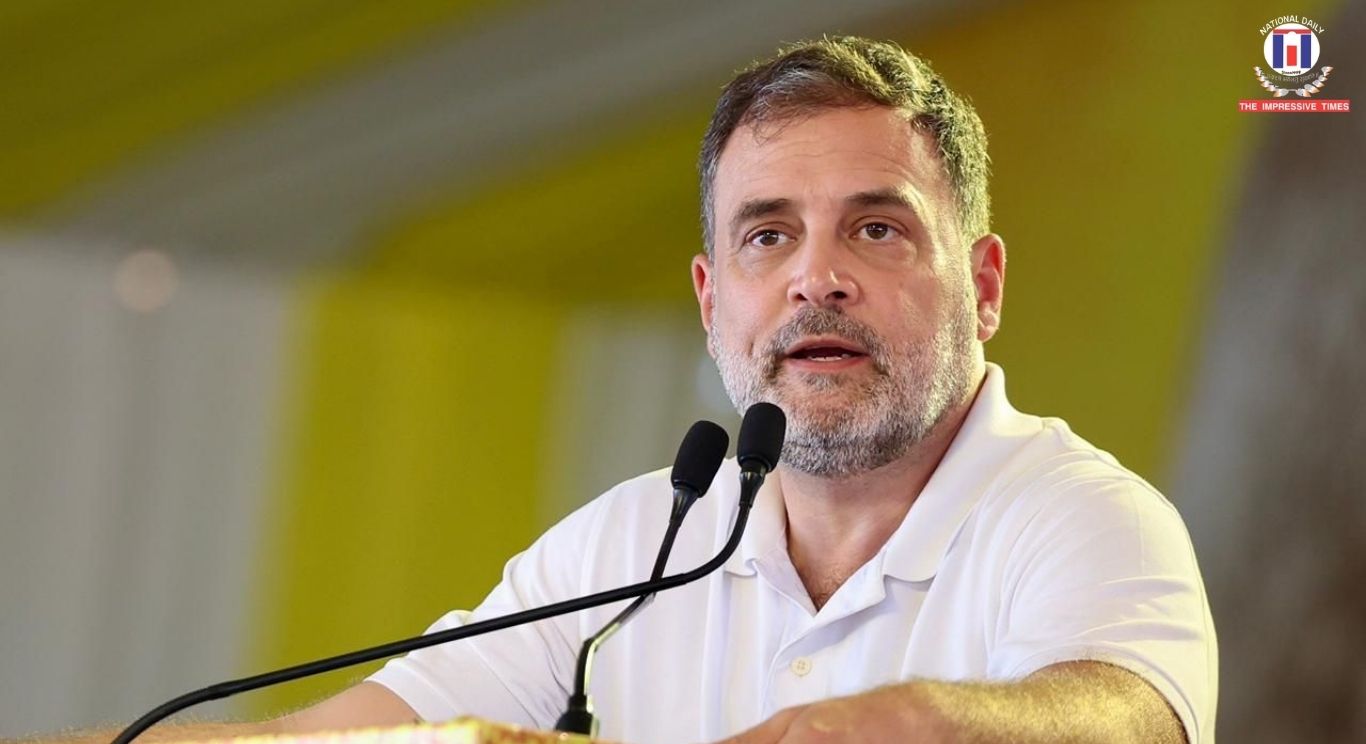
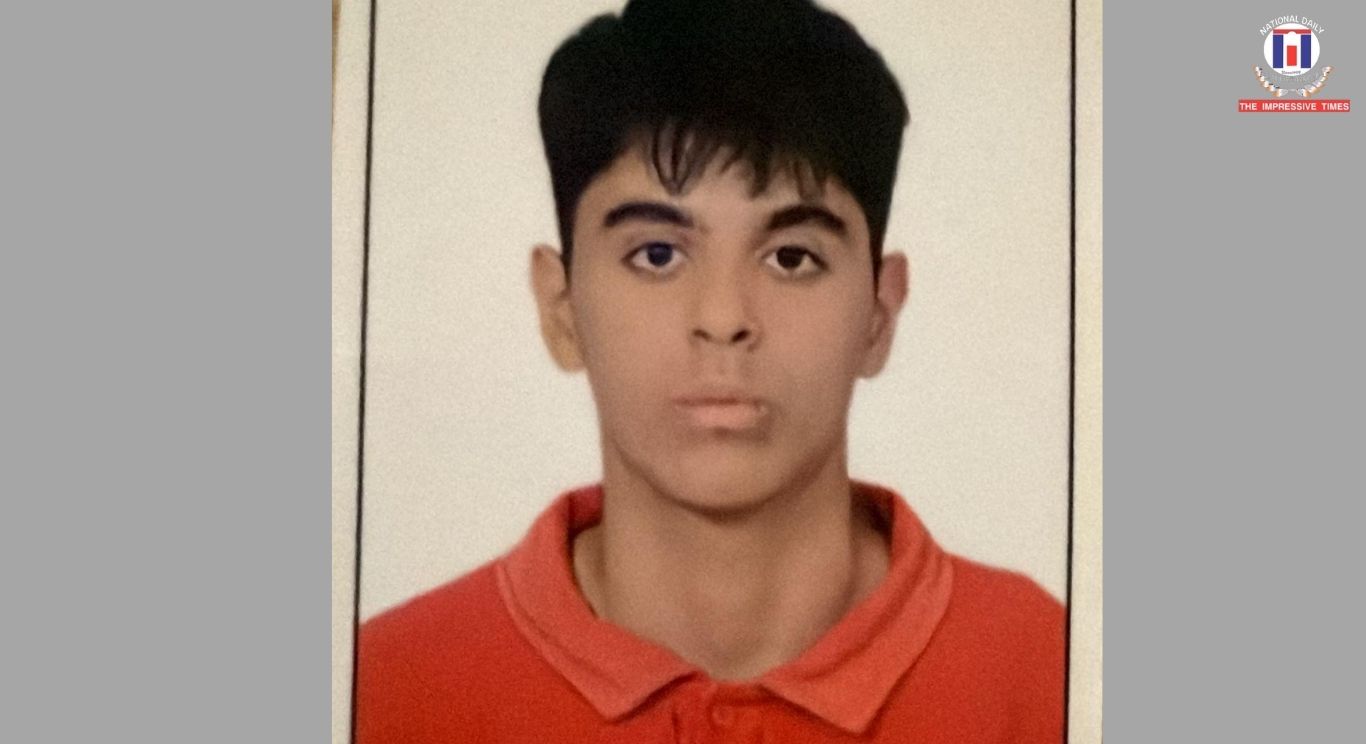
The sudden demise of Prateek Yadav on Wednesday has shocked political circles and supporters across Uttar Pradesh. Prateek Yadav, who was 38 years old, reportedly died in Lucknow after his health deteriorated early in the morning. Family members rushed him to the hospital, where doctors declared him dead on arrival.
According to sources close to the family, Prateek had been dealing with a severe lung-related illness for quite some time. Reports claim he was undergoing treatment for a blood clot in the lungs — a condition medically known as pulmonary embolism, which is considered highly life-threatening if not treated in time.
Prateek Yadav was the son of late Samajwadi Party founder Mulayam Singh Yadav and the half-brother of Akhilesh Yadav. He was also the husband of BJP leader Aparna Yadav.
A pulmonary embolism occurs when a blood clot blocks one of the arteries in the lungs. In many cases, the clot begins in the deep veins of the legs and then travels through the bloodstream to the lungs. This medical emergency can severely affect oxygen supply in the body.
Doctors warn that once blood flow inside the lungs is obstructed, breathing becomes difficult and vital organs may not receive enough oxygen. If the blockage is large or treatment is delayed, the condition can quickly become fatal.
Health experts say pulmonary embolism often appears suddenly and may include symptoms such as:
Because the symptoms can resemble other heart or lung problems, many patients fail to recognise the seriousness of the condition in time.
Medical specialists say several lifestyle and health conditions can increase the chances of developing dangerous blood clots. These include:
People with these risk factors are often advised to stay physically active and seek immediate medical attention if unusual breathing issues occur.
Doctors say pulmonary embolism can be treated successfully if detected early. Treatment usually focuses on dissolving the clot, restoring blood flow and preventing new clots from forming. In emergency situations, patients may require oxygen support, blood thinners or surgery.
The death of Prateek Yadav has once again highlighted how silently dangerous lung blood clots can become and why sudden breathing problems should never be ignored.



































No Comments: