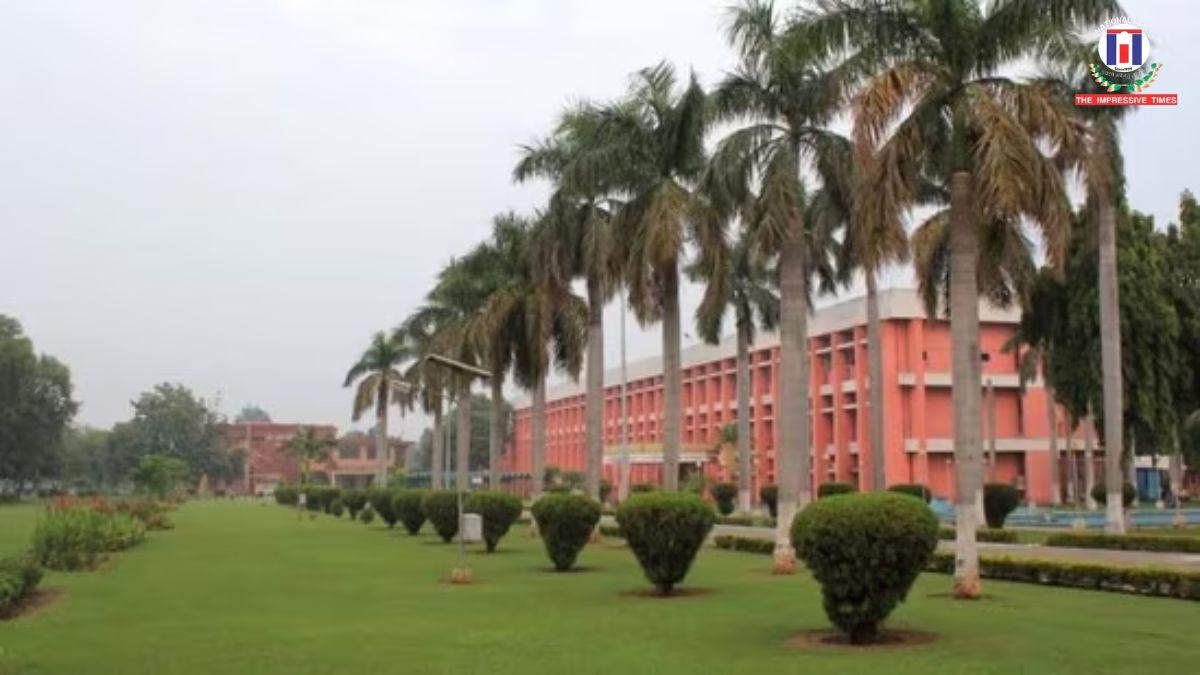
Kurukshetra: A fresh student death at the National Institute of Technology (NIT) Kurukshetra has heightened alarm over a troubling pattern of suicides at the engineering institute, with students launching protests and demanding accountability from the administration. The latest case, involving a second-year student from Bihar enrolled in artificial intelligence and data science, has intensified questions around campus support systems, crisis response mechanisms and institutional responsibility.
With multiple deaths reported over recent weeks, the incident has fueled growing concern about the psychological pressures faced by students at premier technical institutions. NIT Kurukshetra, which has a student population exceeding 5,000, has now come under public and administrative scrutiny as students allege repeated failures in prevention and emergency response.
Campus unrest escalated after students accused authorities of acting too slowly after the latest incident. Several students claimed concerns raised with hostel authorities were not addressed urgently, triggering anger and demonstrations within the institute. Protesting students have called for an independent investigation into the recent deaths and stronger safeguards for those struggling with stress, anxiety and other mental health challenges.
Students have also questioned the adequacy of the institute’s response following earlier incidents, arguing that measures introduced so far have been largely reactive. Many have pointed to intense academic demands, economic pressures and family expectations as factors contributing to distress, while also raising concerns over the lack of trained mental health professionals and effective intervention systems on campus.
Amid the backlash, the institute announced a 17-day preparatory break ahead of examinations, a decision some students described as unprecedented and abrupt. Some also expressed concern over cancelled classes and incomplete coursework, adding to uncertainty among the student community.
Institute officials have said steps are being strengthened to improve student welfare, including expanding faculty-student mentoring, increasing counselling referrals, organising stress-management activities and enhancing safety measures in hostels and other potentially vulnerable areas. Authorities have indicated faculty members have been asked to identify students who may require support and direct them toward professional assistance.
The developments come as broader concerns grow nationally over student mental health in higher education. Experts have repeatedly warned that many students avoid seeking help due to stigma, mistrust or lack of accessible support, often allowing distress to deepen before intervention occurs. Mental health advocates say institutions need permanent, visible support structures rather than crisis-driven responses.
The issue has also drawn attention in the context of recent judicial and policy developments. A National Task Force set up by the Supreme Court to examine student suicides has already pushed for preventive measures, including protections related to scholarships, hostel access and mandatory reporting of unnatural deaths. These recommendations have added urgency to demands for stricter compliance across campuses.
Adding another layer to the situation, NIT Kurukshetra’s administration has already been facing oversight challenges after the Union education ministry earlier curtailed the powers of the institute’s director and appointed a review panel to examine governance and institutional functioning. Sources associated with the review process have indicated student welfare concerns are now likely to receive greater attention during upcoming assessments.
As investigations continue, the repeated deaths have reignited a larger debate over whether India’s leading educational institutions are equipped to recognise and address student distress before it turns fatal. For many students and observers, the crisis at NIT Kurukshetra is no longer being seen as a series of isolated tragedies, but as a warning about deeper systemic gaps in campus mental health support.













































No Comments: