
Including a small quantity of ghee in meals does not necessarily cause obesity if the rest of the diet remains balanced and the person stays physically active.
Another widespread belief is that individuals with heart problems should eliminate ghee completely. Doctors say that this is not always required.
Patients with heart-related concerns may still consume very small portions after consulting their doctor and regularly monitoring cholesterol levels. However, individuals with high cholesterol or certain metabolic conditions should seek professional guidance before adding it to their routine.
With growing awareness about natural foods, many consumers are now choosing A2 cow ghee, which is believed to be produced from specific indigenous cattle breeds. Its popularity has increased due to its association with traditional preparation techniques.
Experts advise buyers to pay attention to certain characteristics that indicate authenticity. Traditional ghee is often prepared using the Bilona technique, where curd is churned into butter and slowly heated to extract pure fat.
Clear labelling, transparent sourcing, and a simple ingredient list are also considered reliable indicators of purity.
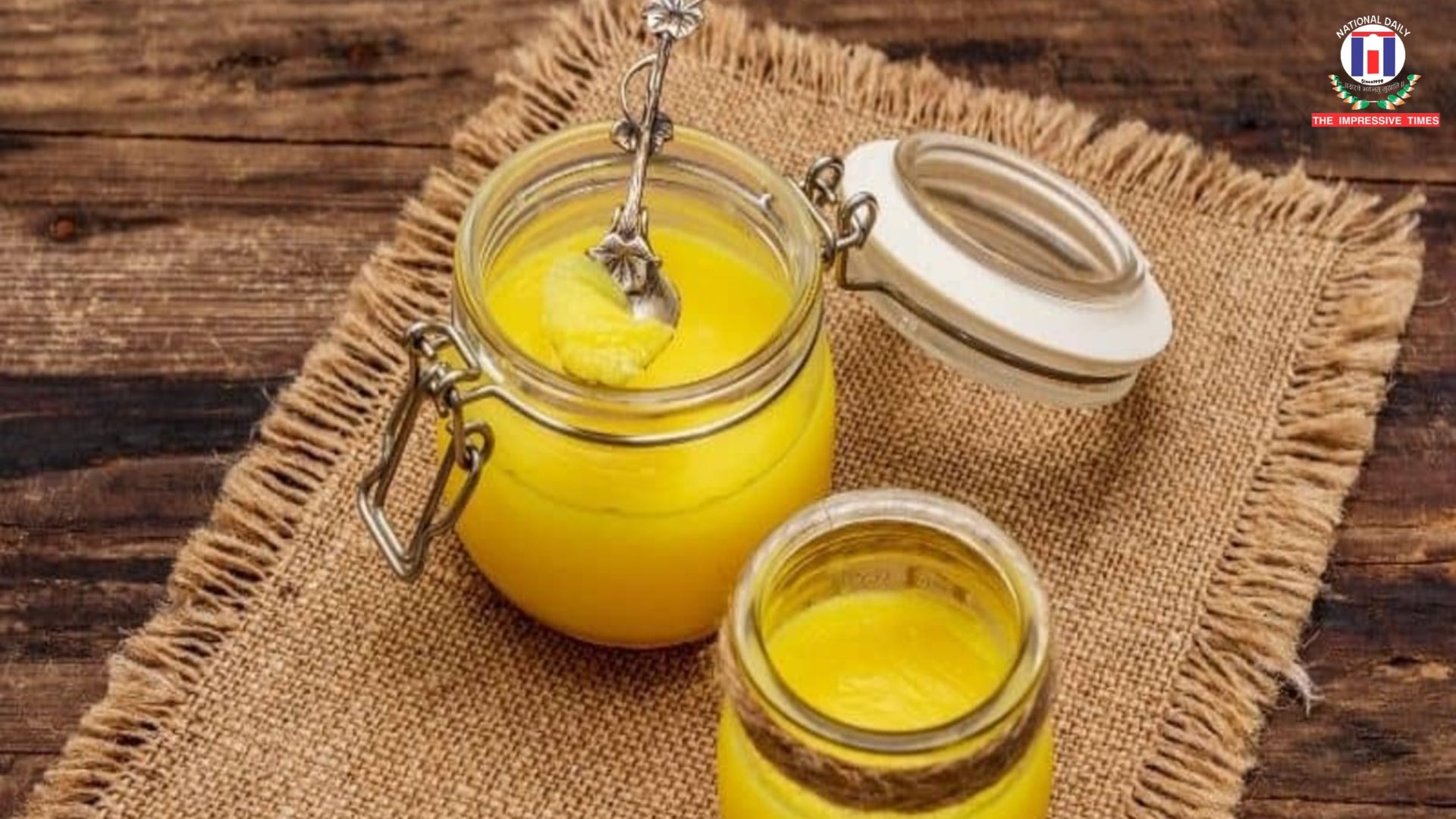
Nutrition specialists emphasise that ghee does not need to be excluded from everyday meals. When consumed thoughtfully and sourced carefully, it can remain a flavourful and nutritious part of a healthy diet.


















































No Comments: