“BRICS Must Give Global South a Stronger Voice in World Governance”, Says Thai Senator Dr Amornsak Kithananan
Dr Amornsak Kitthananan calls for institutional reforms, resilient supply chains and stronger cooperation in trade, science and innovation at the New Delhi forum.
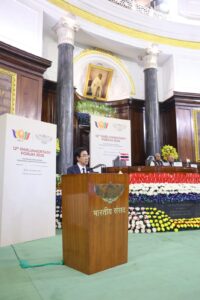
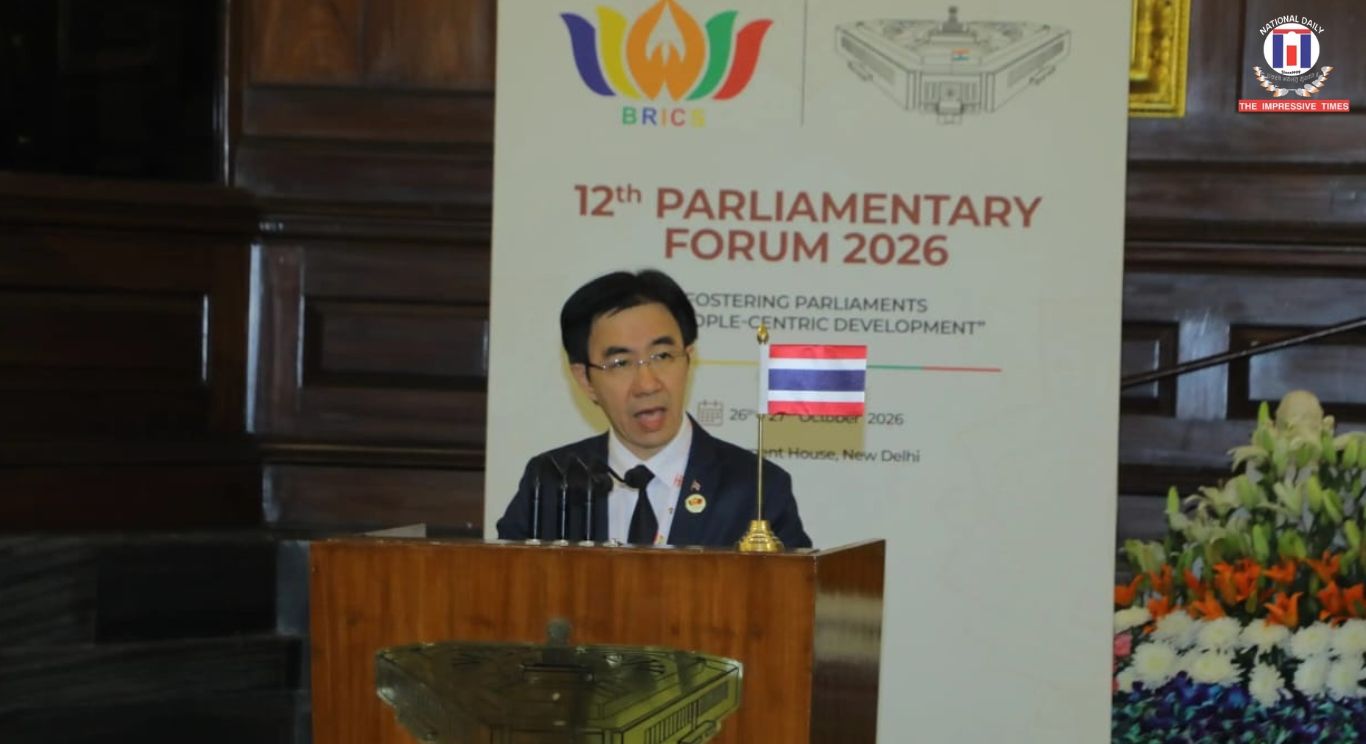
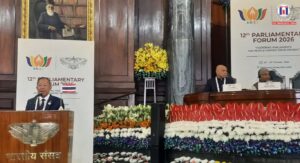
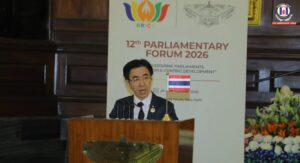
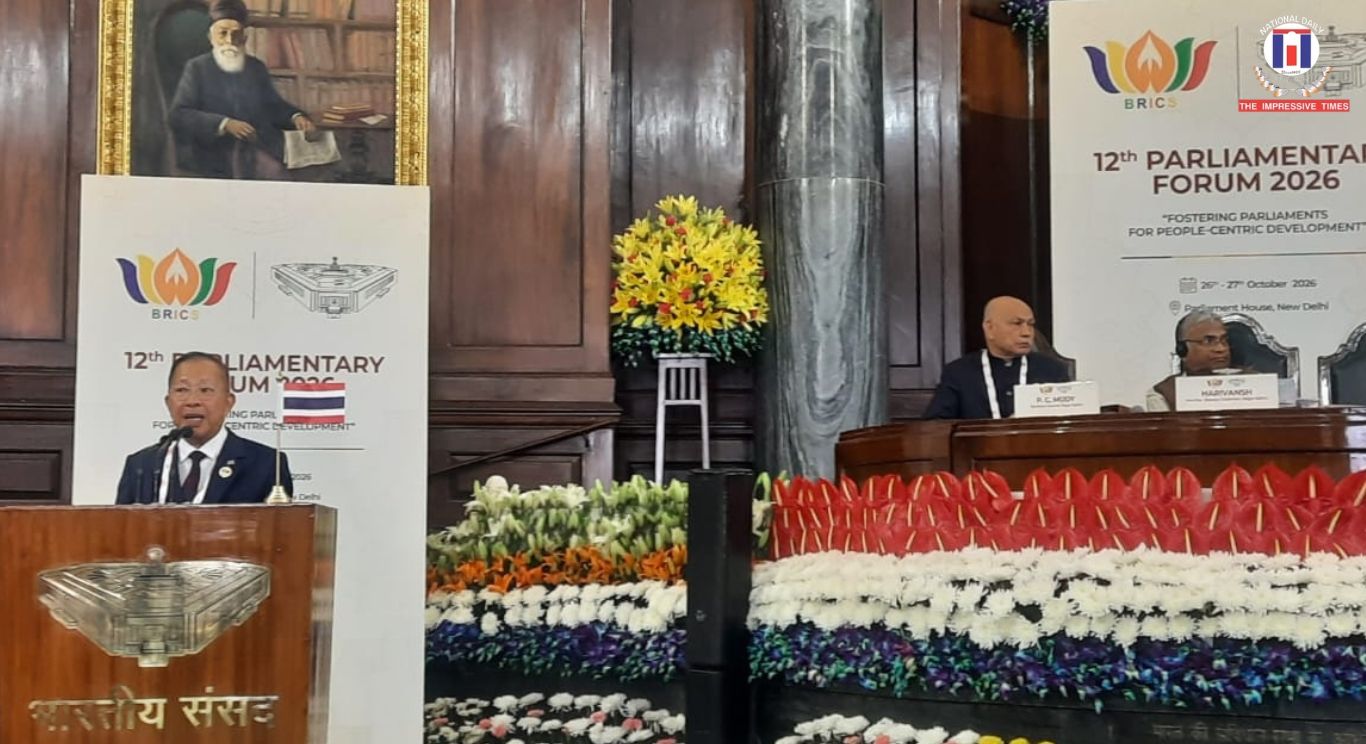
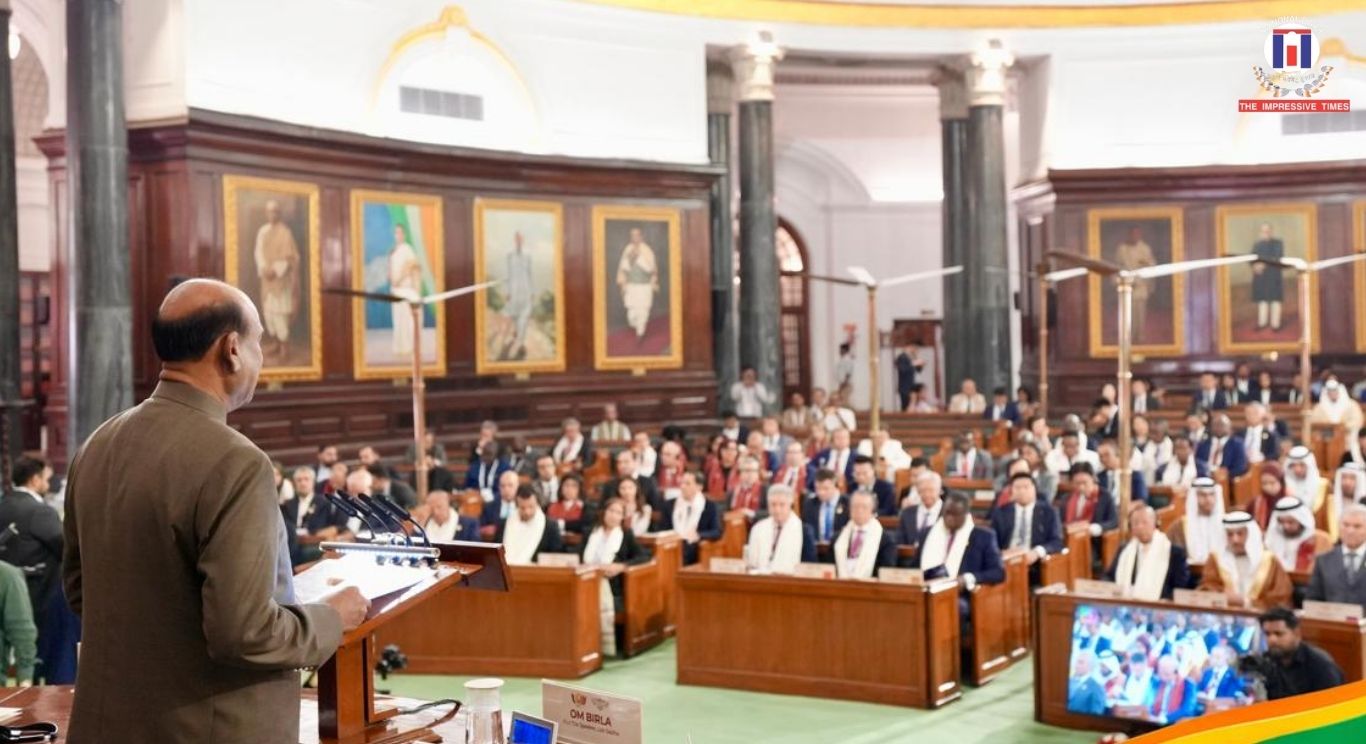
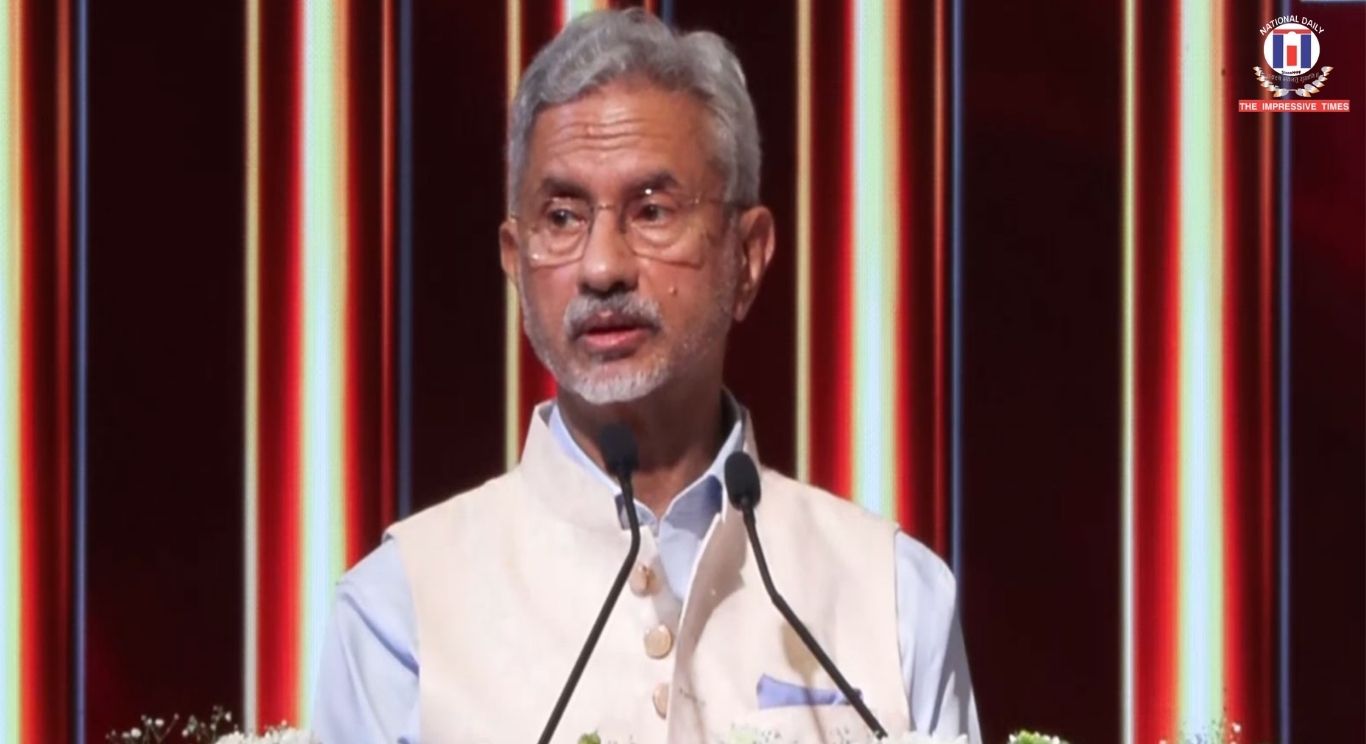
New Delhi: Calling for a global governance system that reflects today’s geopolitical and economic realities, Dr Amornsak Kitthananan, Vice Chairperson of the Senate Advisory Committee on Foreign Affairs and Chairman of the Sub-Standing Committee on Higher Education, Science, Research and Innovation of the Thai Senate, addressed the 12th BRICS Parliamentary Forum in New Delhi.
Speaking during the third plenary session, themed “Cooperation: Leveraging Parliamentary Cooperation for a More Representative Global Governance Architecture,” Dr Amornsak Kitthananan said that geopolitical tensions, economic uncertainty, climate change and technological disruption had made international cooperation more important than ever. He stressed that no nation could address these challenges in isolation.
Representing the Parliament of Thailand at the forum, being held from October 25 to 28, 2026, he called on BRICS members and partner countries to work towards a transparent, effective and inclusive global governance framework that gives developing countries and the Global South a stronger voice in international decision-making.
Emphasising the role of legislatures in strengthening international partnerships, he said parliaments represent the people and bring diversity, accountability and legitimacy to governance. He described parliamentary cooperation as a strategic necessity that bridges national interests with shared global responsibilities.
Highlighting Thailand’s engagement in international cooperation, he referred to the country’s ratification of major trade agreements, including the Regional Comprehensive Economic Partnership (RCEP), and its role in hosting the 2026 IMF–World Bank Group Annual Meetings in Bangkok. Describing Thailand as a “Trusted Connector”, he said the country was ready to serve as a parliamentary bridge between BRICS member states, partner countries and ASEAN.

He outlined three key areas for advancing a more representative global governance architecture. The first is institutional reform, including changes to multilateral institutions and international financial systems to improve transparency, effectiveness and representation for emerging economies.
The second is economic and supply chain resilience. He called for stronger legislative collaboration to promote open and non-discriminatory trade, counter unilateral protectionism and facilitate accessible cross-border financial mechanisms.
The third priority is knowledge, science and innovation. He advocated parliamentary exchanges among committees working on higher education, scientific research and sustainable development, highlighting the potential for BRICS countries to develop shared solutions to common challenges.
Drawing on his responsibilities in higher education, science, research and innovation, he underscored the importance of sustained parliamentary engagement in these areas.
Concluding his address, Dr Amornsak Kitthananan said meaningful cooperation must go beyond aligning policies to building trust, sharing responsibility and ensuring that global governance reflects the aspirations of all humanity. He expressed confidence that coordinated parliamentary action by BRICS members and partner countries could help drive structural transformation towards a more stable, equitable and representative international order.
























No Comments: