Why Morning Walks Are Becoming a Social Trend Among Young Indians
Morning walks are becoming social activities for young Indians as walking groups, run clubs and outdoor communities combine fitness with friendship.

 The Impressive Times
TIT Correspondent
info@impressivetimes.com
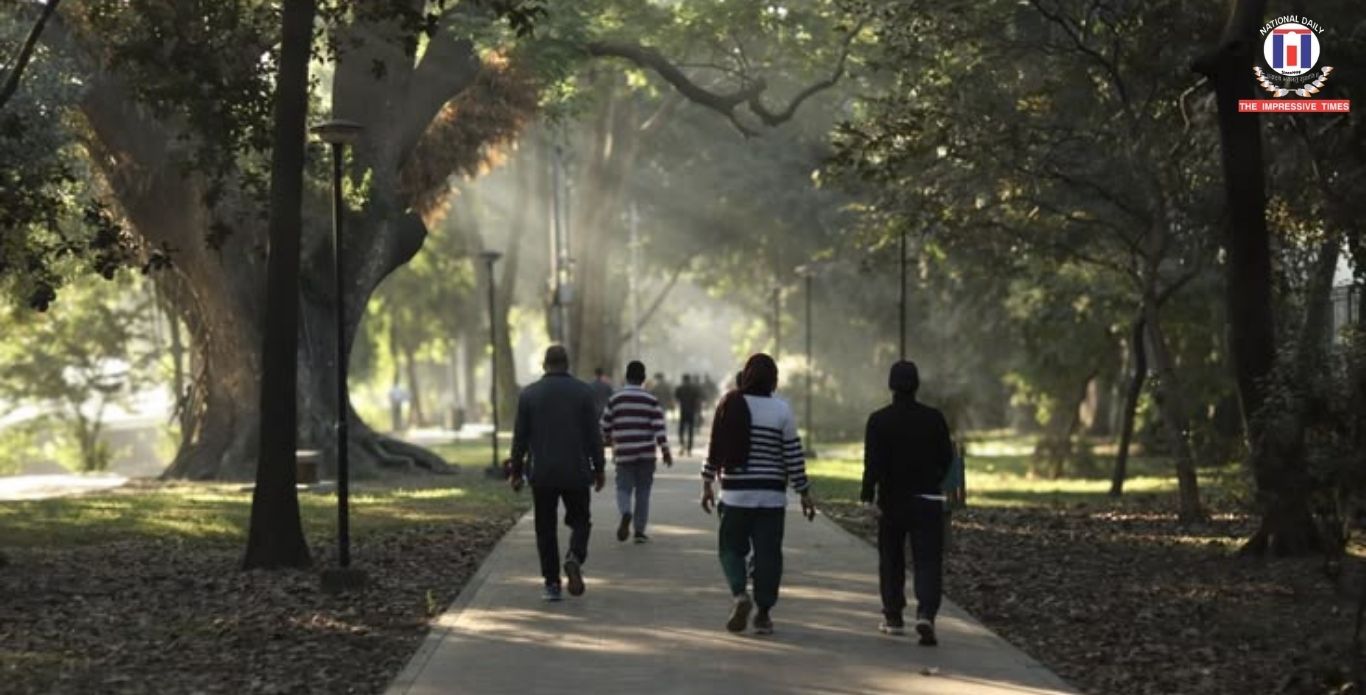
The morning walk has long been associated with older generations, neighbourhood parks and quiet conversations between regular walkers. But in 2026, the familiar routine is getting a younger makeover.
Across Indian cities, young people are increasingly turning early-morning walks, runs and outdoor fitness meetups into opportunities to exercise, socialise and meet new people. What was once viewed simply as a way to stay active is gradually becoming part of a wider social wellness culture.
From walking groups and run clubs to photography walks and community fitness sessions, mornings are becoming a new time for connection.For years, going for a morning walk meant putting on a pair of shoes and heading to the nearest park.
The newer version looks different.
Groups of young professionals and students are meeting before work or on weekends, walking together, talking, exploring neighbourhoods and often ending their sessions with breakfast or coffee.
The shift is part of a wider movement in which exercise is becoming a social experience rather than an individual task.
One reason is simple: people want fitness without the pressure of a traditional gym.
Not everyone enjoys lifting weights, following a strict workout programme or exercising alone with headphones on.
Walking offers a lower-pressure alternative.
A person can join a group without necessarily being the fastest walker or most experienced athlete. The social element can make it easier to maintain a routine.
A third place is generally understood as a social environment outside the home and workplace where people can interact and build relationships.
For younger urban Indians, walking and running communities are increasingly filling that role.
That makes a morning walk more than exercise.
It can become a place to meet a friend, discover a new neighbourhood, find a professional connection or simply have a conversation away from screens.
There is also something appealing about starting the day outdoors.
Before offices, classes and daily responsibilities take over, mornings provide a relatively quiet window.
For young professionals, a walk before work can create a clear separation between personal time and the working day.
For students, it can provide an opportunity to socialise outside college or coaching environments.
And for people working remotely, it can offer a reason to leave the house before sitting in front of a screen.
Instagram and WhatsApp have made it easier for small local groups to find participants.
A walking or running club can announce its route, meeting point and timing online, allowing people who may not know each other personally to join.
This has helped turn neighbourhood-level activities into larger communities.
Delhi’s fitness scene, for example, now includes running, cycling and hiking groups across the National Capital Region, with parks, roads and outdoor spaces becoming increasingly popular gathering points.
The irony is that a digital platform is helping people spend more time offline and together.
Perhaps the biggest change is that people are not necessarily joining these groups because they want to become serious athletes.
Some are looking for friendships.
Some want accountability.
Others simply want a reason to wake up early and leave the house.
In Bhubaneswar, for example, a Gen Z-focused running club has combined early-morning exercise with friendship, mental wellbeing and community, attracting students and young professionals.
Similarly, photography walks have emerged as another way for young people to combine walking with a shared interest and social interaction. A 2026 report highlighted the growing popularity of photo walks among younger Indians.
The trend points towards a broader change in India’s fitness culture.
Instead of asking only, “How many calories did I burn?”, people are increasingly asking:
“Who did I meet?”
“Did I enjoy it?”
“Will I come back next week?”
That change matters because enjoyable activities are often easier to maintain than routines built entirely around discipline.
Walking does not require expensive equipment or a gym membership. A comfortable pair of shoes and a safe route can be enough to get started.
There is also a social reason behind the trend.
Young professionals living in large cities can be surrounded by people while still finding it difficult to build meaningful friendships outside work.
Organised walking and running groups provide a simple structure for meeting others.
You do not necessarily have to arrive knowing anyone. The shared activity provides an easy conversation starter.
A few kilometres together can gradually turn strangers into familiar faces.
The growth of outdoor fitness also raises questions about whether cities have enough safe and accessible spaces for walking.
Delhi’s expanding running culture has brought attention to gaps in infrastructure, while weather and air-quality conditions can also affect outdoor exercise.
As more people move towards outdoor fitness, safe walking paths, parks, lighting, clean air and pedestrian-friendly areas become increasingly important.
The traditional morning walk is therefore not disappearing. It is being reinvented.
The park bench conversation has become a walking group. The solo jog has become a run club. The neighbourhood stroll can become a photography walk. And a simple workout can end with coffee and new friendships.
For a generation that spends much of its day online, the appeal may be surprisingly simple.That could be why the humble morning walk is finding a new audience among India’s young people — not just as exercise, but as a way to build a healthier and more connected everyday life.






















No Comments: