Why “Solo Dates” Are Becoming a Lifestyle, Not Just a Relationship Trend
Solo dates are moving beyond dating trends as young people embrace dining, travel and leisure alone as part of everyday lifestyle and self-care.


 The Impressive Times
TIT Correspondent
info@impressivetimes.com
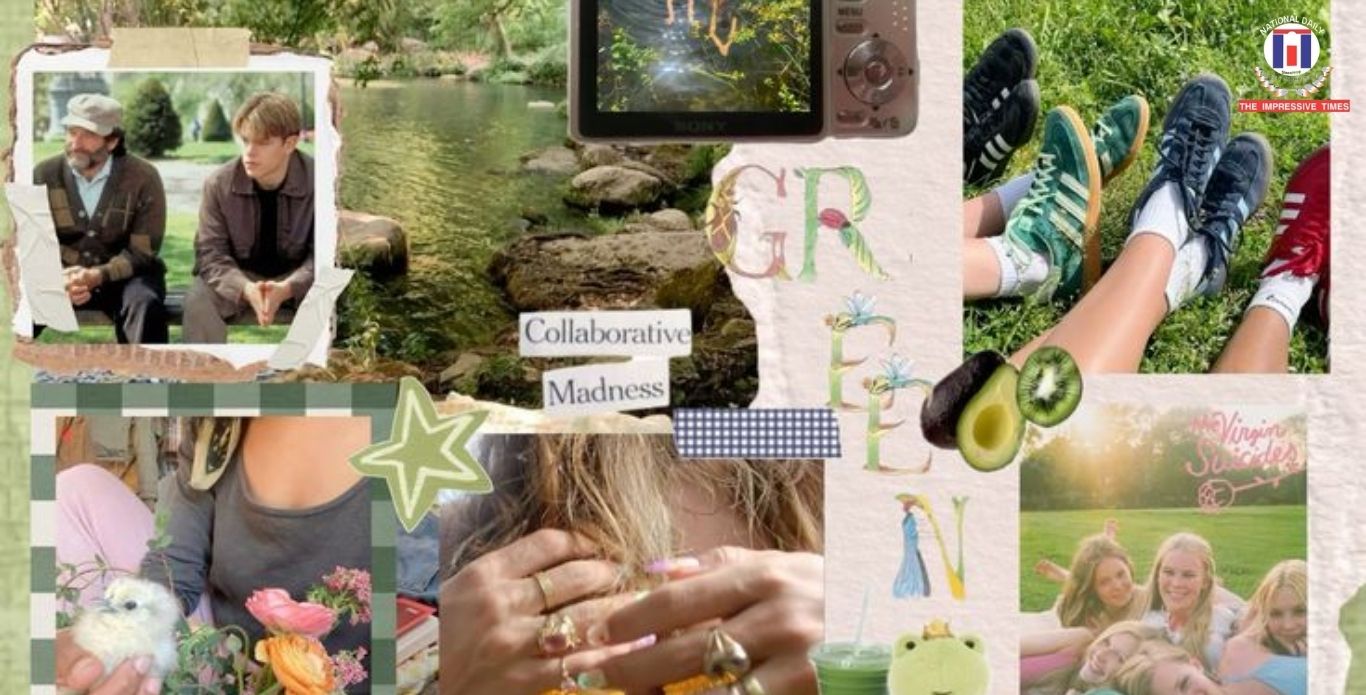
Going out alone is no longer automatically associated with loneliness. From sitting at a café with a book and watching a movie alone to dining at a restaurant, visiting an exhibition or taking a short trip without waiting for friends to be available, “solo dates” are increasingly becoming part of everyday lifestyle culture.
What began largely as a social-media-friendly idea of self-love is now evolving into something broader: the freedom to enjoy an experience without needing a companion.
In India, the shift is particularly visible among younger urban consumers. Recent lifestyle coverage has highlighted how Gen Z and millennials are becoming more comfortable with solo dining and other interest-led experiences, challenging the idea that leisure activities must always be shared.
From “waiting for plans” to making your own
For years, activities such as eating at a restaurant, going to the cinema or travelling were often planned around friends, partners or family members. If nobody was available, the plan could simply be cancelled.
Solo-date culture challenges that habit.
The new attitude is relatively simple: if you want to see a film, have coffee, browse a bookstore or try a new restaurant, you do not necessarily have to wait for someone else.
A March 2026 report on the trend described solo dates as increasingly becoming a lifestyle choice, with young people embracing activities such as café visits, cinema trips, walks and exhibitions as intentional personal time.
This does not necessarily mean people want fewer relationships. Instead, it reflects a growing willingness to separate being alone from being lonely.
The “solomaxxing” connection
The conversation around solo dates has also expanded in 2026 with the emergence of terms such as “solomaxxing” or “singlemaxxing”.
WIRED reported in June that some Gen Z adults are intentionally embracing single life while focusing on travel, hobbies, fitness, meditation and personal development rather than treating being single as something that needs to be immediately “fixed”.
Solo dates fit naturally into this wider cultural shift.
The emphasis is not necessarily on rejecting relationships. It is on building a life that remains enjoyable even when a person is not in a romantic relationship or when friends and partners are busy.
That distinction is important. A solo dinner is not necessarily a statement against relationships. Sometimes it simply means someone wanted dinner on Tuesday and did not want to wait until Saturday for everyone else’s schedule to match.
Why young professionals are embracing time alone
Work and financial pressures are also changing how younger people think about their free time.
Deloitte’s 2026 India Gen Z and Millennial Survey found that maintaining work-life balance and achieving financial independence remain major priorities for younger Indians. The report also found that 54% of Indian Gen Z respondents had delayed major life decisions because of financial circumstances.
In such an environment, leisure does not always have to mean expensive nights out or elaborate holidays.
A solo breakfast, an evening walk, a bookstore visit or a movie can offer a relatively simple way to reclaim personal time.
The appeal is partly practical. There is no need to coordinate five schedules, decide on a common budget or compromise over what everyone wants to do.
Social media made solitude more visible
Instagram and other social platforms have played an important role in changing the image of going out alone.
Videos and posts showing “solo date” routines often turn ordinary activities into lifestyle rituals: getting dressed for dinner, ordering a favourite meal, sitting by a window with coffee, visiting a museum or taking photographs during a solo outing.
The irony is that a trend about disconnecting from social expectations is itself being popularised through social media.
But the visual representation matters. Seeing other people comfortably occupying a restaurant table or cinema seat alone can make the experience feel less unusual.
In India, where social activities are often strongly associated with family and friendship groups, this represents a noticeable cultural shift. Recent reporting on solo dining has pointed to younger Indians becoming more comfortable with spending time alone in public spaces, although social stigma has not disappeared entirely.
It is also part of the bigger “slow lifestyle” movement
Solo dates are arriving alongside several other lifestyle changes: shorter trips, quieter weekends, wellness activities and a growing preference for experiences that do not feel overly scheduled.
A 2026 Airbnb and YouGov study of 2,012 Gen Z respondents across 11 Indian cities found that 70% preferred three short trips over one long annual holiday, while two-thirds said they travelled with the intention of doing nothing. The findings point towards a broader preference for flexibility, personal choice and less pressure to constantly maximise an experience.
Solo dates follow a similar philosophy.
The goal is not necessarily to make every free hour productive or Instagram-worthy. Sometimes it is simply about doing something because you enjoy it.
But being alone should not be confused with isolation
There is an important distinction between chosen solitude and unwanted loneliness.
Solo time can be enjoyable when it is intentional. But regularly withdrawing from friends, family or social relationships because of distress is a different matter.
That distinction is particularly relevant as conversations about loneliness among young people continue to grow. A recent Indian survey reported that nearly half of young respondents across 10 cities said they cope with emotional distress alone, highlighting why “being comfortable alone” should not be presented as a substitute for seeking support or maintaining meaningful relationships.
The healthiest version of the solo-date trend is therefore not “I don’t need anyone.”
It is closer to: “I enjoy my own company, and I also value the people in my life.”
The new lifestyle luxury may simply be choice
Perhaps the biggest change is that solo dates are removing the idea that every enjoyable experience needs an audience.
A person can have a favourite café without having a café partner. They can watch a film without organising a group chat. They can travel without waiting for everyone’s leave approvals. They can spend an afternoon doing absolutely nothing without having to justify it.
In 2026, that independence is becoming less of a relationship statement and more of a lifestyle preference.
Solo dates may have started as a social-media trend, but their staying power comes from something much simpler: people are learning that waiting for company should not mean waiting to live.
























No Comments: