North Korea’s ‘self blasting’ battlefield tactic explained in Russia Ukraine war
Reports suggest soldiers are told to avoid capture at all costs, even if it means ending their own lives

 The Impressive Times
New Delhi- Reports emerging from the ongoing Russia Ukraine war have drawn attention to an alleged extreme battlefield tactic associated with North Korea, where soldiers are said to take their own lives rather than risk capture by enemy forces. The controversial strategy, often referred to as “self blasting,” has been highlighted in recent statements and intelligence inputs linked to North Korean troop involvement alongside Russia.
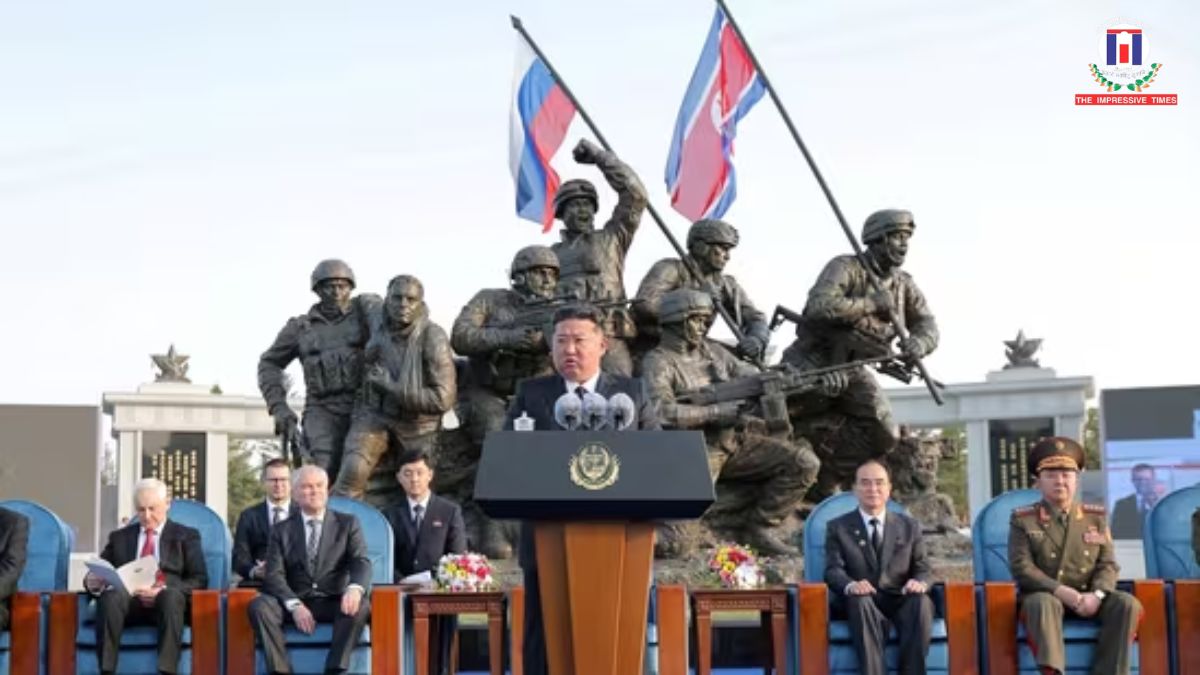
The issue gained prominence after North Korean leader Kim Jong Un reportedly praised troops who chose death over surrender, describing their actions as heroic and tied to the defence of national honour. According to various accounts, including intelligence assessments and testimonies, soldiers may be instructed to avoid capture at any cost, with concerns that being taken prisoner could lead to the disclosure of sensitive military information or be used for propaganda purposes.
Analysts suggest that such directives stem from the country’s rigid ideological framework, where surrender is often viewed as dishonourable. The alleged tactic is also seen as a way to maintain operational secrecy and prevent defections, especially in foreign deployment scenarios.
The development comes amid reports that thousands of North Korean troops have been deployed to support Russian operations in contested regions. While official figures remain unclear, estimates have pointed to significant casualties among these forces. The matter has further drawn scrutiny after claims from Ukrainian sources and a captured soldier indicated that troops were explicitly told not to be taken alive.
Meanwhile, in Pyongyang, a memorial ceremony was recently held to honour soldiers who died during such operations, attended by senior Russian officials including Andrey Belousov. The event underscored strengthening military ties between the two nations following their defence agreement.
The reported use of such tactics has raised serious ethical and humanitarian concerns globally, as it challenges established norms regarding the treatment and conduct of soldiers in armed conflict.











































No Comments: