LG Taranjit Singh Sandhu and CM Rekha Gupta review water, sanitation and flood readiness at Yamuna bank
Joint Ground Check Signals Urgency in Delhi’s Seasonal Preparedness Drive

 The Impressive Times
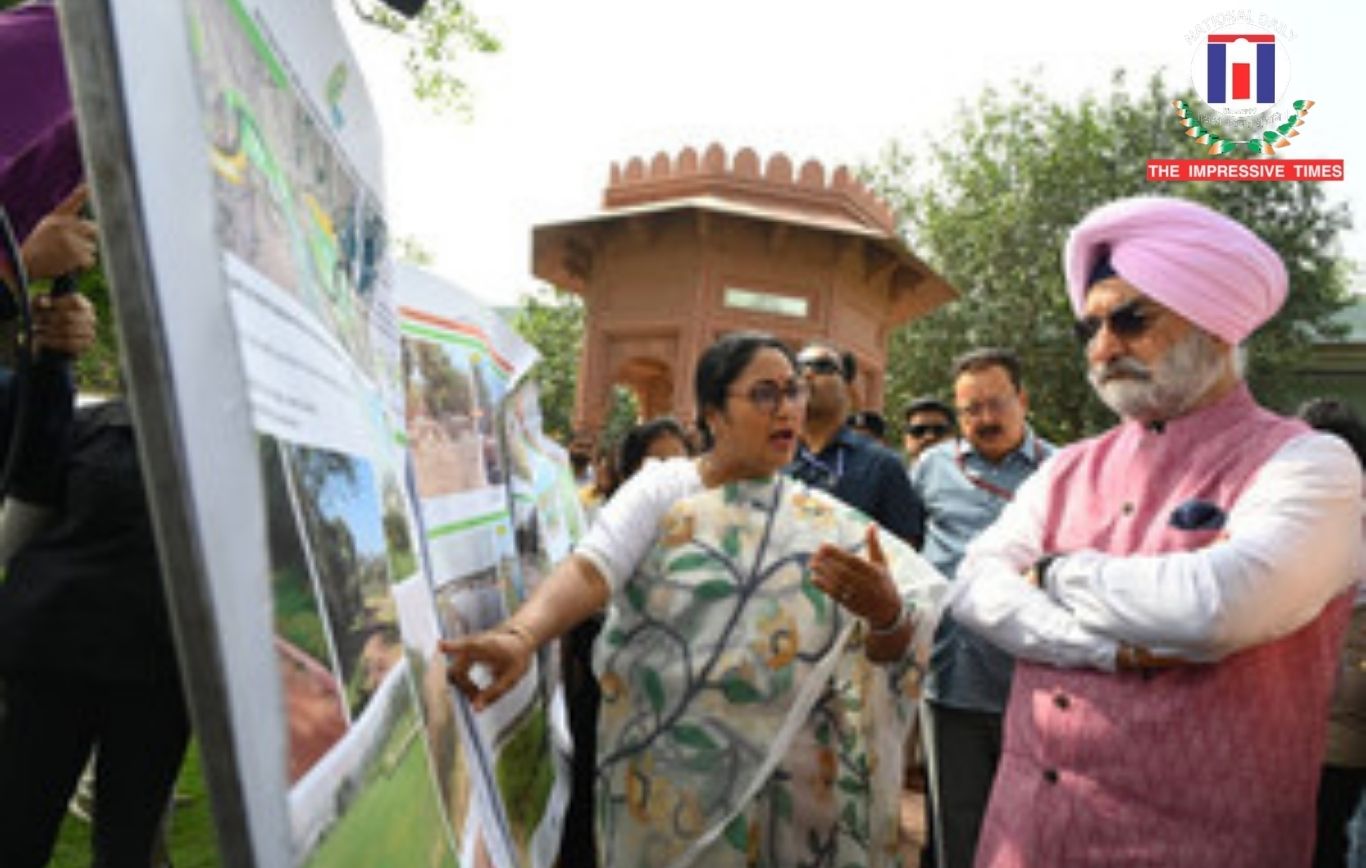
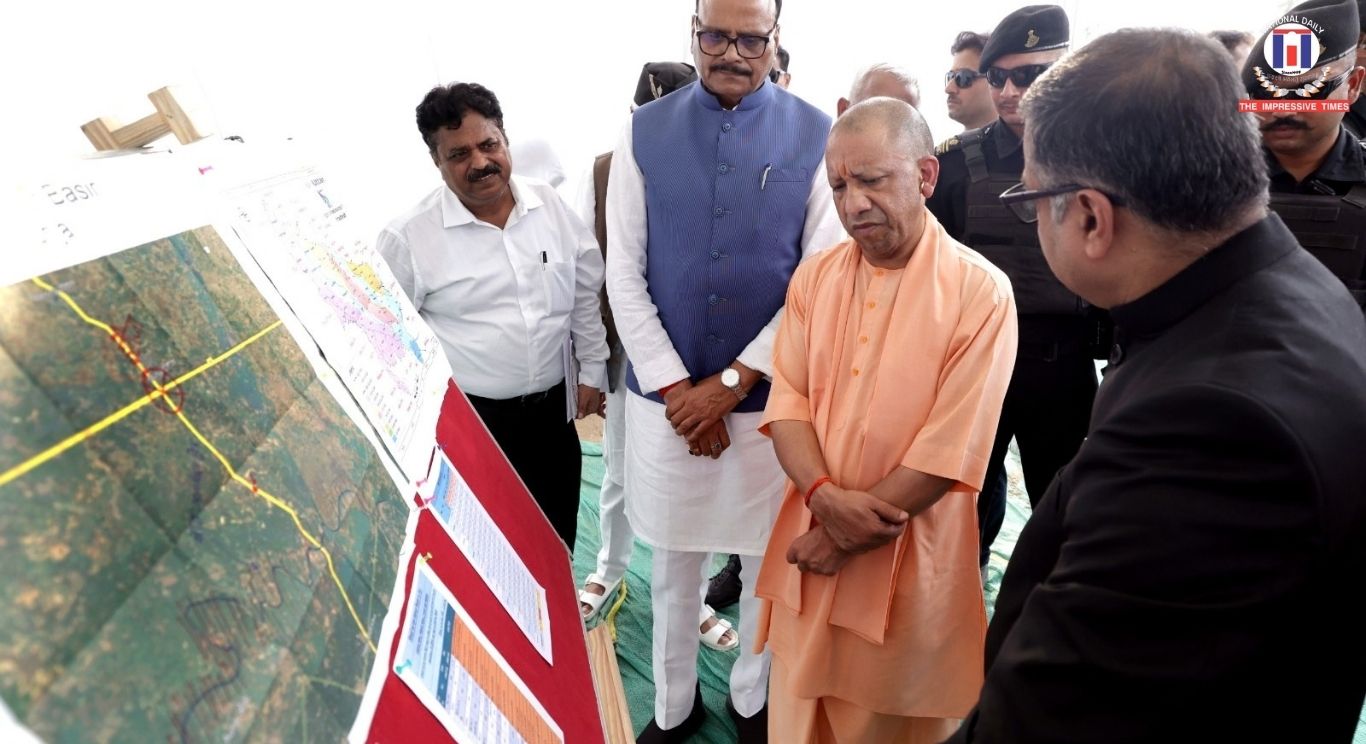
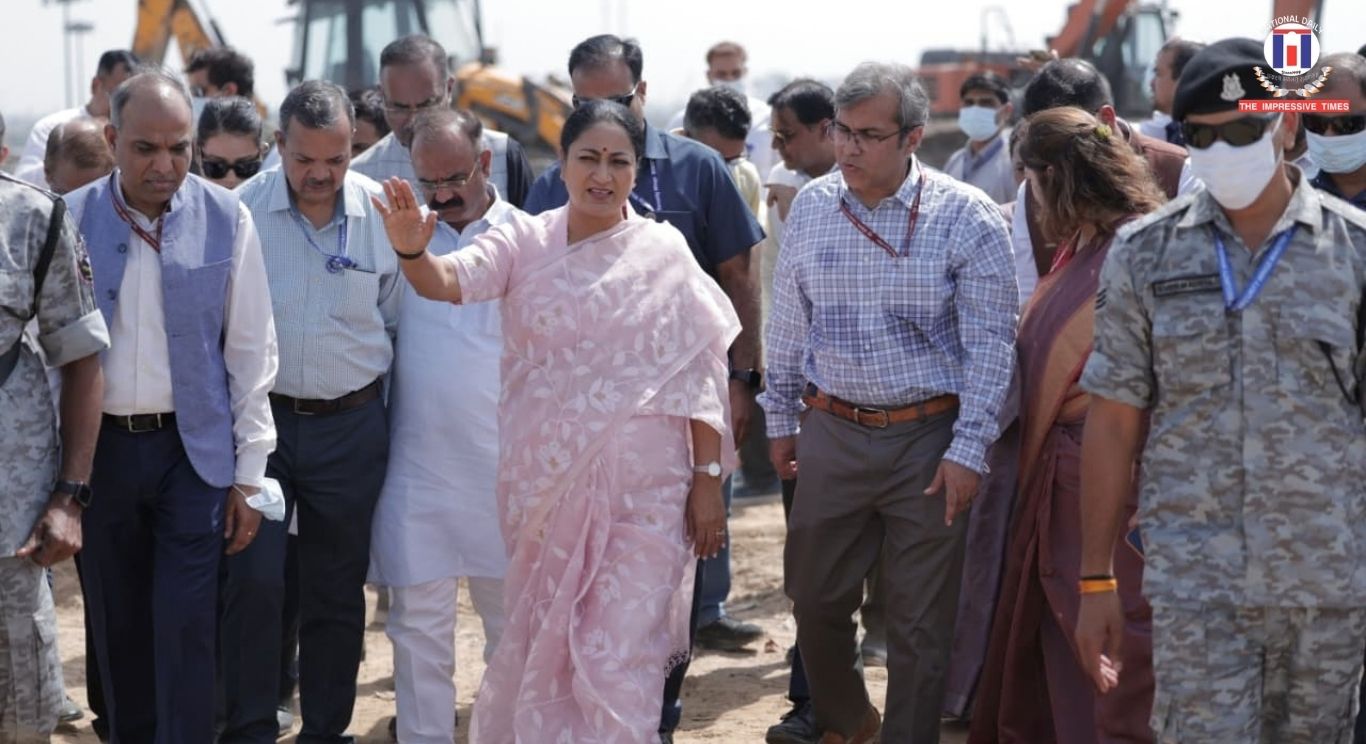
New Delhi : In a significant show of administrative coordination, Delhi’s top leadership carried out an on-ground inspection of preparedness measures ahead of the twin challenges of peak summer and the approaching monsoon season. Lieutenant Governor Taranjit Singh Sandhu and Chief Minister Rekha Gupta jointly visited Vasudev Ghat along the Yamuna, signaling a proactive approach to seasonal governance in the national capital.
The visit comes at a time when Delhi is bracing for rising temperatures, water demand pressures, and the perennial threat of waterlogging during the monsoon months. By choosing to review preparedness at a critical riverbank location, the leadership underscored the importance of early intervention and coordination among departments responsible for water supply, drainage, sanitation, and flood control.
During the inspection, the Lieutenant Governor emphasized the need for a whole-of-government approach, indicating that discussions had been held with the Chief Minister to involve the entire cabinet in overseeing preparedness efforts. This reflects a recognition that the challenges ahead—ranging from water scarcity in summer to urban flooding during monsoon—require not just departmental action but integrated planning and execution.
The Yamuna, which often becomes a focal point during the monsoon due to rising water levels and flooding risks, remains central to Delhi’s seasonal vulnerabilities. Encroachments along floodplains, silt accumulation, and inadequate drainage infrastructure have historically exacerbated the impact of heavy rainfall. The visit to Vasudev Ghat, therefore, is not merely symbolic but tied to the need for sustained monitoring of river conditions and surrounding infrastructure.
Equally pressing are the challenges of summer. With temperatures expected to climb sharply, water demand across residential, commercial, and industrial sectors is set to increase. Ensuring uninterrupted supply, minimizing losses, and addressing inequities in distribution will be key priorities. The leadership’s focus on water management at this stage suggests an intent to mitigate potential crises before they escalate.
Sanitation and cleanliness also featured prominently in the discussions. The transition from summer to monsoon often exposes gaps in waste management systems, leading to clogged drains and increased risk of waterborne diseases. By flagging cleanliness as a priority, the administration appears to be linking environmental management directly with public health outcomes.
The joint visit also carries political and administrative significance. In a city where governance responsibilities are often shared between multiple authorities, visible coordination between the Lieutenant Governor’s office and the elected government can help streamline decision-making and reduce friction. Such alignment becomes particularly crucial during crisis-prone periods when delays or miscommunication can have immediate consequences for residents.
However, inspections and reviews, while important, are only the first step. The real test lies in implementation. Past experiences have shown that despite early warnings and planning, Delhi has struggled with issues such as localized flooding, traffic disruptions, and uneven water supply. Bridging the gap between planning and execution will require sustained monitoring, accountability mechanisms, and citizen engagement.
Technology could play a vital role in this regard. Real-time monitoring of water levels, predictive weather analytics, and data-driven resource allocation can enhance the city’s ability to respond swiftly to emerging challenges. Integrating such tools into the preparedness framework would mark a shift from reactive to anticipatory governance.
At the community level, awareness and participation will also be essential. Residents, market associations, and local bodies must be actively involved in maintaining cleanliness, preventing waste dumping in drains, and reporting issues promptly. Seasonal challenges, after all, are not solely administrative—they are shared civic responsibilities.





























No Comments: