Iran Tightens Grip on Strait of Hormuz, US Faces Strategic Challenge Despite Bold Claims
Intelligence inputs suggest Tehran using oil route as leverage amid ongoing conflict

 The Impressive Times
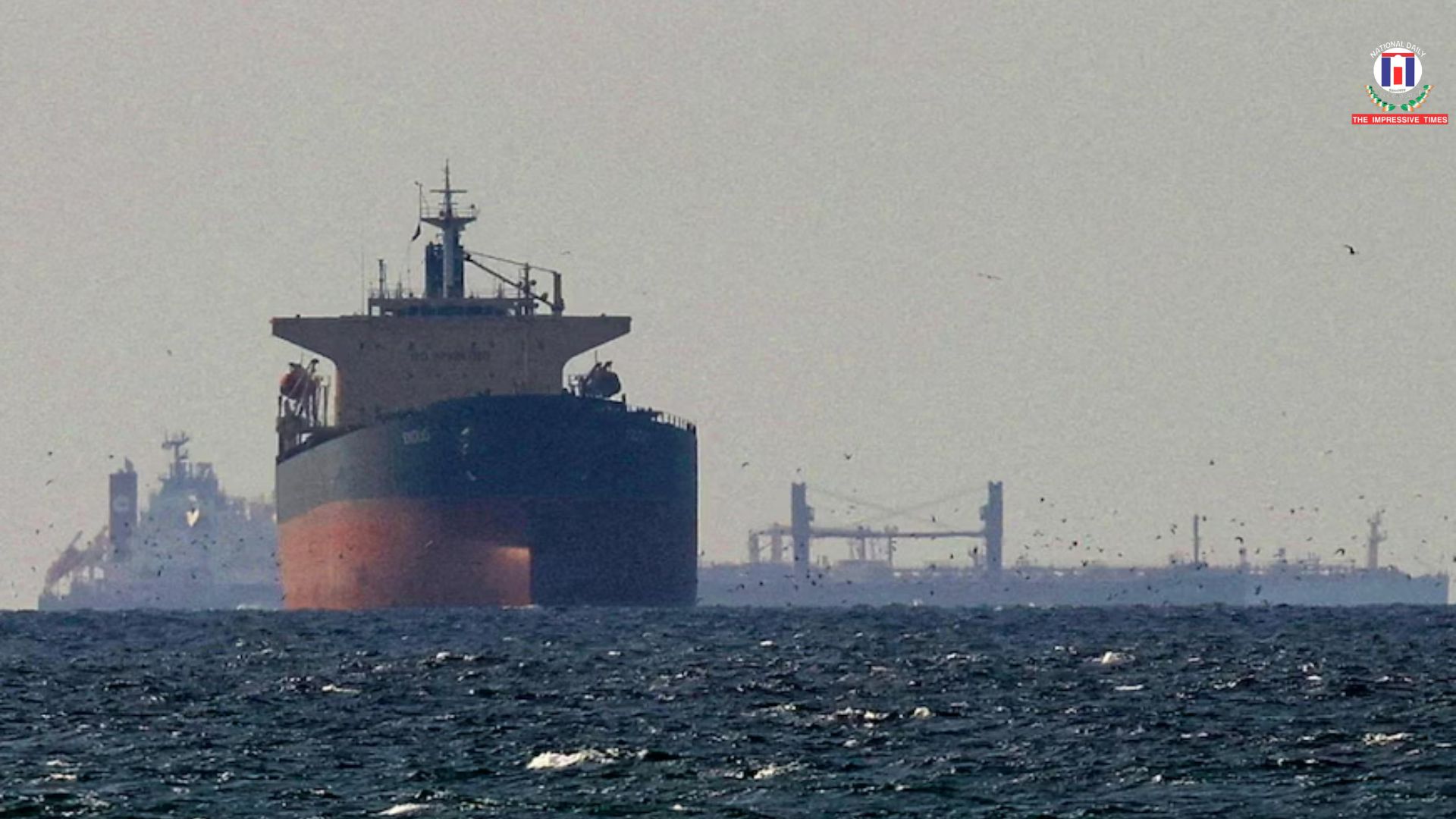
Fresh intelligence assessments indicate that Iran is maintaining firm control over the Strait of Hormuz, using it as a strategic pressure point in its ongoing standoff with the United States.
According to multiple sources, Tehran is unlikely to fully restore normal movement through the crucial maritime corridor anytime soon. Instead, it is carefully managing vessel traffic, allowing selective passage while restricting others to influence global oil supply and prices.
The Strait of Hormuz remains one of the most critical energy routes in the world, carrying a substantial share of global oil and gas shipments. By regulating this flow, Iran has effectively gained leverage not only over the US but also over international markets dependent on uninterrupted energy supplies.
US President Donald Trump has publicly asserted that American forces could ensure the reopening of the route without difficulty. However, defence analysts and geopolitical experts have expressed skepticism, noting that any attempt to forcibly secure the strait could carry significant military risks.
Security concerns in the region have escalated since the conflict intensified earlier this year. Iran’s elite force, the Islamic Revolutionary Guard Corps, is believed to have increased its presence in the area, employing tactics such as surveillance, conditional passage, and potential threats to commercial vessels.
There are also growing concerns that Tehran may use the waterway for long-term economic advantage. Experts suggest that Iran could eventually impose transit fees or other restrictions on ships passing through the strait, turning it into a revenue-generating mechanism post-conflict.
Military experts caution that the geography of the strait makes any large-scale intervention extremely complex. Its narrow channels leave ships highly exposed, and even limited attacks could halt maritime traffic entirely.
As tensions persist, the situation around the Strait of Hormuz continues to impact global oil prices and raises serious questions about energy security and regional stability.












































No Comments: