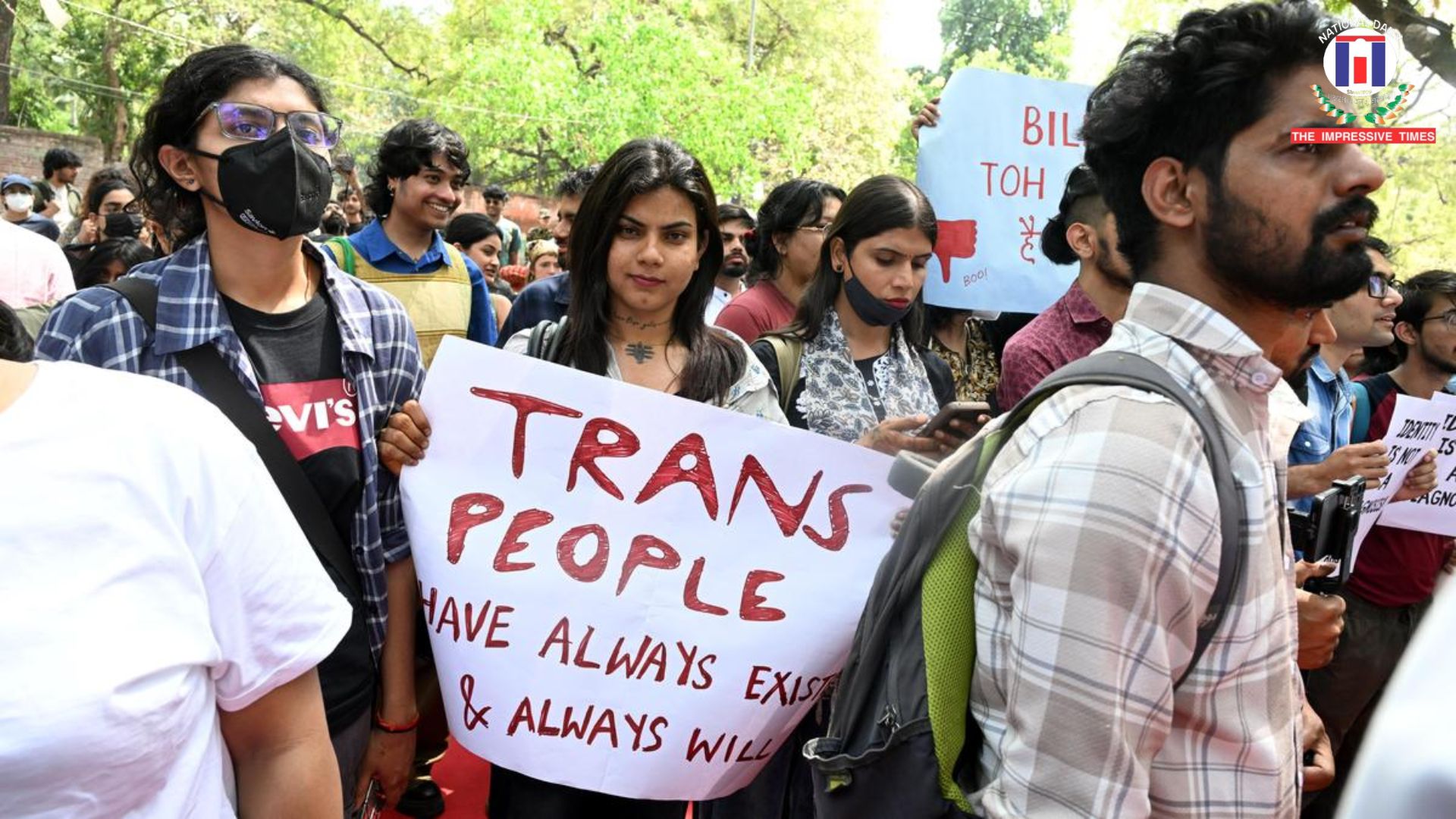
Healthcare professionals across India have expressed serious concerns over the recently introduced Transgender Persons (Protection of Rights) Amendment Act 2026, warning that it could unintentionally restrict access to essential gender-affirming treatments.
According to several doctors and specialists working in the field of transgender healthcare, the revised provisions in the law may interfere with established clinical practices. They argue that certain terms and conditions outlined in the amendment lack clarity and could create confusion regarding what is legally permissible in providing care.
Medical practitioners have pointed out that this ambiguity may lead many doctors and clinics to reconsider offering gender-affirming services altogether. The fear of potential legal repercussions, they say, could discourage professionals from continuing treatments that are currently considered standard and necessary for transgender individuals.
Experts also caution that limiting access to regulated and medically supervised care may have unintended consequences. If individuals are unable to seek help from qualified professionals, there is a risk they could turn to unverified or unsafe procedures, putting their health and lives at greater risk.
The medical community has urged policymakers to engage in wider consultations with healthcare providers and stakeholders before implementing such changes. They emphasize the need for clear guidelines that protect both patients’ rights and doctors’ ability to deliver safe and ethical care.
As the debate continues, calls are growing for a balanced approach that ensures legal safeguards without compromising access to critical healthcare services for the transgender community.
















































No Comments: